
European gas prices have surged sharply following a military escalation targeting critical energy infrastructure in the Middle East, reviving concerns about the stability of global energy supplies.
The European gas benchmark at the Dutch TTF exchange recorded a significant increase, reflecting how sensitive energy markets remain to disruptions in major producing regions.
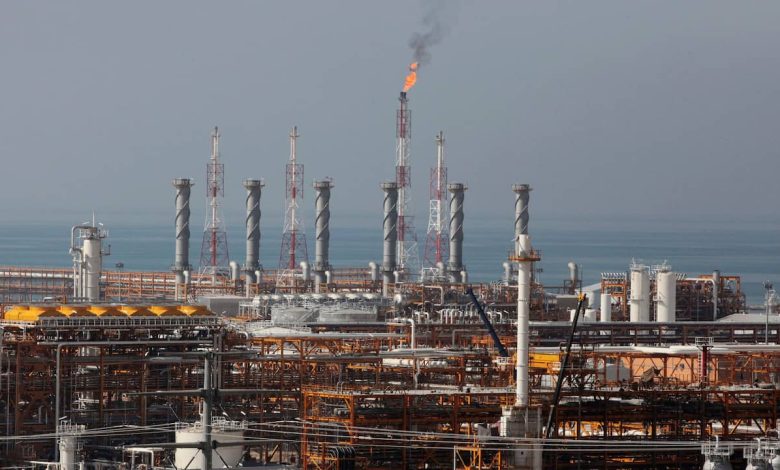
The rise came after attacks targeted gas facilities in Iran, including South Pars, one of the world’s largest natural gas fields. Additional strikes and retaliatory attacks targeted energy infrastructure in Gulf countries, including facilities linked to liquefied natural gas production.
Europe has become increasingly dependent on LNG since the decline in Russian gas supplies, making developments in the Middle East particularly important for European energy markets.
Why the Middle East Matters to Europe’s Energy Supply?
The latest developments highlight how closely connected global energy markets have become.
A disruption in the Gulf region can quickly affect gas prices in Europe, even when the physical disruption to European supplies is not immediate.
Threats to target additional oil and gas facilities have also increased uncertainty among investors, putting further upward pressure on energy prices.
The situation has raised fresh concerns about the security of energy infrastructure in one of the world’s most important energy-producing regions.
Oil Prices Also Rise
Oil prices have also climbed amid growing concerns about potential disruptions to global supplies.
One of the main concerns is the possibility of disruption to shipping through the Strait of Hormuz, a strategically important waterway through which a large share of global energy trade passes.
Any prolonged disruption in the area could have broader consequences for international oil and gas markets.
What It Could Mean for Europe?
Energy analysts say continued military escalation could keep energy prices under pressure in the coming weeks, particularly if disruptions affect LNG supplies from the region.
For Europe, the situation is especially important because the continent has increased its reliance on LNG as it has reduced its dependence on Russian pipeline gas.
That means instability in the Middle East can quickly become a European energy issue, potentially affecting wholesale prices and, over time, the cost of energy for households and businesses.
The latest price movements once again show how events far outside Europe can have a direct impact on the continent’s energy market.