Thieves Dug a Tunnel to Rob a Bank in Antwerp
Belgian authorities arrested a 27-year-old man in connection with a spectacular attempted bank robbery in Antwerp after thieves dug a tunnel toward a BNP Paribas Fortis branch and used the city’s sewer system to reach the bank’s safe deposit room.
The suspect, who was a Belgian citizen of Georgian origin, was arrested at his home in Antwerp the day after the burglary was discovered. An investigating judge formally placed him under arrest on suspicion of aggravated theft and participation in a criminal organization. He was due to appear before the Antwerp court as the investigation continued.
At the time of his arrest, investigators had not disclosed what the man’s exact role was in the robbery, and his lawyer said that he would not comment on the case before the court hearing.
How the Tunnel Led to the Bank?
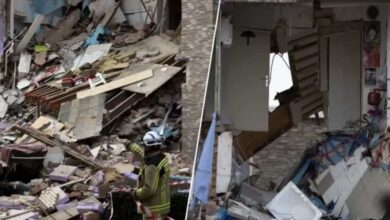
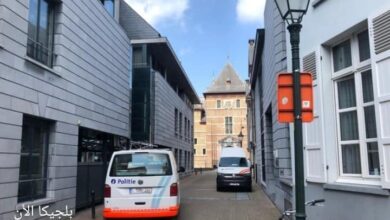
The burglary was discovered on Sunday, February 3, 2019, at a BNP Paribas Fortis branch on Belgiëlei in central Antwerp, where the thieves had managed to enter the safe deposit room without opening the main door from the outside.
The security company received an alarm from the bank and contacted the police, who initially found the safe deposit room apparently secured from the outside. Bank employees later opened the room and discovered a hole in the floor.
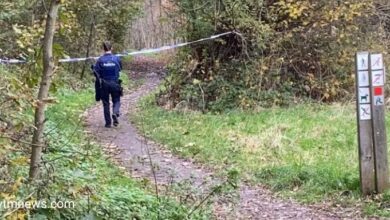
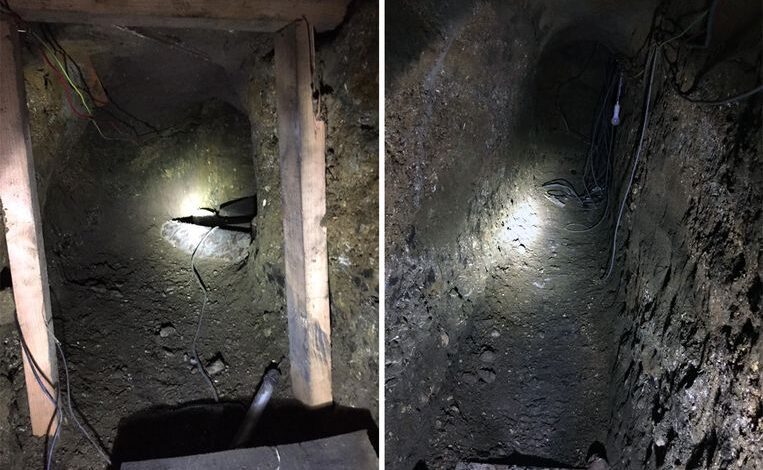
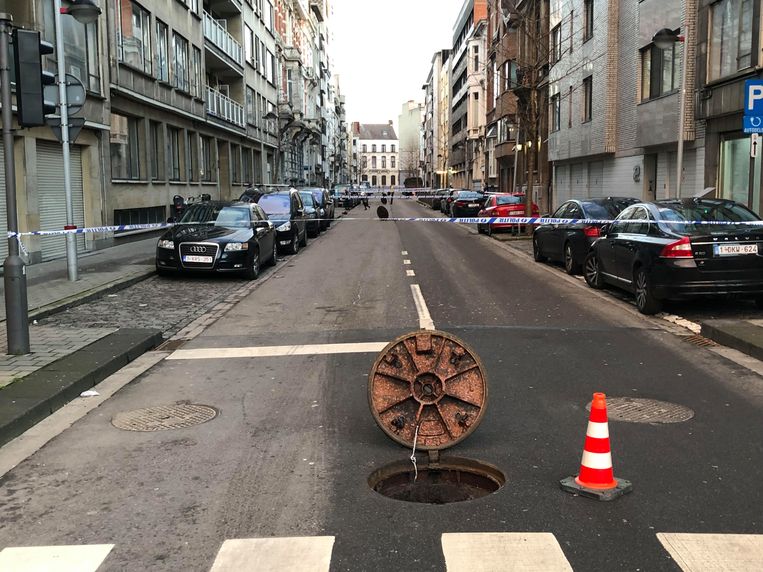
Police quickly determined that the hole was the end of a tunnel that connected to the sewer system beneath Belgiëlei. Investigators then discovered a second tunnel further along the sewer system, leading toward the basement of a building on Nerviërsstraat.
The route allowed the burglars to travel underground from the building near Nerviërsstraat, through the sewer system and eventually into the bank’s safe deposit room.
Police Found Evidence Inside the Tunnel
The investigation was carried out by the Federal Judicial Police under the supervision of the Antwerp public prosecutor’s office, with investigators examining the bank, the tunnels, the sewer system and the building where the underground route began.
One of the important pieces of evidence was a cutting machine that had been left inside the tunnel. Investigators were able to link the equipment to the 27-year-old suspect, helping them identify him and leading to his arrest.
Investigators also arrested other suspects during the investigation, including the suspect’s father and a friend, although the suspects denied taking part in the actual theft. The investigation continued for months as authorities tried to determine the role of each person involved.
27 Safe Deposit Boxes Were Broken Into
At first, authorities reported that between 20 and 30 safe deposit boxes had been broken into. The final investigation established that 27 boxes had been opened.
The bank did not publicly disclose the total value of the stolen property. Customers whose boxes were affected were asked to provide declarations about their contents and later worked with the bank and insurance experts to establish their losses.
The robbery was particularly unusual because the thieves had apparently spent about a week preparing the underground route before reaching the bank’s safe deposit room.
The Case Eventually Went to Court
The investigation continued long after the initial arrests, with five suspects eventually being prosecuted in connection with the spectacular tunnel robbery.
In October 2020, five defendants were sentenced to prison terms of up to five years for their involvement in the burglary. The court heard that the tunnel had been dug about a week before the robbery and that 27 safe deposit boxes had been broken into. The stolen property was never recovered.
The case became one of Antwerp’s most unusual bank robbery investigations because the criminals did not simply break into the bank through a door or window. Instead, they created an underground route that connected a nearby building to the city’s sewer system and then to the bank’s secure safe deposit room.