
Belgians Doubt Bart De Wever on Budget
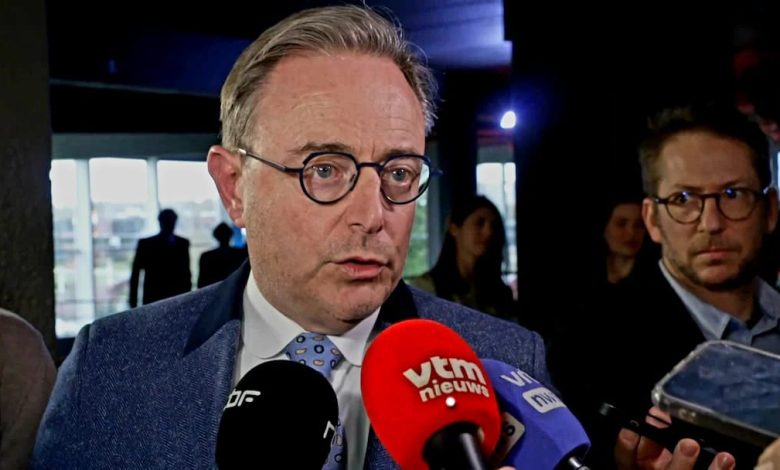
Only 43% of Belgians believe Prime Minister Bart De Wever can solve the country’s growing budget problems, according to a new edition of De Grote Peiling, a major Belgian public opinion poll.
The findings show that Belgium’s budget deficit is becoming a major concern for voters across the political spectrum.
Whether they vote left or right, many Belgians are increasingly worried about the country’s financial situation. De Wever became prime minister with the goal of tackling the problem, but the poll raises questions about how much confidence the public still has in his ability to do so.
One of the clearest messages from the poll is that Belgians are willing to see wealthy people pay more taxes.
However, voters appear much less willing to accept measures that directly affect their own household budgets or important areas of government spending.
The poll suggests that there is support for increasing the tax burden on the wealthy, while measures involving health care costs, value-added tax and defense are more sensitive.
For many voters, the question is not simply whether Belgium needs to reduce its deficit. It is also about who should pay for it. That could make the government’s budget negotiations particularly difficult.
Belgium is facing pressure to put its public finances back on a more sustainable path, but the poll shows that voters have clear limits on the measures they are willing to accept. The results also highlight the political challenge facing De Wever.
Only 43% of Belgians believe he is capable of solving the budget problems. That means a majority of the population does not currently share that confidence.
At the same time, the poll shows that the public is not necessarily rejecting every attempt to raise additional revenue. Instead, there appears to be a strong preference for asking those with greater financial resources to contribute more.
The debate over Belgium’s budget is therefore likely to remain politically sensitive.
The government must find ways to address the country’s financial problems while dealing with voters who are increasingly concerned about the deficit but do not want certain costs passed directly on to them.
For De Wever, the challenge is clear: Belgians want the budget situation addressed, but they also have strong views about where the money should come from.