
Belgium Budget Talks: MR and Les Engagés Reject De Wever’s Draft
Belgium’s budget negotiations have hit an early obstacle after French-speaking coalition parties MR and Les Engagés sharply criticized Prime Minister Bart De Wever’s initial budget proposal.
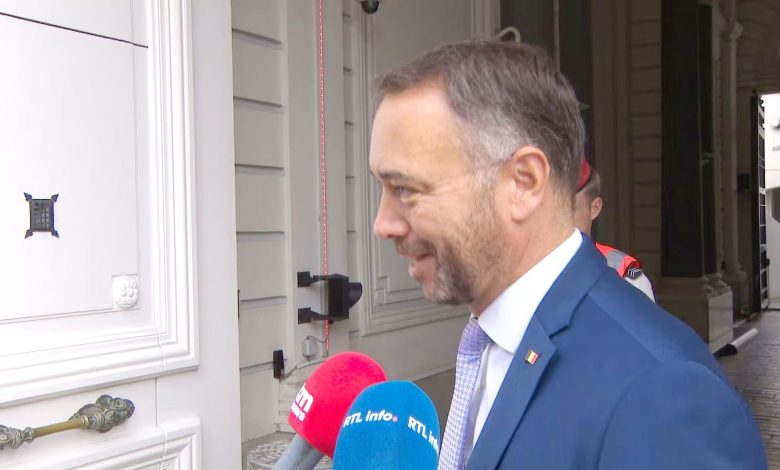
The document, presented by De Wever as the starting point for the budget talks, was described as “unacceptable” by Les Engagés Deputy Prime Minister Maxime Prévot.
“Unbalanced is putting it mildly. In its current form, this document is unacceptable to us,” Prévot said after a meeting of the core cabinet.
He said his party had serious concerns about the proposal but did not go into detail about which measures were causing the disagreement. “We are still far from a balanced result,” Prévot said.
MR Deputy Prime Minister David Clarinval also criticized the proposal, saying it contains “too many new revenues.”
The MR has consistently argued that most of the budget effort should come from reducing spending rather than introducing new taxes or other additional revenues.
“We have to respect the coalition agreement, which provides for one-ninth of the effort to come from new revenues,” Clarinval said. “We are far from that.”
Despite the criticism, both French-speaking deputy prime ministers said they were prepared to continue negotiations.
“We are at the beginning of a process,” Prévot said. “If everyone approaches it constructively, we can get there.”
He also warned that an agreement would be necessary because otherwise the consequences could be serious.
The criticism from both MR and Les Engagés came after the meeting of the federal core cabinet, where the government parties discussed De Wever’s starting proposal for the budget negotiations.
Other voices within the government reportedly described the atmosphere at the meeting as relatively calm. According to that view, the fact that both MR and Les Engagés criticized the proposal could also indicate that the document contains a number of different budgetary choices that now need to be negotiated.
The budget talks are therefore only at an early stage, with the coalition parties still expected to negotiate over spending cuts, new revenues and how the overall budget effort should be divided.