Belgium Gas Bills Could Rise by 25%: Which Households Will Pay More?
Households across Belgium could face significantly higher gas bills in the coming months as European natural gas prices continue to rise ahead of winter.
The increase could hit hardest for families who use gas to heat their homes, especially those with variable energy contracts. Some estimates suggest that gas prices for these customers could increase by around 20% to 25% starting in November 2026.
For an average household, this could mean hundreds of euros in additional costs over the year.
European gas prices reach their highest level since 2022
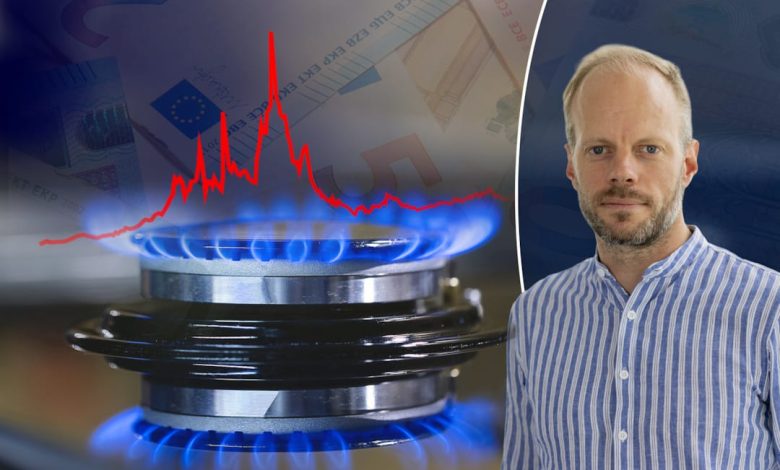
European wholesale gas prices rose sharply toward the end of October.
On October 28, the Dutch TTF benchmark, which is widely used to track European gas prices, briefly reached around 100 euros per megawatt-hour. This was its highest level since the 2022 energy crisis.
According to Reuters, several factors are contributing to the increase, including disruptions to liquefied natural gas (LNG) supplies and geopolitical tensions in the Middle East.
European gas storage levels are also relatively low as the continent approaches the winter heating season.
These developments are putting pressure on energy prices and could eventually affect household bills in Belgium.
Households with variable contracts face the biggest risk
Not all Belgian households will experience the same increase. Customers with fixed-price energy contracts generally continue paying the agreed price throughout their contract period.
However, households with variable contracts are more exposed to changes in the energy market. Their gas prices can increase or decrease depending on market developments and the pricing formula used by their energy supplier.
According to estimates from energy comparison website Mijnenergie.be, variable gas rates could increase by approximately 20% to 25% from November.
The actual increase will depend on the supplier and the terms of each contract. Price adjustments also do not happen at the same time for every customer.
For a household using around 17,000 kilowatt-hours of gas per year, an increase of this size could mean approximately 450 euros in additional annual costs, based on recent market movements.
This is an estimate rather than a guaranteed increase. The final amount will depend on the household’s consumption and energy contract.
Families heating their homes with gas could be hit hardest
Households that rely on gas boilers for heating are particularly exposed to rising prices.
Gas consumption usually increases significantly during the winter months, when heating systems are used more frequently.
Homes with poor insulation may face even higher costs because they require more energy to maintain a comfortable indoor temperature.
Older heating systems can also contribute to higher gas consumption.
This means that larger households and people living in poorly insulated homes could feel the financial impact more strongly, particularly if they have variable-price contracts.
However, not every household will see an immediate increase. The timing depends on the supplier’s pricing formula and the conditions of the individual contract.
How can households reduce their gas bills?
With energy prices rising, Belgian households may want to review their current contracts and compare offers from different suppliers.
Switching providers could help some customers reduce their annual energy costs, depending on their current rates and contract conditions.
In Flanders, consumers can use the V-test, provided by the Flemish Utilities Regulator (Vlaamse Nutsregulator), to compare available energy contracts.
It is also worth remembering that a fixed-price contract is not always the cheapest option.
According to Selectra’s November 2026 price comparison, the cheapest variable gas tariff in Flanders is less expensive than the cheapest fixed-price contract.
However, fixed contracts offer greater price certainty. Households that want protection against future market increases may prefer to pay more in exchange for a stable rate.
What should Belgian households expect next?
Gas prices will depend on developments in the European energy market, international gas supplies and winter demand.
For now, households with variable contracts should pay particular attention to their energy bills and compare available offers before the colder months increase their gas consumption.
Checking your contract now could help you avoid paying more than necessary this winter.