
Who Pays for a 100,000 Euro Company Car in Belgium?
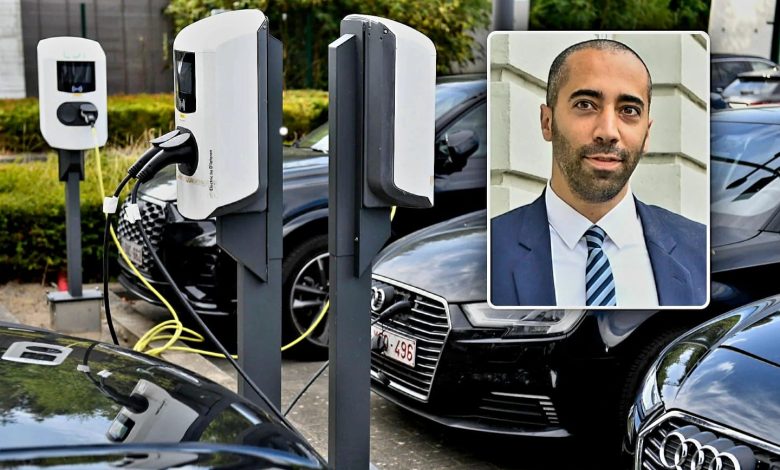
Belgium’s company car system is facing renewed criticism after Sammy Mahdi called for an end to what he described as “excesses” in company cars.
The discussion has raised a key question: who actually pays for an expensive company car worth €100,000, and how much can the Belgian government change the current system?
Company cars are a major part of Belgium’s tax and salary system. Many employees receive a car from their employer as part of their overall compensation package.
For employees, a company car can be financially attractive because the tax treatment is different from receiving the same amount as cash salary. Employers can also benefit from the system when providing cars as part of an employee’s compensation. But not all company cars are the same.
There is a significant difference between a standard company car and a luxury vehicle costing tens of thousands of euros. This is why Mahdi wants to address what he calls the “excesses” within the company car system.
The debate is not simply about whether employees should have company cars. It is also about how much public money is involved through tax benefits and whether those benefits should continue to apply in the same way to very expensive vehicles.
A €100,000 company car, for example, raises questions about how much of its cost is effectively supported through the tax system and how much is paid directly by the employer or employee.
However, the government cannot simply take away company cars from workers overnight.
Company cars are often part of employment contracts and salary packages. Any major change could therefore affect both employers and employees and would need to take existing tax and employment rules into account.
The debate also comes as Belgium continues to examine ways to reform its tax and salary system while encouraging greener forms of transport.
The central question is therefore not only whether Belgium should keep its company car system, but also whether the current tax advantages should remain the same for the most expensive vehicles.
Mahdi’s comments are likely to add further pressure to a debate that has been ongoing for years in Belgium: how to balance employee benefits, taxation, company costs and public finances.