How to Get Belgian Citizenship After 10 Years
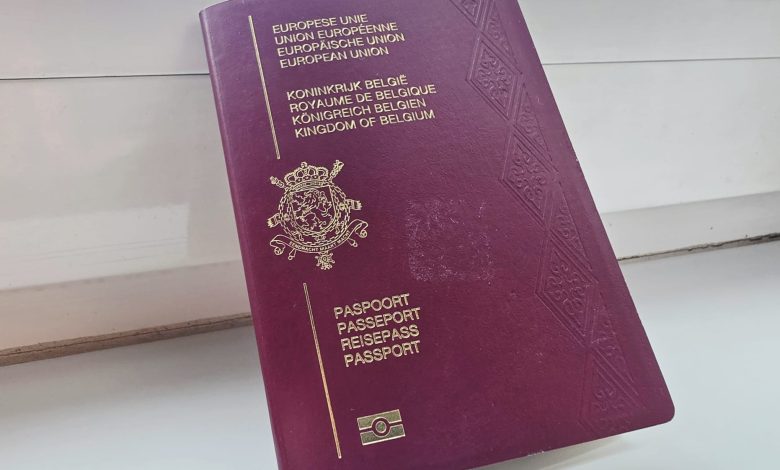
If you have been legally living in Belgium for 10 years, you may be able to apply for Belgian citizenship through a nationality declaration. This route is available to adults who meet specific residence, language, and integration requirements.
The 10-year residence route is different from the more common five-year routes. One important difference is that you generally do not have to prove a specific number of working days or years of employment under the 10-year category. Instead, you must show that you know one of Belgium’s three national languages and that you have taken part in the economic and/or social and cultural life of your local community.
Here is what you need to know before applying.
Who Can Apply for Belgian Citizenship After 10 Years?
To use the 10-year nationality declaration route, you must generally be at least 18 years old and have had your main residence in Belgium legally for the required period.
Your main residence must be in Belgium, and your legal residence must meet the requirements set out in the Belgian Nationality Code. At the time you submit the application, you must have an unlimited right of residence in Belgium. During the period immediately before the application, you must also have had a right of residence for more than three months.
This means that simply having lived in Belgium for a long time is not enough. Your residence history and immigration status must also qualify under the nationality rules.
You Must Prove Knowledge of a Belgian National Language
Applicants using the 10-year route must prove knowledge of one of Belgium’s three national languages:
- Dutch
- French
- German
The language does not necessarily have to be the language spoken in the region where you live. The nationality rules refer to the three national languages of Belgium.
There is also an important point about social integration. If you already have an accepted form of proof of social integration, this can automatically establish the required language knowledge as well.
You Must Show Participation in Your Community
The 10-year route does not require you to prove a specific number of working days.
Instead, you must show that you participate in the life of your host community. Belgian authorities say this can be demonstrated through evidence showing participation in the economic and/or sociocultural life of the community.
This is important because many people assume that 10 years of residence automatically means they qualify for citizenship. It does not.
You still need to provide evidence that you are connected to and participating in the community where you live.
Depending on your situation, useful evidence may include documents showing employment or self-employment, education, professional activities, community involvement, cultural activities, or other forms of participation. The law allows this condition to be proven by different legal means, so the exact documents can vary from one applicant to another.
Your municipality is the best place to confirm which documents it wants to see for your individual case.
Do You Need to Have Worked in Belgium?
One of the biggest differences between the five-year and 10-year routes concerns economic participation.
Under some five-year nationality routes, applicants must prove specific employment or economic activity requirements. For example, one route requires at least 468 working days during the previous five years for employees or certain public-sector workers, while self-employed applicants can qualify through payment of social security contributions for the required period.
The 10-year route does not list this same specific working-day requirement.
Instead, applicants must demonstrate participation in the life of their host community, including economic and/or sociocultural participation.
Therefore, a person who has legally lived in Belgium for the required period does not automatically need to show 468 working days simply because they are applying under the 10-year route.
What About Time Spent Outside Belgium?
Your residence must generally be continuous.
Temporary absences can be allowed, but there are limits. According to Brussels authorities, an absence of less than six months does not normally break continuous residence. A registered absence of more than six months can interrupt the residence period and may require the applicant to restart the calculation of the required period.
There is also an additional limit concerning cumulative registered absences.
The total duration of registered absences, where each individual absence does not exceed six months, should not exceed one-fifth of the residence period required for the nationality application. For a person using the 10-year route, this means the total permitted registered absences can be up to two years, subject to the applicable rules and the way the absences were registered.
This is why it is important to keep your Belgian residence records accurate.
Short trips abroad, such as holidays, should not automatically be confused with an official change of residence. Brussels authorities explain that the continuous-residence rules refer particularly to absences reported to the local authorities, while short stays abroad normally do not have the same effect.
If you have spent long periods outside Belgium, it is a good idea to check your residence history with your municipality before preparing your nationality application.
You Need an Unlimited Right of Residence
Having 10 years of legal residence does not mean that every residence permit is sufficient at the moment you apply.
For a nationality declaration, you must have an unlimited right of residence when you submit the application. The municipality checks the residence conditions as part of the procedure.
This is one reason why applicants should check their residence status before collecting all the other documents.
Where Do You Apply for Belgian Citizenship?
The application is made through the civil registrar at the municipality where you have your main residence.
The municipality examines whether the declaration is complete and admissible. Once the required registration fee has been paid and the file is accepted, the municipality sends the complete file to the relevant authorities, including the public prosecutor, the Immigration Office and State Security for their respective involvement in the procedure.
If the public prosecutor gives a positive opinion, the nationality declaration can be registered.
Belgian Justice also explains that if the public prosecutor does not issue an opinion within four months after the receipt of a complete and admissible declaration, the opinion is considered positive under the applicable procedure.
How Much Does a Belgian Citizenship Application Cost?
A registration fee is required for nationality acquisition procedures, except for certain specific procedures such as some recovery cases.
The amount is indexed annually, so applicants should check the current amount through the Belgian tax authorities or their municipality before paying. The Justice Ministry also notes that additional costs may apply, including translations, copies, stamps and other administrative expenses.
Foreign documents may also need to be legalized and translated into Dutch, French or German, depending on the municipality where the application is submitted. Documents that are not in one of the required languages may need to be translated by a sworn translator.
What Documents May You Need?
The exact list depends on your personal situation and municipality, but nationality applications can involve documents proving your identity, residence, language knowledge and participation in the community.
Foreign documents are particularly important. Belgian authorities state that documents issued by foreign authorities may need legalization, while documents not written in Dutch, French or German may require a sworn translation. Supporting documents for a nationality declaration also generally need to be recent.
Your municipality should provide the exact checklist for your application.
Does 10 Years in Belgium Guarantee Citizenship?
No. Ten years of legal residence can make you eligible to use the 10-year nationality declaration route, but it does not mean citizenship is granted automatically.
You still need to meet the other legal requirements, including the language requirement, participation in your host community and the residence conditions. The application must also go through the required administrative and legal checks.
This distinction is important. The 10-year period is one part of the eligibility requirements, not a guarantee of Belgian citizenship.
Final Checklist Before Applying
If you have been legally living in Belgium for 10 years and want to apply for Belgian citizenship, check these points first:
1. You are at least 18 years old.
2. You have maintained your main residence in Belgium for the required period.
3. Your legal residence has been continuous under the nationality rules.
4. You currently have an unlimited right of residence.
5. You can prove knowledge of Dutch, French or German.
6. You can show participation in the economic and/or sociocultural life of your community.
7. Your absence history does not interrupt the required residence period.
8. You have the required documents and, where necessary, legalized translations.
9. You have checked the current registration fee before submitting the declaration.
10. You have contacted your municipality to confirm the exact documents required for your case.
For many long-term residents, the 10-year route can be particularly relevant because it does not impose the same specific employment-day requirement found in some five-year nationality routes. However, applicants still need to prove language knowledge and participation in their community.
The safest approach is to ask the civil registrar in your municipality to check your residence history and personal situation before submitting the nationality declaration. Belgian nationality rules can depend on the type of residence permit, registration history, absences and the documents available in your file.
Related Articles:
1. How to Lose Belgian Citizenship?
2. Can a Phone Fine Affect Belgian Citizenship in Belgium?
3. Belgian Citizenship: How Much Does It Cost to Apply?