Belgium Introduces New Rules in November 2026: What Changes?
Several new rules take effect in Belgium on November 1, 2026, affecting imported parcels, workers’ take-home pay, midwives’ fees, driving bans and funeral arrangements in Wallonia. Energy-intensive businesses will also receive electricity cost relief, while electric and hydrogen-powered delivery vans will be allowed to carry heavier loads.
Here is what changes and who will be affected.
Imported Parcels From Outside the EU Face an Extra Fee
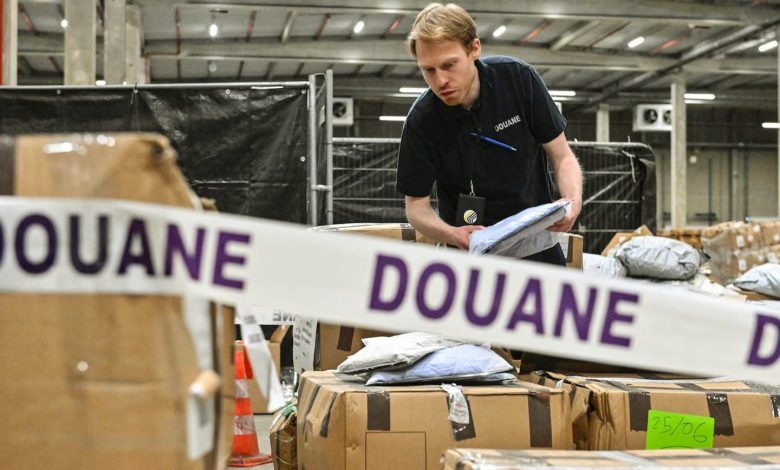
Starting November 1, parcels arriving from outside the European Union will face an additional 2-euro handling fee. The charge applies to all products, regardless of their value, and comes on top of the existing 3-euro import duty on parcels worth up to 150 euros, which took effect in July.
The European Union says the handling fee will help cover the rising cost of customs operations and provide authorities with the resources needed to inspect a growing volume of packages.
Importers are responsible for the fee but may pass the additional cost on to consumers.
Take-Home Pay Will Change for Many Workers

Changes to Belgium’s personal income tax system will affect the amount employers withhold from workers’ salaries starting November 1. Depending on their circumstances, employees may see a small increase or decrease in their monthly take-home pay.
One change increases the tax-free allowance, the portion of income that is not subject to income tax. According to HR services provider Liantis, this adjustment will give workers an additional 8.47 euros in net pay per month.
Other changes will reduce certain tax benefits.
The marital quotient, a tax advantage for married couples and legally cohabiting partners when one partner earns little or no income, is being phased down. In 2026, the maximum amount falls from 13,790 euros to 11,780 euros. Starting in November, this change will reduce the take-home pay of the higher-earning partner in affected households.
Families with dependent children will also see adjustments. The long-term plan is to give every child the same additional tax-free allowance.
From November, the allowance for a first child increases enough to provide an extra 5 euros per month. However, families with more children may lose some of their net pay. Liantis estimates that a parent with two children will lose 1 euro per month, while a parent with five children will lose 18 euros.
Additional tax-free allowances, including those for children under age 3 and single people, will also stop being indexed to inflation starting in November.
The changes to payroll withholding will not affect pensioners or people receiving early retirement benefits in November.
Energy-Intensive Businesses Get Lower Electricity Costs
Around 50 companies with high electricity consumption will qualify for a reduction in electricity grid charges starting November 1.
The measure is intended to lower energy costs for major industrial users and bring their grid charges closer to those paid by competitors in Germany and France.
Companies including BASF and Nyrstar are among the businesses expected to benefit. Eligible companies will pay 50% to 70% less in grid charges, with the discount continuing through 2027. The government intends to incorporate the reduction permanently into grid tariffs afterward.
The measure is expected to cost between 130 million and 160 million euros over 2026 and 2027.
To prevent the costs from being shifted onto households and smaller businesses, the government has also decided to lower electricity excise duties for both businesses and households.
Midwives Can Charge Patients Part of the Cost
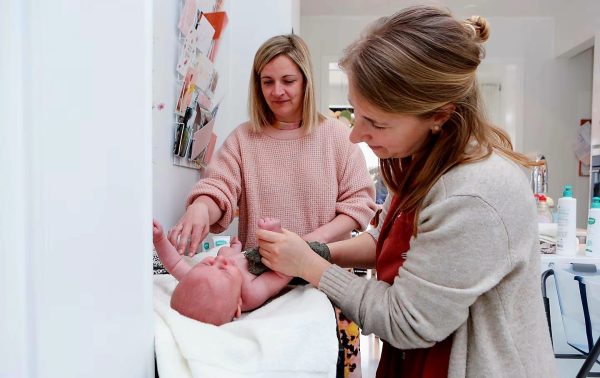
Midwives in Belgium will be allowed to charge patients a personal contribution, known locally as a copayment, for certain services covered by health insurance.
The amount will depend on the service. For example, the contribution can be up to 2.50 euros for postnatal care during the first five days after childbirth and up to 4.25 euros for prenatal care and services provided from the sixth day after birth.
People eligible for increased reimbursement under Belgium’s health insurance system will pay less.
Midwives cannot charge this contribution for injections, childbirth itself or services provided during labor.
Charging the fee is optional. Midwives can choose to collect the full amount, charge only part of it or provide the services without charging patients a copayment.
Judges Must Confiscate Cars From Drivers Who Violate Driving Bans
Drivers who get behind the wheel despite a driving ban will face stricter penalties from November 1.
Under the new law, judges must confiscate and permanently forfeit the vehicle in such cases, except in exceptional circumstances. The legislation was introduced on the initiative of Wouter Raskin, an N-VA member of Belgium’s Federal Parliament.
Once a vehicle is forfeited, it becomes state property. It will generally be sold at public auction, with the proceeds going to the state treasury.
The rule applies only when the vehicle belongs to the driver who violated the ban. A vehicle owned by someone else cannot be confiscated under this provision.
Electric and Hydrogen Delivery Vans Can Carry Heavier Loads
The maximum authorized weight for electric and hydrogen-powered delivery vans will increase on November 1.
Vehicles weighing up to 4.25 metric tons will be treated under the rules that normally apply to conventional delivery vans weighing up to 3.5 metric tons.
The change recognizes that electric and hydrogen-powered vehicles can weigh more because of their batteries and other equipment. The higher weight allowance will allow them to carry payloads comparable to those of conventional vans.
Wallonia Changes Burial Rules
Wallonia will introduce new burial options on November 1, allowing people to be buried in a body bag or alongside the cremated ashes of a deceased pet.
Body bags must be made from biodegradable materials that allow the body to decompose naturally within five years of burial. Burial in a body bag will be permitted in the ground but not in a burial vault.
The new rules will also allow human remains to be buried with the ashes of a pet, provided the animal has been cremated.
Both options have already been permitted in Flanders for some time.
The changes will give families in Wallonia more flexibility in funeral arrangements while establishing conditions for biodegradable burial materials and the handling of pet ashes.