
El Chapo’s Former Bodyguard Gives Shocking Testimony
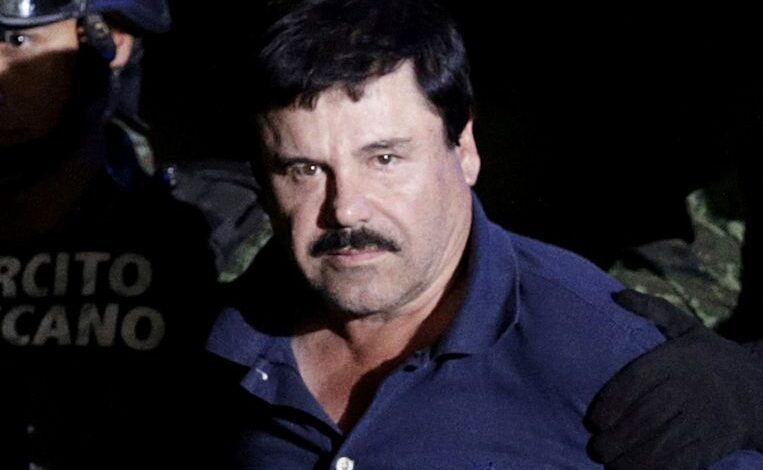
Joaquín Guzmán Loera, better known as “El Chapo,” was one of the most well-known leaders of Mexico’s Sinaloa Cartel, a major criminal organization involved in international drug trafficking. Born on April 4, 1957, Guzmán became one of the most powerful figures in the illegal drug trade before eventually being captured, extradited to the United States and convicted on multiple federal charges.
During his 2018–2019 federal trial in Brooklyn, New York, prosecutors presented testimony from several cooperating witnesses who described the Sinaloa Cartel’s operations and alleged acts of violence connected to Guzmán. The U.S. Department of Justice later said the evidence presented at trial established that Guzmán was a principal leader of the Sinaloa Cartel.
Former El Chapo Bodyguard Testifies in Court
One of the witnesses who testified during the trial was former Guzmán bodyguard Isaias Valdez, who gave the jury an account of alleged violence involving members of rival criminal groups.
According to the testimony reported at the time, Valdez said he personally witnessed Guzmán allegedly attack three men who had left his organization and joined a rival cartel. The men were reportedly considered traitors and were later located by members of Guzmán’s organization.
Valdez described the alleged attack in disturbing detail, saying the men were severely beaten and left unable to move before Guzmán allegedly continued attacking them. The witness also told the court that Guzmán allegedly ordered his men to prepare a pit and a fire after the assault.
According to the testimony, the three men were later shot and their bodies were burned on Guzmán’s orders. These allegations were presented as part of the prosecution’s broader case concerning violence connected to the Sinaloa Cartel.
The testimony was one part of a much larger federal case against Guzmán, in which prosecutors presented evidence from 14 cooperating witnesses, along with intercepted communications, photographs, videos, financial records, weapons and large drug seizures.
El Chapo’s Arrest and Extradition to the U.S.
Guzmán had been arrested in Mexico in February 2014, but he escaped from a maximum-security prison in July 2015 through a tunnel that stretched for roughly a mile, leading to a massive international search for the cartel leader.
Mexican authorities recaptured him in January 2016, and the Mexican government later extradited him to the United States in January 2017 to face federal criminal charges related to his alleged leadership of the Sinaloa Cartel.
His federal trial in Brooklyn began in November 2018 and lasted several months, with prosecutors presenting evidence about the cartel’s drug trafficking operations and alleged violence over a period of decades.
What Happened to El Chapo After the Trial?
The case eventually ended with Guzmán being found guilty on February 12, 2019, of all 10 counts in the federal indictment, including operating a continuing criminal enterprise, drug trafficking, using firearms in connection with drug crimes and participating in a money laundering conspiracy.
On July 17, 2019, a U.S. federal judge sentenced Guzmán to life in prison plus 30 additional years, and the court ordered him to forfeit 12.6 billion dollars. The Justice Department said the evidence at trial established that the Sinaloa Cartel had been responsible for importing and distributing more than one million kilograms of cocaine, marijuana, methamphetamine and heroin in the United States.
Guzmán remains in U.S. federal custody, and his case is now a completed chapter of one of the most significant drug-trafficking prosecutions in the United States, rather than an ongoing trial.