Life in Belgium for Refugees: A Guide to Integration
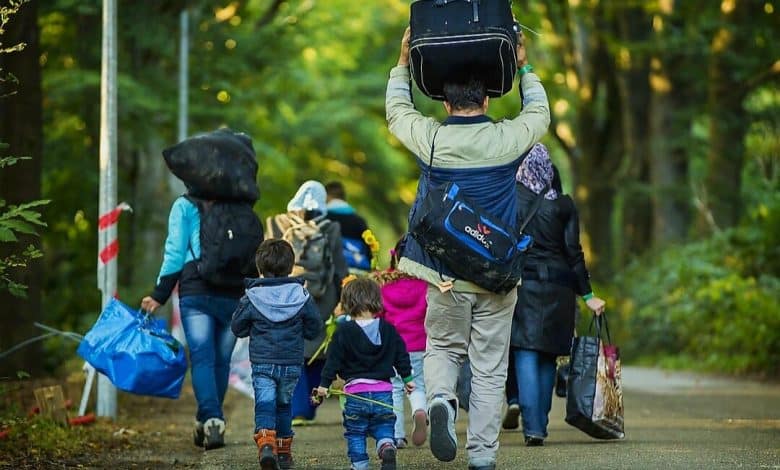
Belgium is known for its stability, safety, and well-developed social system. For many refugees seeking protection and a chance to build a new life, the country can offer important opportunities. But settling in successfully requires a good understanding of Belgium’s legal, social, and economic systems.
This guide covers some of the most important practical aspects of life in Belgium for refugees, along with realistic advice to help you plan your future with confidence.
1. Registration and Legal Residence in Belgium
After arriving in Belgium, registration is one of the first and most important steps because it forms the basis for accessing many rights and services.
- You must register with the relevant immigration authorities after arriving in Belgium.
- After submitting an asylum application, your case will be handled by the authorities responsible for examining asylum requests.
- You may receive temporary documents while you wait for a final decision on your application.
Important tips
- Keep all official documents safe, including your passport, birth certificates, and any documents supporting your application.
- Make sure your residential address is correctly registered because official correspondence is often sent by mail.
- If you are living with your family, make sure all family members are properly registered to make it easier to access social services.
2. Housing and Accommodation
Finding a place to live is one of the biggest priorities for refugees, both while waiting for a decision and after receiving legal residence.
- The Belgian authorities provide reception centers or temporary accommodation for asylum seekers while their applications are being processed.
- After moving into private housing, you may be able to apply for housing-related assistance depending on your social and financial situation.
- Community organizations can provide useful guidance on finding housing and understanding rental agreements.
Practical tips
- If you have children, consider living in an area close to public transportation and schools.
- Always ask for a written rental agreement and avoid relying on verbal agreements.
- Make sure you understand your rights and responsibilities as a tenant.
3. Healthcare
Refugees in Belgium have access to essential healthcare services under the applicable rules.
- After registering, you may be able to join a health insurance fund, known as a Mutuelle or Ziekenfonds.
- Primary care, usually through a family doctor, is an important entry point into the healthcare system.
- Health and psychological support programs are also available for refugees.
Important note
Having a regular family doctor can help you manage healthcare costs and make it easier to see a specialist when necessary.
4. Education and Learning the Local Language
Learning the local language is one of the most important steps toward building a life in Belgian society.
- Dutch is spoken in Flanders.
- French is spoken in Wallonia and is also one of the main languages used in Brussels.
- German is spoken in parts of eastern Belgium.
Education in Belgium
- School attendance is compulsory for children.
- Local authorities can help families register their children in school.
- Free or low-cost language courses may be available to refugees and newcomers.
A useful tip
Start learning the local language as early as possible. It can make everyday communication easier and help with work, education, and integration.
5. Employment and Professional Integration
Once you have the legal right to work, you can enter the Belgian job market.
Sectors with job opportunities include:
- Construction
- Services
- Healthcare
- Industry
- Technology
Tips for finding work in Belgium
- Prepare your resume in the language commonly used in the region where you live.
- Take advantage of vocational training and professional development programs.
- Register with regional employment services and recruitment agencies.
- Look for official job opportunities and be careful with people who offer work through illegal or unreliable arrangements.
6. Daily Life and Public Transportation
Belgium has an extensive public transportation network that includes:
- Trains
- Buses
- Metro and trams in major cities
- Discounted transportation options may be available depending on your region and social situation.
Following local laws and regulations covering transportation, housing, and employment can help you build a more stable life and avoid legal problems.
7. Essential Advice for Refugees in Belgium
- Be patient. Asylum procedures can take time.
- Build connections with local communities and other refugees.
- Take advantage of free resources such as language classes, legal advice, and support centers.
- Learn about your rights and responsibilities through official sources.
- Be careful about scams, and never pay money for unreliable promises of housing or employment.
Life in Belgium as a refugee can come with challenges, but it can also provide an opportunity to build a new future.
Proper registration, learning the local language, finding suitable housing, and gradually entering the job market can all play an important role in creating a stable life and becoming part of Belgian society.
Good planning, relying on official information, and making use of the support available can make the process of settling in Belgium safer and more manageable.