N-VA Calls for More 50 km/h Zones
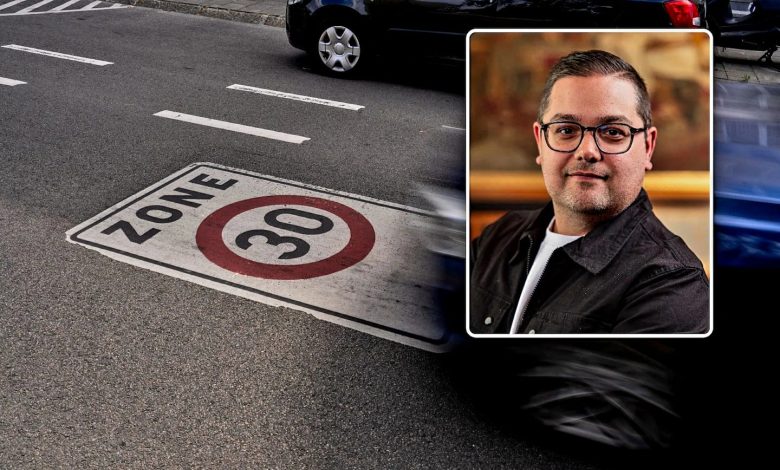
Belgian political party N-VA is calling for local authorities to regularly review existing 30 km/h zones and consider raising the speed limit back to 50 km/h on roads where it can be done safely.
Flemish Parliament member Andy Pieters said that returning some roads to 50 km/h when conditions allow it should be considered part of normal traffic policy. The proposal focuses on reviewing whether existing 30 km/h zones are still appropriate rather than treating the current speed limits as permanent.
N-VA Wants Existing 30 Zones Reviewed
Belgium’s framework for determining speed limits inside built-up areas, introduced in December 2021, is intended to help road authorities decide whether a road should have a 30 km/h or 50 km/h limit. The framework also calls for speed regimes to be monitored and evaluated after they are introduced.
Pieters argues that authorities often examine where speed limits should be reduced, but do not review existing 30 km/h zones often enough to determine whether they are still logical and effective.
He points to several Belgian cities where speed limits on certain roads have recently been raised again to 50 km/h. In Oostende, for example, the city has been reviewing parts of its 30 km/h zones and has planned changes on sections where the road infrastructure is considered suitable for a higher speed limit.
Safety Remains A Key Condition
According to Pieters, a decision to introduce a 30 km/h limit should not necessarily remain in place forever. If traffic measurements and changes to the design of a road show that 50 km/h can once again be considered safe and appropriate, he argues that raising the limit should remain a normal policy option.

Oostende’s approach provides an example of how such a review can work, with the city carrying out measurements and, where necessary, making changes to road infrastructure before changing the speed limit. The city has also stated that safe cycling and pedestrian crossings should be taken into account when speed limits are adjusted.
The discussion therefore centers on whether speed limits should be regularly reassessed based on road design, traffic measurements and safety conditions, rather than automatically keeping every existing 30 km/h zone unchanged.