More People Are Learning Dutch in Belgium
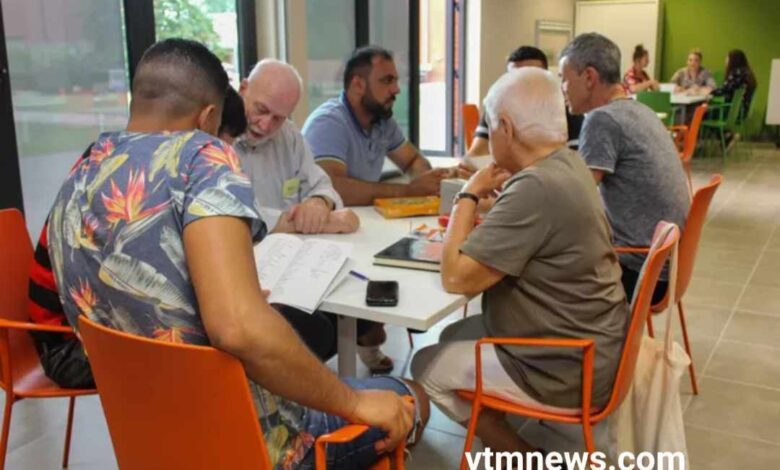
The number of people learning Dutch in Belgium continues to grow, particularly in Flanders, where Dutch is the main language. Adult education centers and other language programs are seeing strong demand from people who want to improve their Dutch for work, education, daily life, and integration.
Recent figures show that tens of thousands of jobseekers are now taking Dutch as a second language through VDAB. The number reached 56,353 in 2025, almost twice the figure recorded a few years earlier. Among them, 46,951 had little knowledge of Dutch when they started, showing how many newcomers and other non-Dutch speakers are entering the language-learning system.
Why Is Demand for Dutch Growing?
There are several reasons why more people are looking for Dutch courses in Belgium. Many newcomers need Dutch to find a job, communicate with colleagues, continue their education, or manage everyday activities more easily.
Dutch is also important for people who want to build a life in Flanders. Official information for international residents and students points to adult education centers, universities, and other language programs as ways to learn Dutch.
The demand is not limited to beginners. Universities and language centers also offer advanced Dutch programs for international students and non-native speakers who need stronger language skills for academic or professional purposes.
More Opportunities to Practice Dutch
Learning Dutch does not happen only inside a classroom. The Flemish Government is currently supporting projects designed to give non-Dutch speakers more opportunities to practice the language outside formal lessons.
This year, the government allocated 4.27 million euros to strengthen Dutch-language practice opportunities through the integration agencies, the cities of Antwerp and Ghent, and Huis van het Nederlands Brussel. The program focuses on filling gaps in the existing offer and creating more opportunities for different groups to practice Dutch.
The program also addresses demand for practice opportunities during evenings, weekends, and school holidays, as well as more practical activities connected to everyday life and the workplace.
Dutch Teachers Face Growing Demand
The increase in the number of people learning Dutch also creates a greater need for teachers and language courses. Adult education centers offer Dutch courses at different levels, including programs designed for people who are learning Dutch as a second language.
Some centers allow students to attend classes during the day or evening and offer different types of courses depending on their goals, such as improving conversation skills, preparing for work, or continuing their studies.
For people who need more personalized help, working with a Dutch language tutor can provide additional practice and allow students to focus on areas where they need the most improvement.
Dutch Is Important for Work and Integration
The growing number of people learning Dutch is also closely connected to the Belgian labor market. For jobseekers in Flanders, Dutch skills can be an important part of preparing for employment and communicating at work.
The latest VDAB figures show that the number of jobseekers taking Dutch as a second language has increased significantly, while the number of participants successfully completing these courses has also risen.
For many newcomers, learning Dutch is therefore not simply about studying another language. It can help them communicate with employers, colleagues, schools, government services, and people in their local communities.
The Future of Dutch Language Learning
The continued demand for Dutch courses shows that language education remains an important part of life in Flanders and Brussels. Government-supported programs are now focusing not only on classroom education but also on giving people more chances to practice Dutch in real-life situations.
As more international residents, students, workers, and jobseekers learn Dutch, the need for accessible courses, qualified teachers, and practical opportunities to use the language is likely to remain important.
For anyone starting to learn Dutch, a Dutch language tutor can also be useful for improving pronunciation, practicing conversations, and building confidence before using Dutch at work or in everyday situations.