
Mechelen Mother Left Without Electricity After Refusing Digital Meter
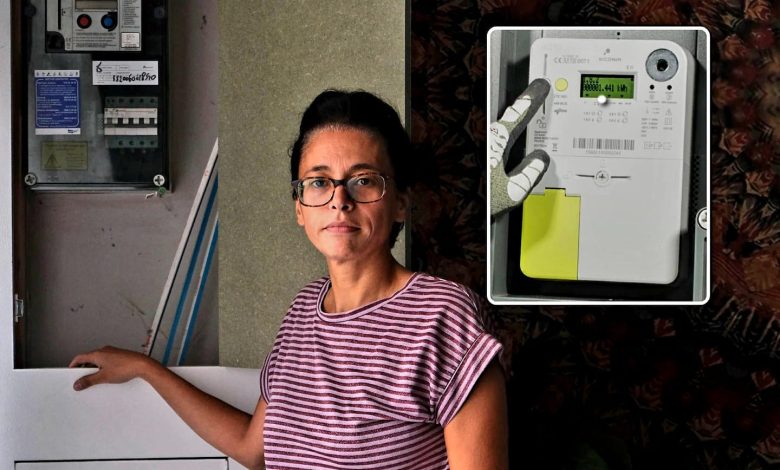
A 51-year-old woman from Mechelen is living without electricity with her children after a dispute with Fluvius over the installation of a digital electricity meter.
Tissam Amrani says she has refused to allow the digital meter to be installed because she is deeply concerned about electromagnetic radiation. According to her, she experiences severe symptoms when she is exposed to what she describes as excessive radiation.
“When there is too much radiation, it feels as if my brain is being crushed,” Amrani said, describing the physical effects she says she experiences.
The dispute has now gone far beyond a disagreement over a utility meter. Amrani and her children are currently without electricity, turning a debate about technology and health concerns into a serious problem for the family.
Why does she refuse the digital meter?
Digital electricity meters have been introduced across Flanders as replacements for older analog meters. Unlike traditional meters, digital meters can automatically transmit consumption data and allow grid operators to read meter information remotely.
Fluvius, the Flemish electricity and gas distribution system operator, has been carrying out the large-scale rollout for years.
The company says digital meters provide several advantages, including remote meter readings and better information about household energy use. They are also intended to help make the electricity grid more flexible as households increasingly use solar panels, heat pumps, electric vehicles and other energy-consuming technologies. But not every household has welcomed the change.
Some residents have raised concerns about privacy, radiation, technology and the loss of the traditional meter. Amrani’s case is particularly striking because her refusal has resulted in her family being left without power.
Radiation is at the center of the dispute
Amrani’s main concern is electromagnetic radiation from the digital meter and its communication technology.
Her claims should be distinguished from established scientific findings. Fluvius has previously stated in similar disputes that the radiation produced by its digital meters is very limited and remains well below applicable European exposure limits.
The question of whether a person experiences symptoms from electromagnetic exposure can also become complicated because personal symptoms and scientific evidence are not always interpreted in the same way.
That distinction is important in cases like Amrani’s. Her reported experiences are real to her, but they do not by themselves establish that the digital meter is medically responsible for those symptoms.
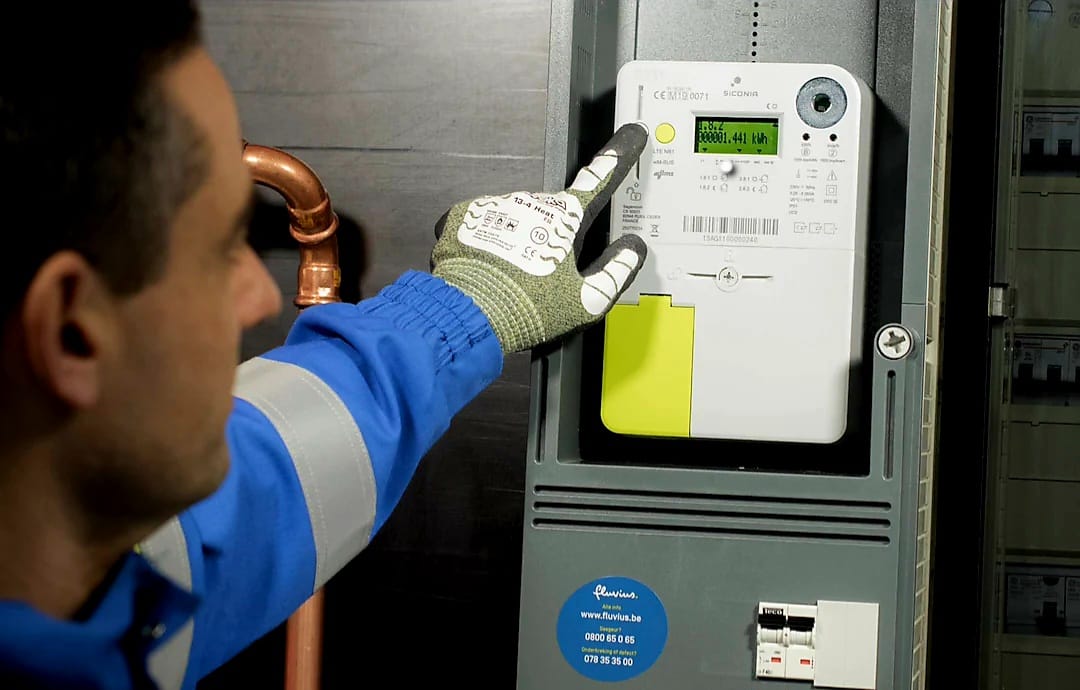
Digital meters are already widespread in Flanders
The controversy is taking place against the backdrop of a massive regional transition.
Fluvius began the large-scale rollout of digital energy meters in 2019. The original plan called for millions of households to receive the new technology over several years.
The rollout has not always gone smoothly. In 2024, reports indicated that Fluvius was behind its original target for installing digital meters across Flanders. The company pointed to several factors, including the COVID-19 pandemic, supply problems and customers refusing access to their homes.
By 2026, the rollout had continued and around 80 percent of addresses in Flanders were reported to have a digital meter, with the remaining households expected to be converted over the following years.
What happens when someone refuses?
Refusing a digital meter is not simply treated as an ordinary consumer choice.
Fluvius has previously taken legal steps against people who repeatedly refused installation. In one documented case, thousands of Flemish residents received registered letters or final notices after refusing appointments, while hundreds of persistent cases were referred to the company’s legal department.
Another recent case involved a 67-year-old man who repeatedly refused a digital meter because of concerns about radiation. Fluvius brought the matter to court, and the judge ruled against him. Fluvius had also offered a wired alternative designed to keep the communication equipment outside the home, although the man argued that the solution still involved a transmitting antenna.
That case illustrates the difficult legal and practical position faced by people who object to the technology.
A wider debate about technology and personal choice
The controversy is not unique to one household.
Digital meters are becoming an increasingly important part of modern electricity networks. They allow energy consumption to be measured remotely and can provide more detailed information about when electricity is being used.
That information can become increasingly valuable as Belgium moves toward a more electrified energy system. Electric cars, heat pumps, home batteries and solar panels all place new demands on the electricity grid.
At the same time, some households remain uncomfortable with the technology or have concerns about how data is collected and transmitted.
For people like Amrani, the issue is not simply about convenience or energy bills. It is about whether they feel safe having the technology inside their home.
The human cost of the dispute
For Amrani and her children, however, the debate has a very practical consequence: they are living without electricity.
That can affect almost every part of daily life, from lighting and refrigeration to cooking, heating and charging electronic devices.
The situation also raises a broader question for other households in Flanders: what happens when a resident refuses a technology that the grid operator considers necessary?
As digital meters become standard across the region, cases like Amrani’s show that the transition is not only a technical project. It can also involve health concerns, legal disputes, household rights and difficult questions about how far a utility company can go when a customer refuses installation.
For now, Amrani remains opposed to the digital meter, while Fluvius continues its rollout across Flanders. Her case highlights the tension between a rapidly changing electricity system and residents who are not comfortable with the technology being installed in their homes.