Belgium Unemployment Reform Drives More People to Welfare
Belgium is facing a major shift in its social welfare system as the number of people receiving social integration income overtakes the number of recipients of unemployment benefits for the first time in the country’s history, according to figures reported in Belgian media.
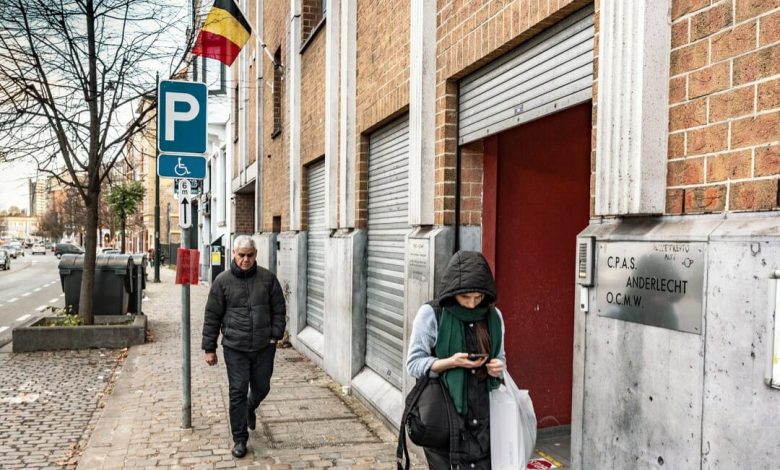
The change comes as Prime Minister Bart De Wever’s government moves ahead with reforms that limit unemployment benefits to a maximum of two years. As more people lose their unemployment payments, some are turning to local public social welfare centers, known as OCMWs, for financial support.
Belgium’s federal administration responsible for social integration expects the number of people receiving this assistance to continue rising in the coming months.
Unemployment Benefits Fall as Social Assistance Rises
The figures point to a significant change in Belgium’s welfare system. In August 2025, around 304,000 people were fully unemployed and receiving unemployment benefits, while approximately 166,000 people received social integration income.
By August 2026, the number of fully unemployed benefit recipients had fallen to around 185,500. Meanwhile, the number of people receiving social integration income had exceeded 200,000 in April and remained above that level.
The figures show that the decline in unemployment benefit recipients has coincided with a growing number of people relying on social assistance.
More Than 57,000 People Turn to Social Assistance
Since January 2026, around 133,000 people have lost their unemployment benefits under the new reforms.
Of those, more than 57,000 have moved onto social integration income instead. That means roughly 43% of those who lost their unemployment benefits subsequently received this form of social assistance.
Rather than leaving the welfare system entirely, many people have shifted from one type of government support to another. However, the figures alone do not establish whether the reforms have helped more people find jobs.
Different Impacts Across Belgium
The transition from unemployment benefits to social assistance has varied across the country’s three regions.
In Flanders, approximately 35,000 people lost their unemployment benefits, with around one-third subsequently receiving social integration income.
In Brussels and Wallonia, nearly 100,000 people lost their unemployment benefits, and roughly half turned to social welfare centers for support.
These differences highlight the uneven regional impact of the reforms and the pressure that rising demand for social assistance could place on local welfare services.
Will the Reforms Lead to More Jobs?
The government’s decision to limit the duration of unemployment benefits is intended to change how the system operates. However, the latest figures raise questions about what happens to people once their payments end.
For those unable to find work before their benefits expire, social integration income can become an alternative source of financial support, provided they meet the eligibility requirements.
The rise in social assistance recipients does not, by itself, prove that the reforms have failed. A fuller assessment would require data on employment outcomes, the reasons people lost their benefits, and how many eventually returned to work.
For Belgium, the central question is whether the new rules will help more people enter the labor market or whether they will mainly shift the financial burden from the federal unemployment system to local social welfare services.
The coming months should provide a clearer picture of how the reforms are affecting jobseekers, municipal budgets and Belgium’s wider social safety net.