
Belgium’s Name Change Law Raises Questions About Criminal Records
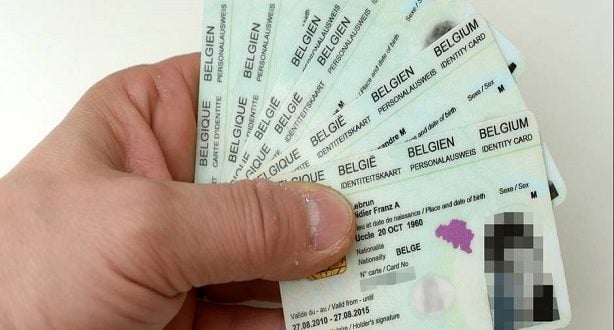
Belgium’s decision to simplify the process for changing first names has raised concerns about whether criminal records and other official databases can always keep up with changes in a person’s identity, particularly after a sharp increase in name-change requests following a legal reform that took effect on August 1, 2018.
The reform transferred responsibility for changing first names from the federal government to local municipalities, allowing eligible applicants to submit their requests directly to their municipality instead of going through the former federal procedure. The Belgian Justice Ministry says the procedure can take up to three months and that the new first name becomes legally effective when the official name-change record is created.
Why Criminal Records Became a Concern
The issue attracted attention because investigators and Belgian media reported concerns that changes to a person’s official name could create temporary problems when different government databases were not updated at exactly the same time.
Under the system, a person’s new name is recorded in the civil-status system and used for new identity documents, but concerns were raised about whether other databases used by authorities, including systems containing information about criminal records, could immediately connect the new identity information with the person’s previous name.
That created a potential risk that someone who changed their name could appear under a different identity in a database that had not yet been fully synchronized, although this did not mean that every person who changed a name could simply erase or hide a criminal record.
The distinction is important because Belgium’s current rules specifically include safeguards for name changes, and the Justice Ministry states that an applicant’s criminal record is examined during the procedure for changing a family name.
How Belgium’s Name Change Rules Work Today?
The rules have also changed since the original controversy. For first-name changes, Belgian citizens, as well as recognized refugees and stateless people covered by the rules, can apply through their municipality, which is responsible for handling the procedure. The requested first name cannot create confusion or cause harm to the applicant or another person.
Family-name changes are different and normally remain subject to stricter requirements. Applicants generally have to demonstrate serious reasons supported by objective evidence, and the requested name cannot create confusion or harm the applicant or another person. The federal Justice Ministry also requires a criminal-record extract as part of the normal family-name change procedure.
Since July 1, 2024, Belgium has also introduced a simplified municipal procedure for certain adults who want to take the family name of their father, mother, adoptive parent, or a combination of those names, with the municipality checking the applicant’s criminal record as part of the process.
Can Changing Your Name Erase a Criminal Record?
Changing a name does not legally erase a person’s criminal history. A name change changes the identity information used on official documents, but it does not remove the underlying legal records connected to the person.
The concern raised around the 2018 reform was therefore mainly about the speed and coordination of database updates rather than a legal mechanism allowing criminals to erase their records.
Belgian authorities have since maintained procedures designed to connect civil-status changes with official records, while the Justice Ministry’s current rules make clear that criminal records can be checked as part of name-change procedures.
What Changed After August 2018?
The August 1, 2018 reform was designed to make first-name changes faster and easier by moving the process to municipalities. Before the reform, applications were handled at the federal level, while the new system allowed people to deal directly with their local administration.
The reform therefore made name changes more accessible, but it also highlighted the importance of keeping Belgium’s different government databases synchronized whenever a person’s official identity information changes.
Today, changing a first name in Belgium remains possible through the municipality, while family-name changes are subject to separate rules and, in many cases, a more detailed review. The key point is that a legal name change does not give a person a new criminal history, and official procedures include checks intended to prevent identity changes from being used to escape existing legal records.