Electric Cars in France: Prices, Sales and Guide 2026
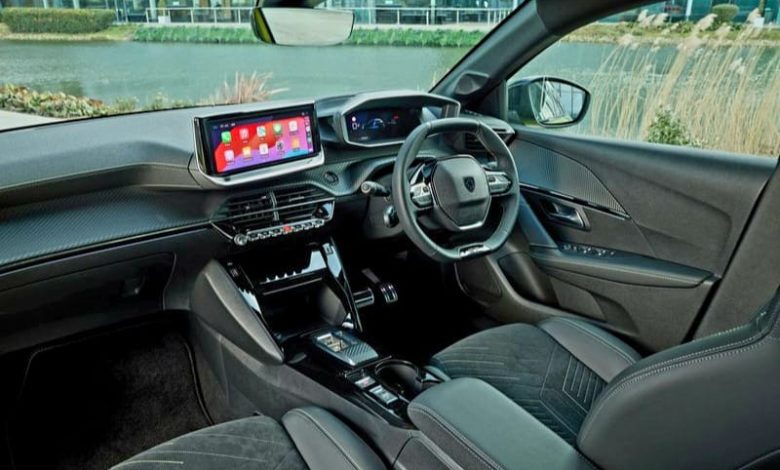
Electric cars are becoming a major part of the French car market. In 2026, France is seeing a sharp increase in electric vehicle registrations, while the charging network continues to expand across the country. At the same time, government incentives have changed, low-emission zones are affecting drivers in major cities, and buyers have more electric models to choose from than ever before.
So, if you are thinking about buying an electric car in France, moving to France with an EV, or simply want to understand the French electric car market, there are several things worth knowing.
How Popular Are Electric Cars in France?
Electric cars have moved from a relatively small part of the French market to a significant share of new car sales.
In September 2026, fully electric cars reached a record 42% share of new passenger-car registrations in France, with more than 75,000 electric cars registered during the month. Electric registrations were up 86% compared with September 2025.
The increase was also visible earlier in the year.
In July 2026, electric cars represented 35.1% of new car sales, according to France’s official statistics service.
This means electric cars are no longer a niche choice in France. They are becoming a normal option for people buying a new vehicle.
Why Are Electric Cars Becoming More Popular in France?
There are several reasons for the rapid growth. One is the wider choice of vehicles. French and international manufacturers now offer electric city cars, hatchbacks, family cars, SUVs and larger vehicles.
The charging network is also expanding. At the end of August 2026, France had **200,926 public charging points**, an increase of 13% compared with the previous year.
Another factor is the country’s electricity mix. France produces a large amount of low-carbon electricity, which is one reason the environmental impact of an electric car can be lower than that of a comparable petrol or diesel vehicle over its full life cycle. The French government says a battery-electric car produces around five times less greenhouse gas emissions over its life cycle than a comparable combustion vehicle under average French conditions.
What Are the Best Electric Cars in France?
There is no single electric car that is right for every driver.
The best choice depends on where you live, how far you drive and how often you can charge at home.
Renault 5 E-Tech Electric
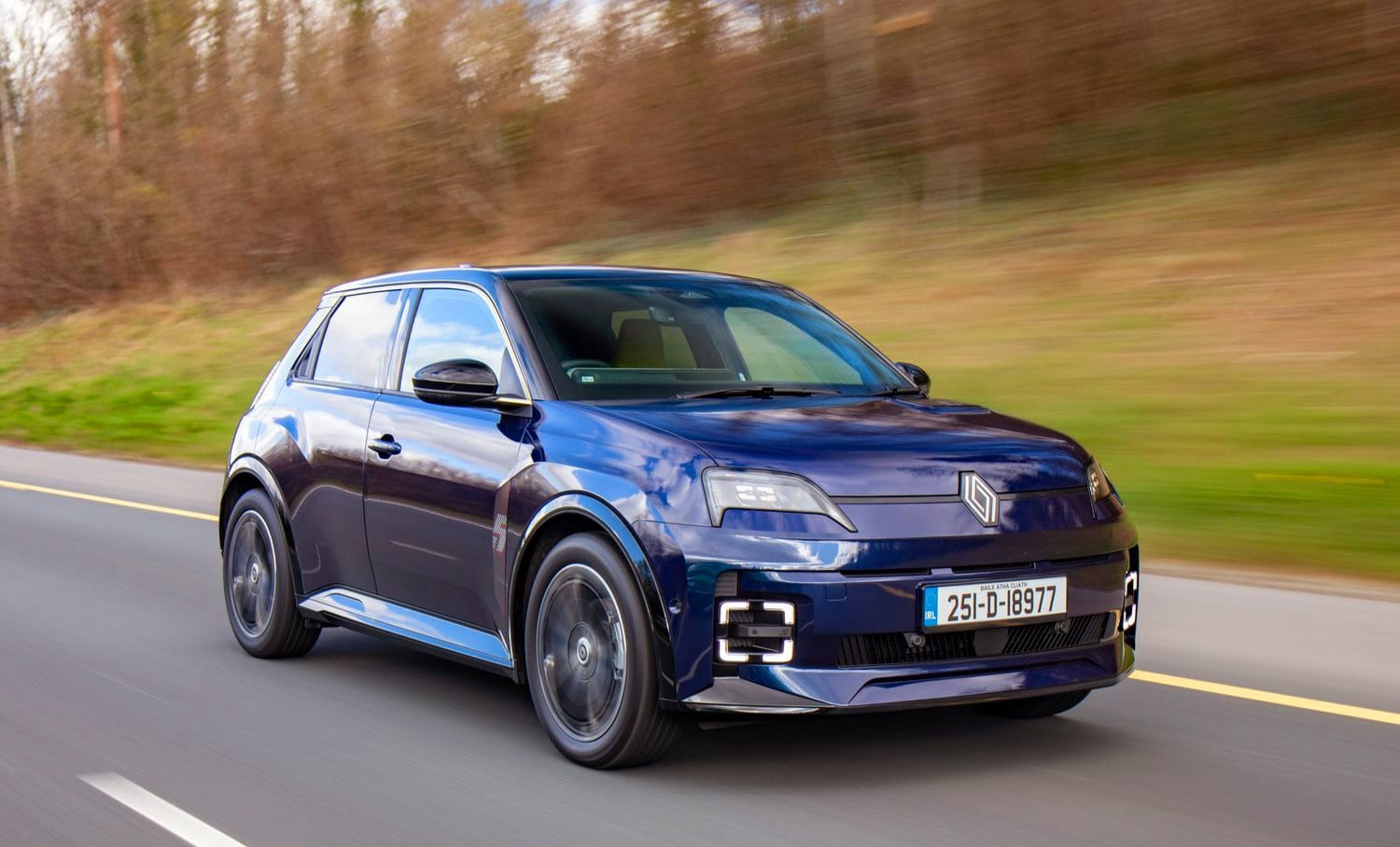
The Renault 5 E-Tech Electric is one of the most visible examples of the new generation of French electric cars.
Its compact size makes it particularly interesting for city driving, while its design is inspired by the original Renault 5.
For people looking for a smaller electric car for daily driving, it is one of the models worth considering in France.
Renault 4 E-Tech Electric
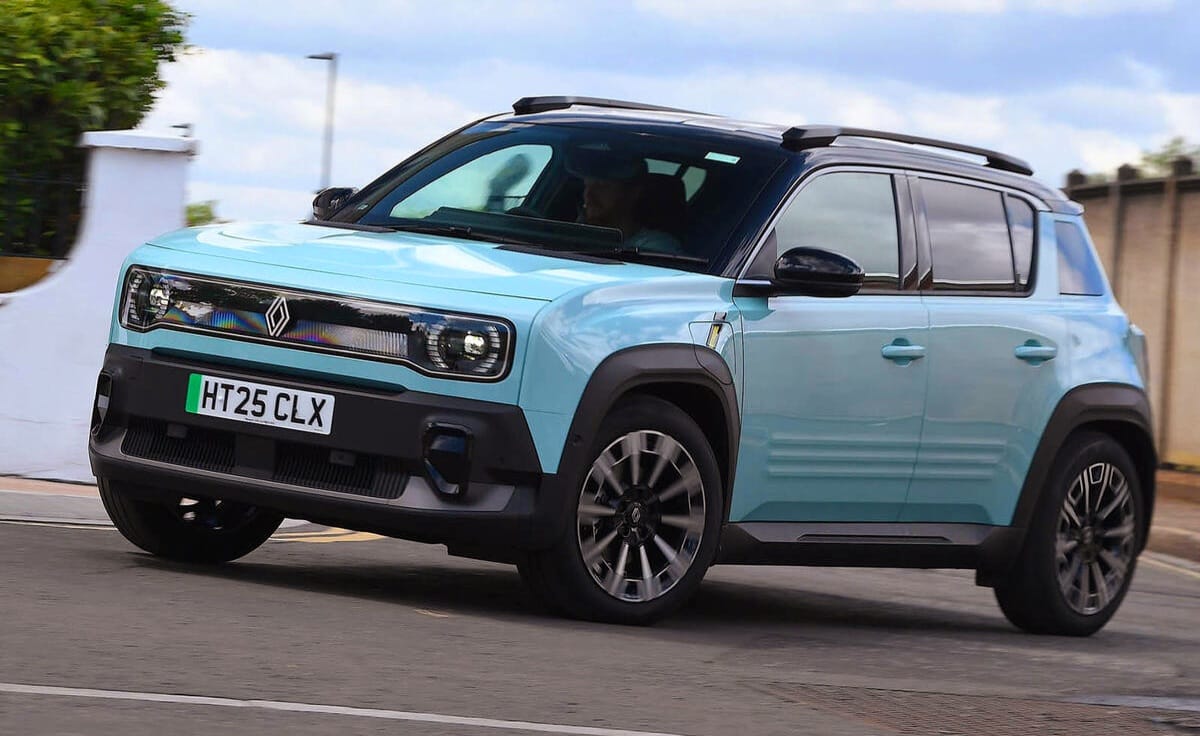
The Renault 4 E-Tech Electric takes the idea in a slightly larger direction.
It combines a compact SUV-style shape with electric power and is designed for drivers who want more practicality than a small city car.
Peugeot e-208
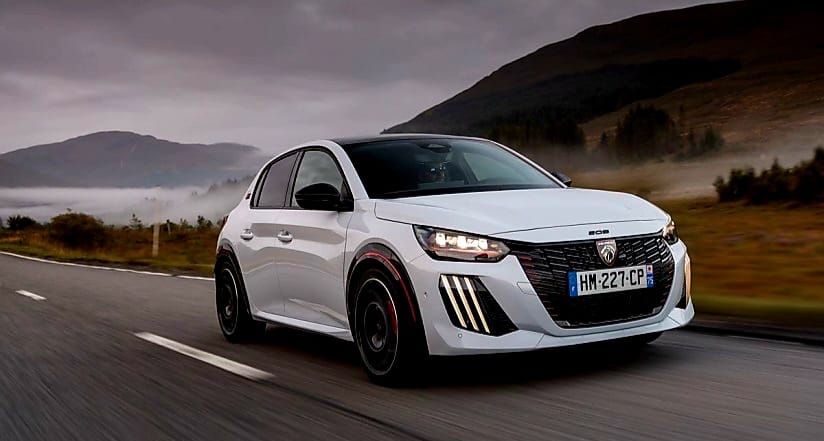
The Peugeot e-208 is another popular choice for French drivers looking for a small electric vehicle.
Its size makes it suitable for urban areas, while it can also handle longer journeys when planned around charging stops.
Tesla Model 3
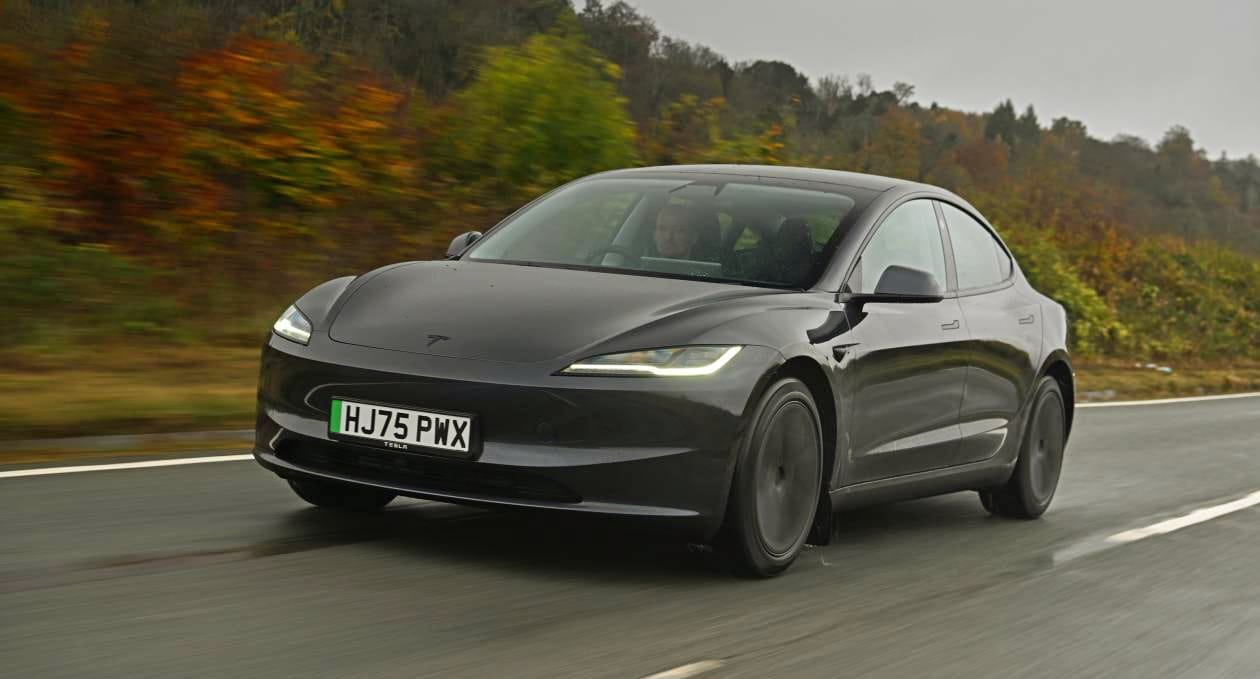
The Tesla Model 3 remains an important electric car in the French market.
It is particularly interesting for drivers who regularly travel longer distances because of its range and access to Tesla’s charging ecosystem.
Tesla’s registrations in France also increased significantly in September 2026, rising 61.9% year on year, according to Reuters.
Tesla Model Y
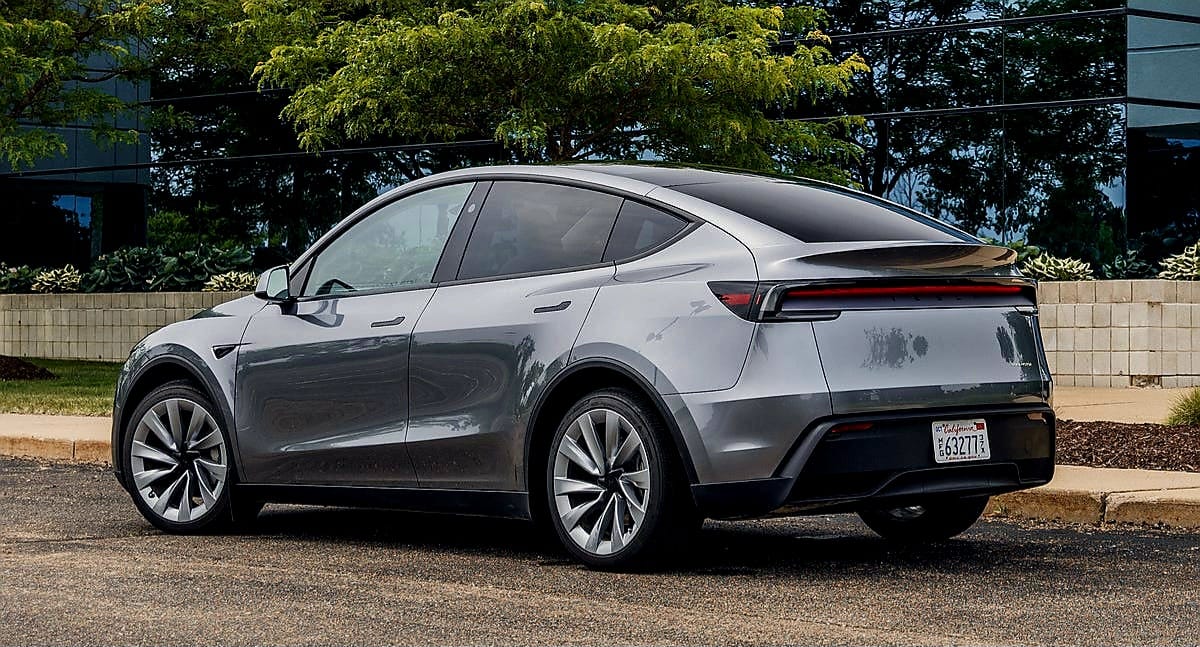
The Model Y offers more space than the Model 3 and is aimed at drivers looking for an electric family vehicle.
Its SUV-style body makes it practical for families, luggage and longer journeys.
Renault Scenic E-Tech Electric
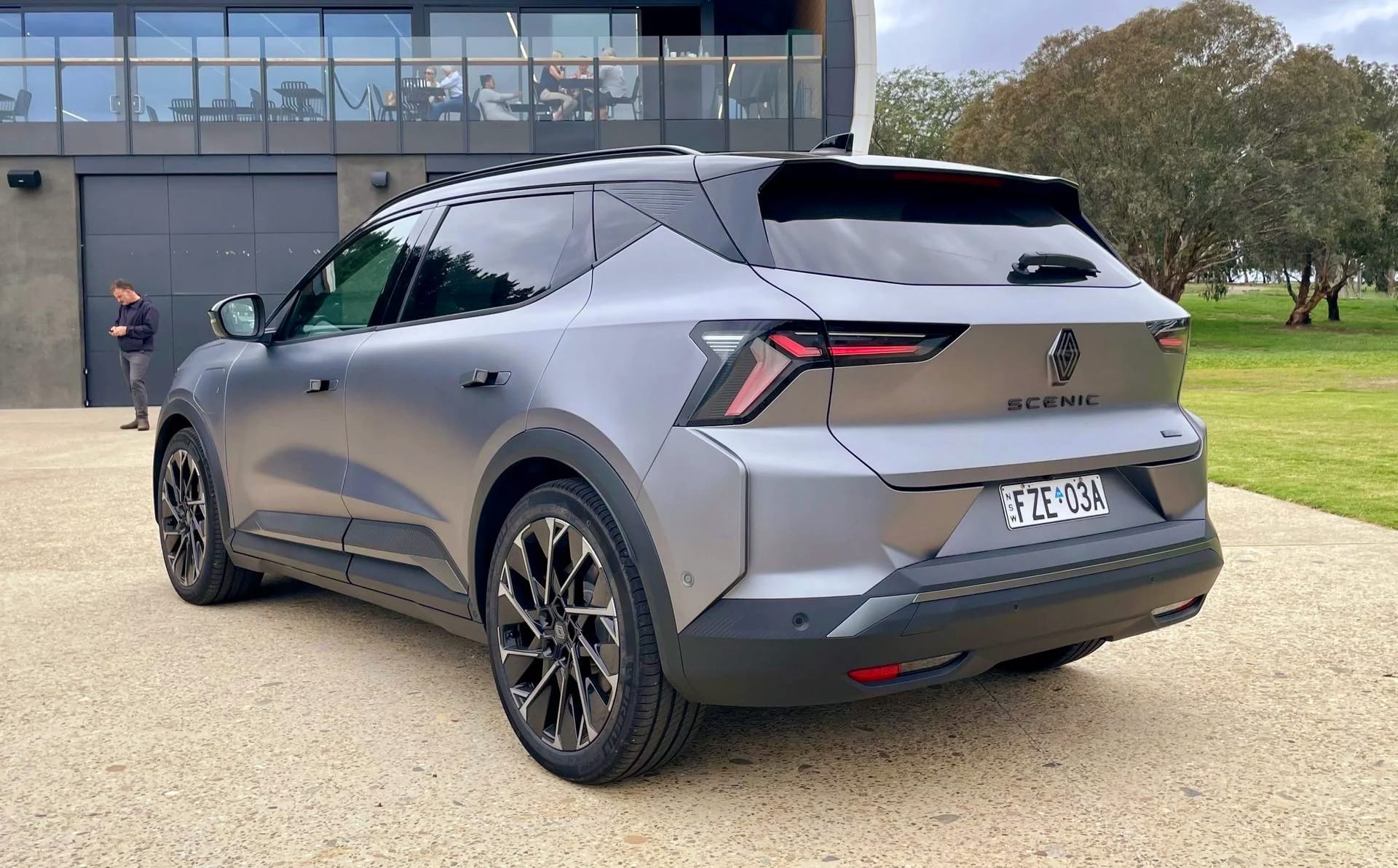
For families, the Renault Scenic E-Tech Electric is another model worth considering.
It provides more interior space than a typical small electric hatchback and is designed around longer-distance family use.
How Much Does an Electric Car Cost in France?
The price of an electric car in France varies significantly depending on the model, battery size, equipment and manufacturer.
Small electric cars generally cost less than large electric SUVs, while premium models can cost considerably more.
It is also important to look beyond the purchase price.
An electric car can have lower energy and maintenance costs than a petrol or diesel vehicle, especially for drivers who charge mainly at home.
France’s government has promoted the cost advantage of electrification as part of its 2026 national campaign. It says electric mobility can cost around 3 euros per 100 kilometres when charging under favourable conditions at home.
Actual costs will depend on the electricity tariff, charging location, driving style and vehicle efficiency.
Are There Government Incentives for Electric Cars in France?
This is one area where drivers need to be careful because the French system has changed.
The traditional bonus écologique for new passenger cars was abolished for vehicles ordered from July 1, 2025. Financial support for new electric cars continued through the French energy-saving certificate system instead.
In 2026, France continues to use support mechanisms linked to the CEE system for electric vehicles, subject to eligibility conditions.
The rules can depend on factors such as the vehicle, its environmental score, its price and the buyer’s circumstances.
For this reason, buyers should check the current government rules before signing a purchase or lease agreement rather than relying on an old article about the former bonus écologique.
What Is the Social Leasing Scheme?
France also renewed its social leasing programme in 2026.
The scheme allows eligible lower-income households to lease a new electric car under specific conditions.
According to the French government, the 2026 programme restarted from July 16, 2026, with monthly payments capped at **200 euros excluding options, accessories and additional services**. Some offers can be below 140 euros per month.
The lease must generally run for at least three years.
Eligibility is not automatic, however. Drivers must meet the programme’s conditions and choose a vehicle and leasing offer that qualify.
How Many Charging Stations Are There in France?
France has one of Europe’s largest public charging networks.
At the end of August 2026, there were 200,926 public charging points across the country. The number increased by 13% over one year.
The network is not limited to Paris.
Drivers can find charging points in cities, shopping areas, car parks, motorway service areas and other locations across France.
However, charging speed can vary considerably.
A normal AC charger can take much longer than a high-power DC fast charger. For a long road trip, it is therefore important to check both the location and the charging speed before setting off.
Can You Drive an Electric Car Across France?
Yes. France is increasingly suitable for long-distance EV travel, but planning still matters.
Before a long journey, check:
- Your car’s real-world range
- The location of fast chargers
- Charging speed
- Whether the charger accepts your payment method
- Whether alternative chargers are available nearby
- Expected traffic and weather conditions
A driver travelling from Paris to the south of France, for example, should plan charging stops before leaving rather than waiting until the battery is nearly empty.
For newer EVs, route-planning systems can also calculate charging stops automatically.
Electric Cars and France’s Low-Emission Zones
Another important issue for drivers is France’s ZFE, or low-emission zones.
France has introduced low-emission zones in a number of metropolitan areas, including Paris, Lyon, Marseille, Lille, Strasbourg, Toulouse, Bordeaux and other cities.
The Crit’Air system is used to classify vehicles according to their emissions.
A Crit’Air certificate is required for vehicles entering areas where ZFE rules apply, and restrictions can differ between cities.
Fully electric cars have a major advantage in this system because they receive the cleanest Crit’Air classification.
However, drivers should still check the rules of the specific city they are visiting because local restrictions and operating hours can differ.
Are Electric Cars Exempt From All French Driving Restrictions?
Not necessarily. Electric cars generally have the cleanest Crit’Air classification, but drivers should not assume that every restriction, parking rule or local charge automatically disappears.
French cities can introduce their own traffic, parking and access rules.
If you are travelling to Paris, Lyon, Marseille or another major city, check the local rules before driving into the city centre.
Is Charging an Electric Car in France Expensive?
Charging costs depend heavily on where you charge.
Home charging is usually easier to control because you pay your normal electricity tariff.
Public charging can be more expensive, particularly at fast-charging stations.
The price may also depend on the operator, charging speed, subscription and payment method.
For this reason, two charging sessions that provide a similar amount of electricity can have very different prices.
Drivers who use an electric car every day should compare home charging with public charging rather than assuming that all charging costs are the same.
Should You Buy an Electric Car in France in 2026?
For many drivers, an electric car can make sense in 2026, particularly if they have access to home or workplace charging and mostly drive predictable daily distances.
The rapidly growing French market also means buyers have a much wider selection than they did only a few years ago.
But an electric car is not automatically the right choice for everyone.
Before buying, consider:
- Your normal daily mileage
- Whether you can charge at home
- Your typical motorway mileage
- The car’s real-world range
- The price of public charging
- Insurance costs
- Purchase or lease price
- Battery warranty
- Local ZFE rules
- Availability of charging where you live
These factors can be more important than simply looking at the advertised range.
What Is the Future of Electric Cars in France?
The French market is moving rapidly toward electrification. The jump to a 42% share of new passenger-car registrations in September 2026 shows how quickly the market is changing.
At the same time, the charging network is continuing to expand, with more than 200,000 public charging points already available.
French manufacturers are also investing heavily in electric models, while international brands are competing for a growing market.
This means French drivers now have more choice, but they also have more decisions to make.
The cheapest electric car is not necessarily the cheapest car to own, and the car with the longest advertised range is not necessarily the best choice for every driver.
Electric Cars in France: The Bottom Line
Electric cars have become a major part of the French automotive market.
In 2026, France is seeing record levels of electric-car sales, a rapidly expanding charging network and continued government support through new mechanisms.
For drivers, the most important questions are practical ones: where you can charge, how far you normally drive, how much you want to spend and where you regularly travel.
If those factors fit an electric vehicle, France in 2026 offers a much broader EV market and charging infrastructure than it did just a few years ago.
And with electric cars already accounting for a substantial share of new registrations, the French car market is clearly changing.