Racism in Belgium: Bus Drivers Face Daily Insults, Abuse and Threats
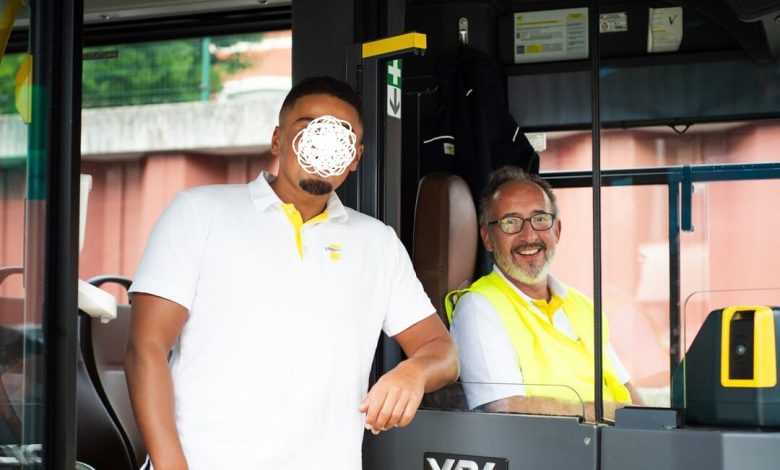
Bus drivers in Belgium are facing growing concerns over racism, verbal abuse and aggressive behaviour from passengers. For some drivers, insults and threats have become part of their daily working lives.
Being called a “stupid foreigner” or a “son of a bitch” is something Khaled Meshaal, a 39-year-old bus driver working in Hasselt, says he has experienced repeatedly.
He works for Hansea, a private transport company that operates buses on behalf of Flemish public transport operator De Lijn. He says that although most passengers behave respectfully, a small number make his job increasingly difficult.
The figures highlight the scale of the problem. A total of 292 incidents of violence involving Hansea drivers were recorded during the first nine months of 2025, almost one incident per day. Most involved verbal abuse.
Psychological violence accounted for 55% of reported cases. However, the real number could be higher because many drivers do not report insults and verbal aggression.
“I love my job, but the insults are exhausting”
Meshaal says that more than 90% of passengers are friendly, particularly older people. However, he has noticed that some younger passengers can be particularly aggressive.
He also says that simple gestures, such as saying hello or wishing the driver a good morning, are becoming less common among some younger passengers.
During one of his shifts, while driving a replacement bus for Belgian railway operator SNCB between Hasselt and Landen, he had another unpleasant experience.
A young passenger boarded in Sint-Truiden without showing the required train ticket. When Meshaal politely asked him to show it, the passenger responded with insults, including calling him a “son of a bitch with cancer”.
In another incident, a passenger in his seventies nearly fell while boarding the bus. Meshaal tried to help him, but instead of thanking him, the man reportedly shouted: “Get away, you stupid foreigner.”
The incident stayed with the driver for a long time.
“I love my job, but constantly having to listen to these insults is difficult,” he explains.
Arguments over simple bus rules
Not all incidents begin with serious disagreements. Sometimes, conflicts start when drivers simply ask passengers to follow the rules.
Eating and drinking are not allowed on the bus, but some passengers react aggressively when drivers remind them of the restrictions.
Meshaal recalls an incident involving a young woman who boarded with six large shopping bags from Aldi and Lidl. She occupied one seat and placed her bags on three additional seats.
When he asked her to make room for an older passenger, she called a friend. The man later arrived at Dusartplein in Hasselt and threatened the driver, claiming that he worked for the police.
Physical violence and threats involving weapons
Verbal abuse is the most common problem, but some situations go much further.
During the first nine months of 2025, 12 incidents involving physical assaults or passengers spitting at drivers were recorded. Another 11 involved threats, including one involving a weapon.
The consequences can also affect drivers’ health and ability to work. Around one in six workplace injuries that result in drivers taking time off is linked to violence.
Meshaal says he has also experienced physical aggression.
“On one occasion, I asked a group of young passengers to leave the bus at the final stop. They pushed me,” he recalls.
He also describes an incident involving one of his colleagues, when a fight broke out between passengers. One of them threw a beer can towards the bus door, smashing the glass.
More than 200 drivers trained to deal with aggressive passengers
Hansea has taken steps to help its employees deal with difficult situations.
More than 200 drivers have received training through a programme called “Slim Reageren”, which teaches them how to communicate with difficult passengers and respond to aggressive behaviour without making situations worse.
Meshaal says staying calm is usually the best approach.
“I always try to remain calm. That’s the best solution. Otherwise, things can get worse,” he says.
Does he ever feel afraid while driving?
“No. If you’re afraid, you can’t do this job,” he replies.
Hansea asks passengers to show drivers basic respect
To raise awareness of the problem, Hansea has launched a campaign called “Dag Chauffeur” (Hello, Driver), on the International Day for Tolerance.
The campaign encourages passengers to do something simple: greet the driver when getting on the bus.
“We cannot accept a situation in which a driver is insulted or threatened every day,” says Hansea CEO Joris Laros.
“Our message is simple: say hello to the driver, and the driver will say hello back.”
For bus drivers, a simple greeting may seem like a small gesture. But respect, patience and basic politeness can make a real difference to people who spend their working day transporting thousands of passengers.
Drivers should be able to do their jobs without facing racism, insults or threats simply because they are enforcing the rules or trying to help someone.