
Fouad Belkacem Married in Belgian Prison, Now Seeks Asylum
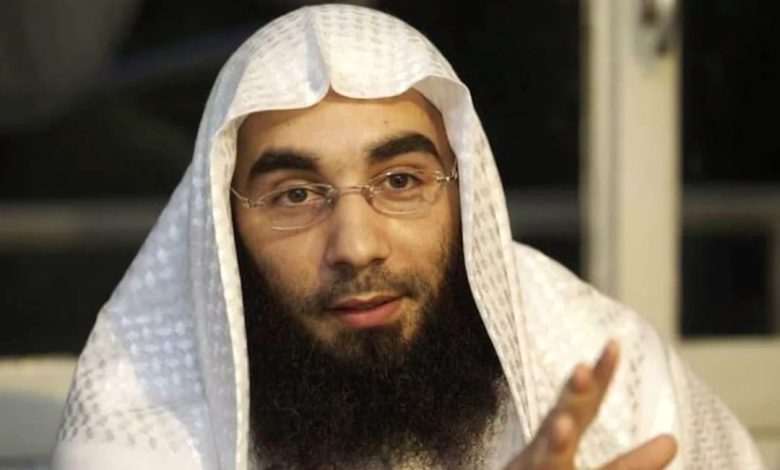
Fouad Belkacem, the former leader of Sharia4Belgium, is facing another major legal battle in Belgium as his release from prison approaches.
More than a decade after he was sentenced to 12 years in prison for his role as the leader of the extremist organization, Belkacem has now reportedly applied for asylum in Belgium.
The timing is significant. Belkacem could be released in 2027 after spending around 15 years in prison. But unlike when he was first sentenced, he is no longer a Belgian citizen.
Belgium removed his nationality in 2018, leaving him with Moroccan nationality. If he is released without another legal status, Belgian authorities could seek to remove him to Morocco. His new asylum application could therefore become an important part of determining what happens next.
Who Is Fouad Belkacem?
Belkacem was born in Rumst, in the Antwerp province, and became the founder and public face of Sharia4Belgium.
The organization was dissolved in 2012 and was later classified by Belgian courts as a terrorist organization. Belkacem was eventually sentenced to 12 years in prison and fined 30,000 euro.
The court found that he had played a major role in the radicalization and indoctrination of members of Sharia4Belgium and in preparing them for armed struggle. The organization was also involved in recruiting young people who traveled to Syria to join jihadist groups.
That conviction turned Belkacem into one of the most recognizable figures in Belgium’s long-running debate over radicalization, terrorism and national security.
His case did not end with his prison sentence.
Belkacem Lost His Belgian Citizenship
One of the most important developments in Belkacem’s legal history came in 2018.
The Antwerp Court of Appeal decided that he should lose his Belgian nationality. At the time, Belkacem held both Belgian and Moroccan nationality, so the decision left him with Moroccan citizenship.
The court considered that he had seriously failed in his obligations as a Belgian citizen.
The loss of nationality also changed the situation surrounding his future after prison. Belgium could potentially seek his removal to Morocco once his sentence was completed.
But the case was never as simple as putting him on a plane after his release.
Questions remained about his legal status, his family in Belgium and whether Morocco would cooperate with his return.
He Married While Serving His Sentence
There is another unusual chapter in Belkacem’s story. In May 2017, while serving his sentence at Hasselt prison, he married a Belgian woman of Moroccan background.
The couple already had three children together. At the time, the marriage immediately attracted political and media attention because Belkacem was facing the possibility of losing his Belgian nationality.
Some reports suggested that the marriage could make a future removal more difficult. However, Belkacem’s lawyer rejected the idea that the marriage was a legal strategy.
She said the couple had already been together for six years and that they had three children, describing the marriage as one made out of love rather than an attempt to interfere with legal proceedings.
The marriage itself did not prevent Belgium from later removing his nationality.
Why His Family Matters?
Belkacem’s family has remained an important part of the discussion surrounding his future.
His wife and children live in Belgium, meaning that his possible removal could raise questions involving family life as well as immigration and criminal law.
Having a wife or children in Belgium does not automatically give a person the right to remain in the country, but family circumstances can become relevant in certain legal proceedings.
That makes Belkacem’s situation more complicated than a simple deportation case.
Why Morocco Is Now Important?
The biggest question surrounding Belkacem’s future is what happens when his prison sentence ends.
He no longer has Belgian nationality, while Morocco remains his nationality country.
However, reports have previously raised questions about whether Morocco would actually accept his return and whether the necessary travel documents could be obtained.
In February 2025, Gazet van Antwerpen reported that Belkacem could face illegal residence in Belgium after his release and could potentially be removed, while his lawyer suggested that Morocco might not provide the necessary authorization for his return.
That possibility could become particularly important now that Belkacem has reportedly applied for asylum.
Fouad Belkacem Now Seeks Asylum
The latest development was reported on September 30, 2026. Francesca Van Belleghem, a member of the Belgian Chamber for Vlaams Belang, announced that Belkacem had submitted an asylum application while still in prison.
The application comes as his release approaches and after he lost his Belgian nationality.
Van Belleghem argued that the application could be intended to prevent his return to Morocco because he now has only Moroccan nationality. That is her political interpretation of the situation, rather than a final finding by the Belgian asylum authorities.
The asylum request now creates another legal question: can Belkacem obtain international protection in Belgium despite his criminal history, or will Belgian authorities eventually be able to remove him after his sentence?
That question cannot be answered simply because an asylum application has been submitted.
What Happens Next?
Belkacem’s asylum application will have to go through the Belgian asylum system.
The authorities will examine his case according to the applicable legal rules before a final decision is made.
If the application is rejected, further legal procedures and possible appeals could follow. If protection is granted, his legal position in Belgium would change again.
The situation could therefore continue well beyond the moment when he leaves prison.
His expected release in 2027 is only one part of the story. The next major issue will be whether Belgium can legally remove him, whether Morocco will accept his return and how his asylum application affects the process.
A Case That Has Lasted More Than a Decade
Belkacem’s story has already passed through several major stages.
He became the leader of Sharia4Belgium, was convicted and sentenced to 12 years in prison, married while behind bars, lost his Belgian nationality and faced the possibility of being sent to Morocco.
Now, as his release approaches, he has reportedly added an asylum application to that long list of legal proceedings.
His case brings together several difficult issues that Belgium has been debating for years: terrorism convictions, citizenship, deportation, asylum, family life and the limits of the law.
For Belkacem, the end of his prison sentence may therefore not mean the end of his legal battle.
Instead, 2027 could mark the beginning of another chapter in a case that has already shaped Belgium’s debate over radicalization, citizenship and immigration for more than a decade.