
Theo Francken Slams Fouad Belkacem Asylum Request
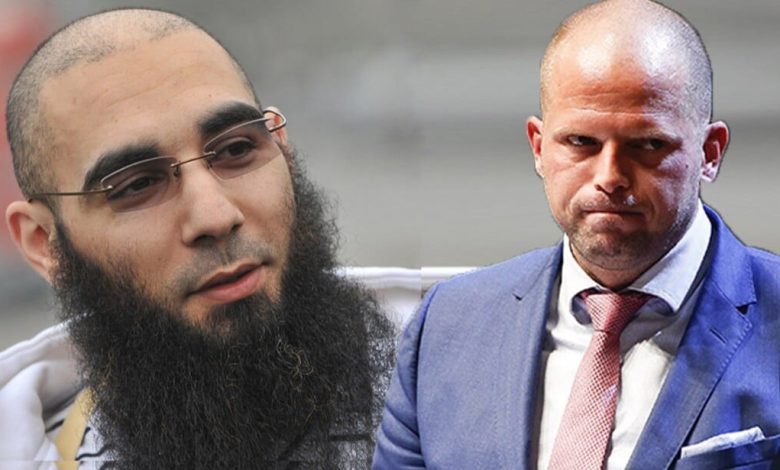
Belgian Defense Minister Theo Francken has strongly criticized Fouad Belkacem after the former leader of Sharia4Belgium reportedly applied for asylum in Belgium while serving his prison sentence.
The asylum application was reported on September 30, 2026, by Vlaams Belang MP Francesca Van Belleghem. However, Van Belleghem said that Minister of Asylum and Migration Anneleen Van Bossuyt, the Immigration Office and the Office of the Commissioner General for Refugees and Stateless Persons had not confirmed the details of the application.
The development has brought renewed attention to Belkacem, his role in Sharia4Belgium, the loss of his Belgian nationality and the question of what will happen after he finishes his prison sentence.
Who Is Fouad Belkacem?
Fouad Belkacem was born in Belgium and became the leader and main spokesperson of Sharia4Belgium, an organization that was dissolved in 2012.
In 2015, he was sentenced to 12 years in prison for leading the organization. Belgian courts found him responsible for his role in recruiting people to travel to Syria to join jihadist groups. VRT reported that he also received a 30,000-euro fine.
The European Court of Human Rights later examined a separate case involving Belkacem’s statements in YouTube videos. The court described him as the leader and spokesperson of Sharia4Belgium and noted that he had been convicted in Belgium for incitement to discrimination, hatred and violence.
Belkacem originally held both Belgian and Moroccan nationality. In 2018, the Antwerp Court of Appeal ruled that he should lose his Belgian nationality, meaning that he would retain his Moroccan nationality. The court said he had seriously failed in his obligations as a Belgian citizen.
His loss of nationality did not automatically mean immediate deportation. At the time, Belgian authorities explained that any removal would have to be dealt with after his prison sentence and under the applicable legal procedures.
Why is Fouad Belkacem Seeking Asylum?
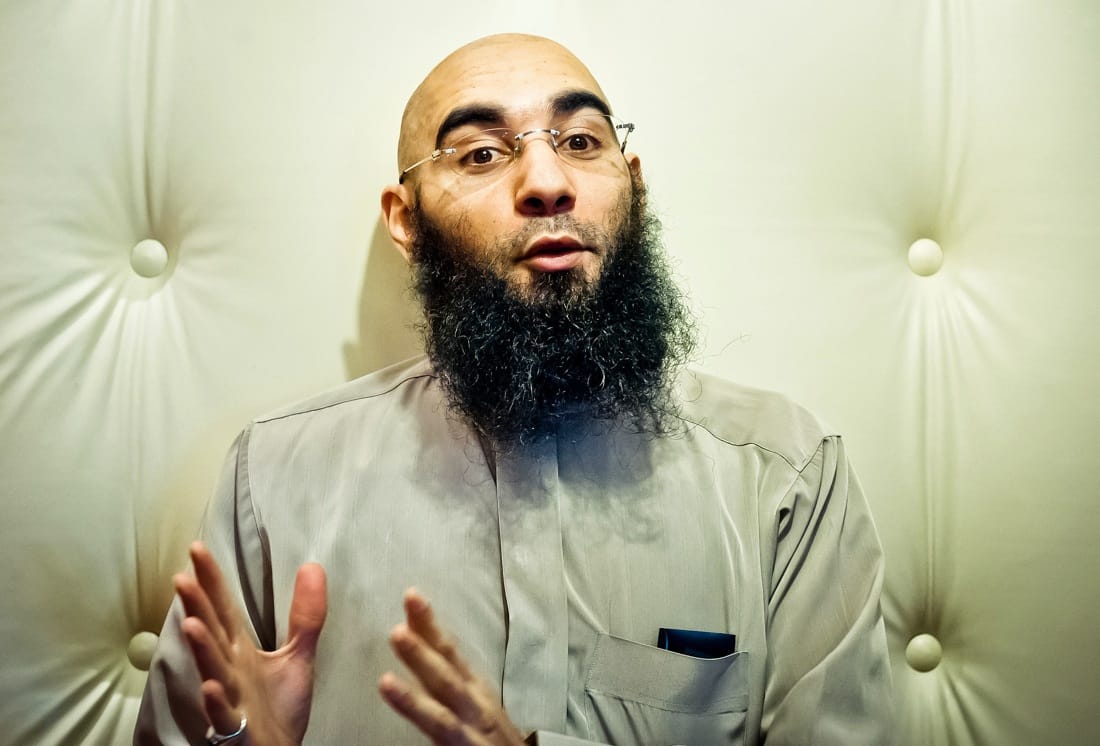
According to information released by Van Belleghem, Belkacem has submitted an asylum application while still in prison, with his possible release approaching.
Van Belleghem said she believed the application could be intended to prevent or delay a possible return to Morocco. She also said Belkacem now has only Moroccan nationality. These are her claims about the purpose of the application, not a final legal finding by the Belgian asylum authorities.
The authorities have not publicly confirmed that the application was submitted specifically to avoid deportation.
Under Belgium’s asylum system, an application must be examined according to legal criteria. The CGRS can use priority procedures in certain cases, including applications involving people who are detained or cases involving possible risks to national security or public order.
Therefore, an asylum application does not by itself establish that an applicant will be allowed to remain in Belgium.
What Theo Francken Said About Fouad Belkacem?
Theo Francken, who is now Belgium’s Minister of Defense and Foreign Trade, reacted strongly to the news.
In his statement, Francken described Belkacem as a “terrorist and fraudster” and accused him of having used different parts of Belgium’s immigration legislation in the past in an effort to obtain residence rights and Belgian nationality.
Francken said that after a lengthy legal process, Belkacem had lost both his residence rights and Belgian nationality.
He then questioned why Belkacem would now request asylum in Belgium if he does not want to return to Morocco, describing Morocco as his home country.
Francken also referred to Belkacem’s past activities with Sharia4Belgium. He accused him of brainwashing and sending hundreds of young people to Syria to fight for the so-called caliphate and against what the group described as the “immoral and decadent West.”
Francken then connected the issue to the Brussels terrorist attacks in Maalbeek and Zaventem, saying that the attacks left 35 people dead and hundreds injured, and argued that some victims still had not been properly compensated years later.
His statement ended with a direct rejection of the asylum request, with Francken saying that Belkacem’s upcoming release was already serious enough in his view and adding: “Asylum? No way.”
Francken’s comments are political statements and should be distinguished from the legal assessment of Belkacem’s asylum application. The application itself must be examined by the competent Belgian authorities.
Belkacem’s Belgian Nationality Was Already Removed
Belkacem’s nationality case has a long history. In October 2018, the Antwerp Court of Appeal confirmed the loss of his Belgian nationality. VRT reported that the court considered him to have seriously failed in his obligations as a Belgian citizen. At that point, Belkacem was left with Moroccan nationality.
The loss of nationality was significant because it opened the possibility of removal after his imprisonment, but Belgian authorities made clear that deportation was not an automatic consequence of the court decision.
What Happens to His Asylum Application?
The next step is a legal examination of the asylum request.
The CGRS explains that asylum applications can be handled through different procedures depending on the circumstances. Since June 12, 2026, Belgium has also been applying new EU asylum rules, including wider use of accelerated procedures and revised rules concerning safe countries.
For applicants in detention or cases involving possible public-order or national-security concerns, the CGRS can give priority to the case. A priority procedure does not automatically mean that protection will be granted or refused; the same legal framework still applies, and an appeal can be possible after a negative decision.
This means the final outcome of Belkacem’s request cannot be determined simply from the fact that he has submitted an application.
A New Legal Battle Before His Release
Fouad Belkacem’s asylum request adds another legal issue to a case that has already involved terrorism convictions, loss of Belgian nationality and possible removal to Morocco.
His past conviction and the court ruling that removed his Belgian nationality are established parts of his legal history. His current asylum application, however, remains a separate procedure that must be assessed by the competent Belgian authorities.
Theo Francken has made clear that he strongly opposes Belkacem remaining in Belgium, while supporters of the asylum process would point to the requirement that every application be examined under Belgian and European asylum law.
The coming legal decisions will determine whether Belkacem can obtain international protection in Belgium or whether authorities can proceed with his removal after his prison sentence.