How to Find an Apartment in Belgium in 2026
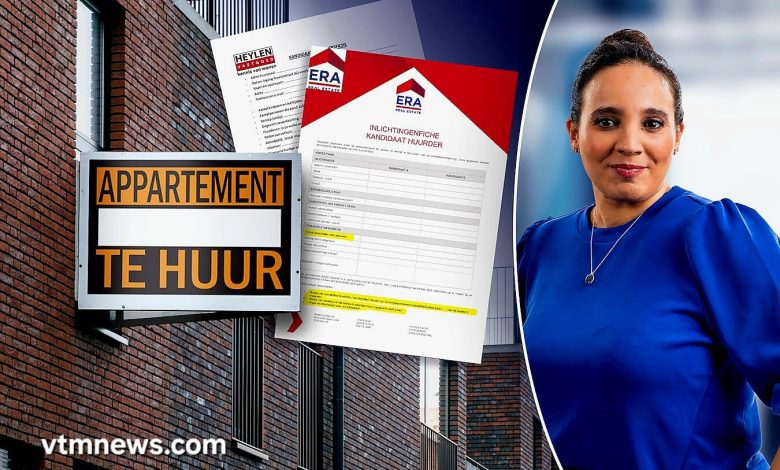
Finding an apartment in Belgium in 2026 can be challenging, especially in popular cities such as Brussels, Antwerp, Ghent and Leuven. Competition for affordable rental properties can be strong, and landlords often want to know whether a prospective tenant can pay the rent consistently and take good care of the property.
Whether you are moving to Belgium for work, studying at a university, relocating with your family or looking for a new home closer to your job, preparation can make the process easier.
The key is to search in the right places, prepare your documents, understand the rental costs and know what to check before signing a lease.
1. Where to Find Apartments for Rent in Belgium
Start your search online before arranging viewings. Rental websites allow you to compare properties, prices, locations and additional costs without traveling across the country.
Here are several places to begin:
- Immoweb: One of Belgium’s best-known property websites, with apartments and houses for rent across the country.
- Zimmo: Search rental properties by city, neighborhood, price and property type.
- ImmoVlan: Browse rental listings and contact estate agents or landlords.
- Local estate agents: Contact agencies in the area where you want to live. They may know about properties that match your budget and requirements.
Set up search alerts when a website offers them. New listings that match your requirements can then reach you quickly, allowing you to contact the advertiser without checking every website manually.
If you are looking for a property in Brussels, consider nearby areas with good public transport connections. If you work in Flanders or Wallonia, compare the cost of commuting with the rent you could save by living farther from the city center.
2. Prepare Your Documents Before Contacting Landlords
One of the most useful things you can do is prepare a rental application before you start arranging viewings.
Landlords may receive messages from many prospective tenants. Having the necessary information ready helps you respond quickly when a suitable property becomes available.
Depending on your circumstances, prepare the following:
- A valid identity document and, where relevant, proof of your right to reside in Belgium.
- An employment contract or an employer’s confirmation of your job.
- Recent payslips or other reliable evidence of income.
- Bank statements or other financial documents if reasonably needed to demonstrate your ability to pay the rent.
- Evidence of savings or other regular income if you are self-employed, studying or between jobs.
- References from a previous landlord, if available.
You do not necessarily need every document on this list. The appropriate documents depend on your situation and the landlord’s legitimate requirements.
Protect your personal information when sharing documents online. Use verified agencies or trusted communication channels, and consider whether a document contains information that the recipient does not need.
You can also prepare a short introduction explaining who you are, what you do, how many people will live in the property and when you would like to move in.
3. How Much Money Do You Need to Rent an Apartment?
Before applying for a property, calculate the full cost of moving in rather than looking only at the advertised monthly rent.
Your budget should account for:
- Monthly rent.
- Building charges and shared maintenance costs.
- Electricity, gas, water and internet.
- Rental guarantee or security deposit.
- Home insurance, where required.
- Moving expenses and basic furniture.
The rental guarantee is particularly important because it can represent a substantial upfront expense.
The rules depend on the region. In Flanders, a residential rental guarantee can generally reach three months’ rent. In Brussels, the maximum for leases entered into or renewed from November 1, 2024, is generally two months’ rent. You should check the applicable rules for the property in Wallonia as well.
Where possible, use the legally permitted deposit arrangement, such as a blocked account in the tenant’s name. Do not assume that you must transfer the guarantee directly to the landlord’s personal bank account.
For example, if the monthly rent is 900 euros, a three-month guarantee would amount to 2,700 euros. A two-month guarantee would amount to 1,800 euros. These are examples, not estimates of what every landlord can legally request.
If you cannot afford the full guarantee immediately, ask about assistance. Depending on your circumstances and location, the relevant regional housing service or Public Centre for Social Welfare (OCMW/CPAS) may be able to explain available support.
4. How to Make Your Rental Application Stand Out
A strong application is not about wearing expensive clothes or arriving in an expensive car. What matters most is presenting yourself professionally, communicating clearly and providing credible information about your ability to meet the rental obligations.
When contacting a landlord or estate agent:
- Introduce yourself politely and explain why the property suits your needs.
- State when you are available to move in.
- Explain your employment or financial situation honestly.
- Confirm how many people would live in the apartment.
- Ask whether the advertised rent includes any charges.
- Respond promptly if the landlord requests additional information.
If you are employed, an employment contract and recent payslips may help demonstrate financial stability. If you are self-employed, you may be able to provide appropriate income records instead. Students and people starting a new job may need different supporting documents.
A previous landlord’s reference can also be useful if it confirms that you paid rent on time and took reasonable care of the property.
However, do not offer several months of extra rent or a larger guarantee simply to persuade a landlord to select you. Any deposit or payment arrangement should comply with the rules that apply to the property.
5. What to Check During an Apartment Viewing
Once you receive an invitation to view a property, arrive on time and take enough time to inspect it carefully.
Do not focus only on the appearance of the rooms. Some problems can become expensive after you move in.
Check the following:
Heating and insulation: Ask how the property is heated and whether the windows provide adequate insulation. Energy efficiency can make a significant difference to winter bills.
Moisture and ventilation: Look for signs of dampness, mold, water damage or poor ventilation, especially around windows, bathrooms and exterior walls.
Utilities: Ask whether electricity, gas and water have individual meters and whether any charges are included in the rent.
Building charges: Find out what the common charges cover and whether they are fixed monthly payments or estimates that may later be adjusted.
Transport and location: Check the distance to your workplace, supermarkets, schools and public transport. A cheaper apartment can become more expensive if it requires a long daily commute.
Lease conditions: Ask about the contract’s duration, notice requirements, permitted rent indexation and any restrictions relevant to your plans.
Energy performance: Ask for the applicable energy performance certificate, known as an EPC in Flanders and a PEB in Brussels and Wallonia.
Take notes and photographs where permitted. If you notice a defect, ask the landlord or agent to explain whether it will be repaired before you move in.
Never feel pressured to sign a contract immediately without understanding its terms.
6. Should You Rent Through an Estate Agent or Directly From a Landlord?
Both options can work.
Renting through an estate agent may provide a more structured application process and a clear contact for questions about the property. However, you should check any fees carefully and establish which party is responsible for paying them.
Renting directly from a landlord can also be straightforward, particularly when the owner manages the property personally. In that case, verify the owner’s identity and authority to rent out the accommodation.
Be cautious of advertisements with unusually low prices, landlords who claim they are abroad and cannot arrange a viewing, or anyone demanding an immediate payment before you have verified the property and the proposed contract.
Never send a rental guarantee merely to reserve an apartment advertised online. Verify the property, the person receiving the payment and the legal arrangement first.
7. Is It Better to Live in Brussels, Antwerp, Ghent or a Smaller City?
The right location depends on your job, budget, family needs and preferred lifestyle.
Brussels may be convenient for people working in international organizations, EU institutions and companies with multilingual teams. Antwerp has a major port and a broad range of commercial and industrial employers. Ghent combines universities, research, industry and city life.
Smaller cities and towns may offer different rental prices, quieter neighborhoods or shorter journeys to particular workplaces. However, the cheapest property is not always the most economical choice if transport costs are high.
Before deciding, calculate the total monthly cost of rent, utilities and commuting. Check train and bus connections during the hours you would normally travel to work.
You should also consider language. Dutch is particularly useful in Flanders, French is widely used in Wallonia, and Brussels has both French- and Dutch-speaking services. English can be sufficient in some workplaces and communities, but learning the local language can broaden your housing and employment options.
8. What If Your Landlord Decides to Sell the Apartment?
If you already rent a property and the owner decides to sell it, this does not automatically mean that you must leave immediately.
The outcome depends on your rental agreement, whether it has been registered and the applicable regional rules. In many situations, the buyer takes over the landlord’s position and must respect the existing lease, subject to the legal grounds and notice requirements that apply.
Do not assume that every tenant is automatically entitled to six months to move out, or that every new owner must allow the tenant to stay indefinitely. The rules can differ according to the contract and the region.
If you receive a notice because the property is being sold, keep a copy of the notice and your lease. Check whether the agreement is registered and seek advice from the relevant regional housing service or a tenant support organization before agreeing to leave.
9. A Personal Lesson: Choose a Home That Fits Your Life
Finding a suitable apartment is not only about convincing a landlord to accept your application. It is also about finding a place where you can build a stable life.
A property may look attractive online but turn out to be inconvenient because of the commute, the neighborhood, the total cost or the availability of services. Another apartment, perhaps in a smaller town, may offer a better balance between housing costs, work and everyday life.
Before committing to a long-term rental, think about where you work, how often you need to travel, which services matter to your household and whether you can comfortably afford the property.
A home that fits your budget and daily routine can be more valuable than an apartment in a prestigious location.
The easiest way to improve your chances of finding an apartment in Belgium is to prepare your documents, search regularly, contact landlords promptly and calculate your full housing budget before making an offer.
Compare several properties, verify the advertiser, inspect the apartment carefully and read the rental agreement before signing. Never risk your savings by sending money to an unverified person.
Most importantly, do not limit your search to one neighborhood or city unless you need to. Expanding your search area while keeping your commute manageable may reveal more suitable options.
With preparation, patience and a clear understanding of your rights, you can make the search for a rental home in Belgium more manageable and avoid many common mistakes.