Rare 16th-Century Artifact Saved From Auction in Mechelen
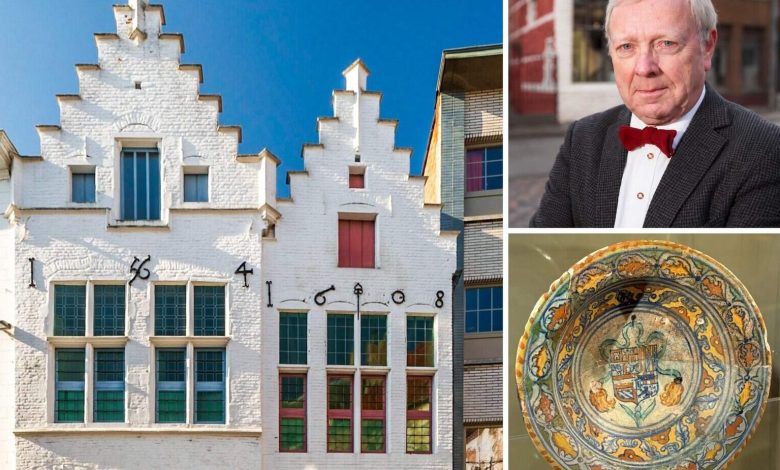
A rare 16th-century ceramic plate featuring the coat of arms of King Philip II was almost sold at auction in Mechelen, Belgium, before a group of local historians and archaeologists recognized its importance and helped stop the sale.
The plate was discovered during archaeological excavations carried out between 1987 and 1989 at three historic buildings on Sint-Katelijnestraat. The buildings included De Koning van Engeland and Het Gulden Hoefijzer, which architect Karel Beeck had bought in 1986 with plans to restore them.
The excavations uncovered a large collection of historical objects, including pottery, glass, wooden items and leather shoes. One of the most remarkable discoveries was the colorful plate decorated with the coat of arms of Philip II.
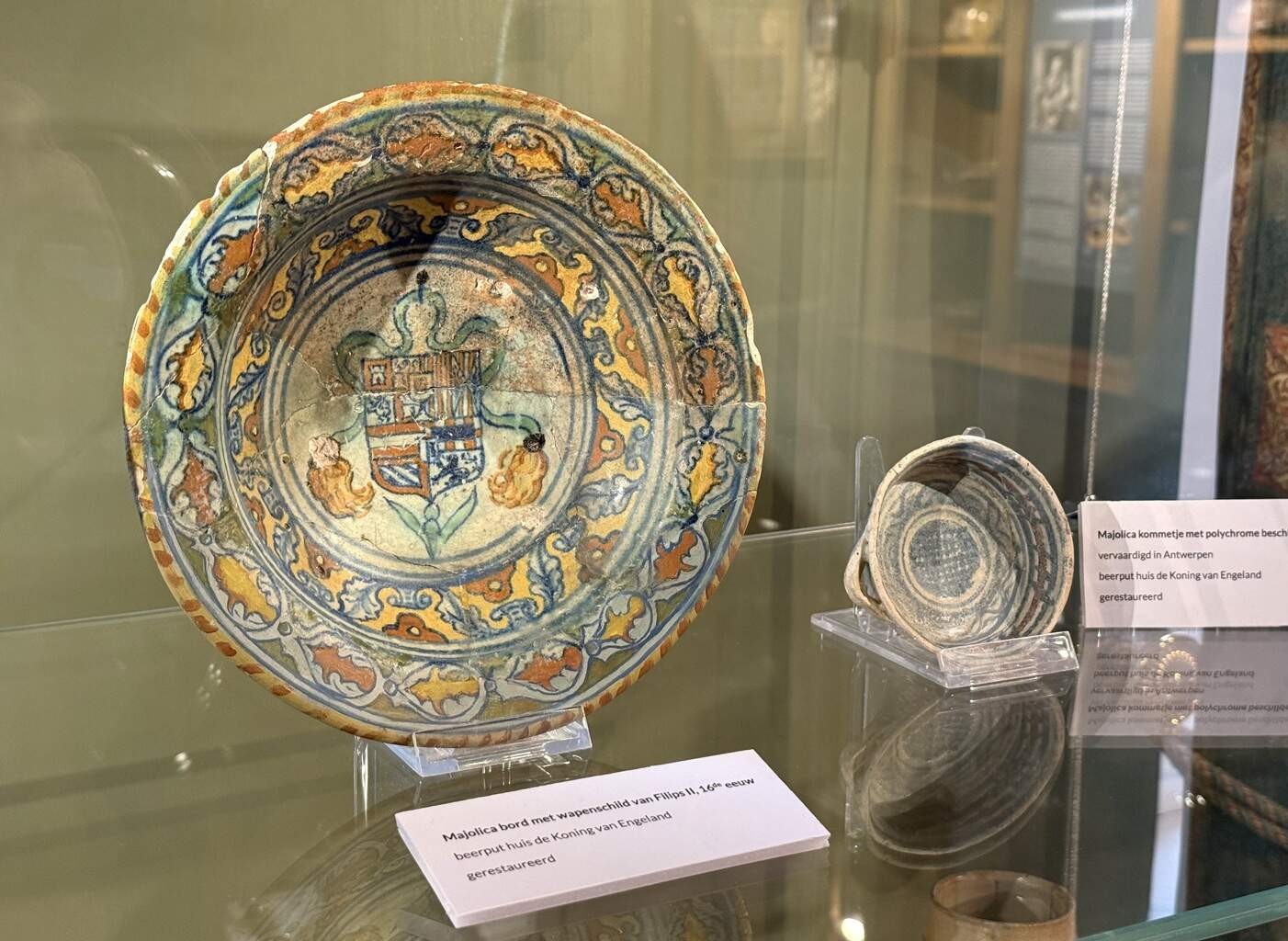
Archaeologists say the plate is particularly rare because no similar example is currently known. It may have been made for a special event, possibly connected to Philip II’s visit to Mechelen with his father, Emperor Charles V, in 1549.
Years later, the amateur archaeologists who had carried out the excavations faced financial problems and decided to raise money by selling some of the archaeological objects at an art auction.
The collection was put up for sale in May 1996. The rare Philip II plate was featured in the auction catalog, which immediately caught the attention of people familiar with the excavations.
Historian Patrick De Greef recognized the plate and raised the alarm. He had personally helped excavate it years earlier. The city of Mechelen and Karel Beeck then took action, and the auction was stopped.
After a lengthy legal battle, Beeck eventually recovered part of the collection. In 2025, he donated most of the archaeological objects from his historic buildings to the House of Mechelen Archaeology.

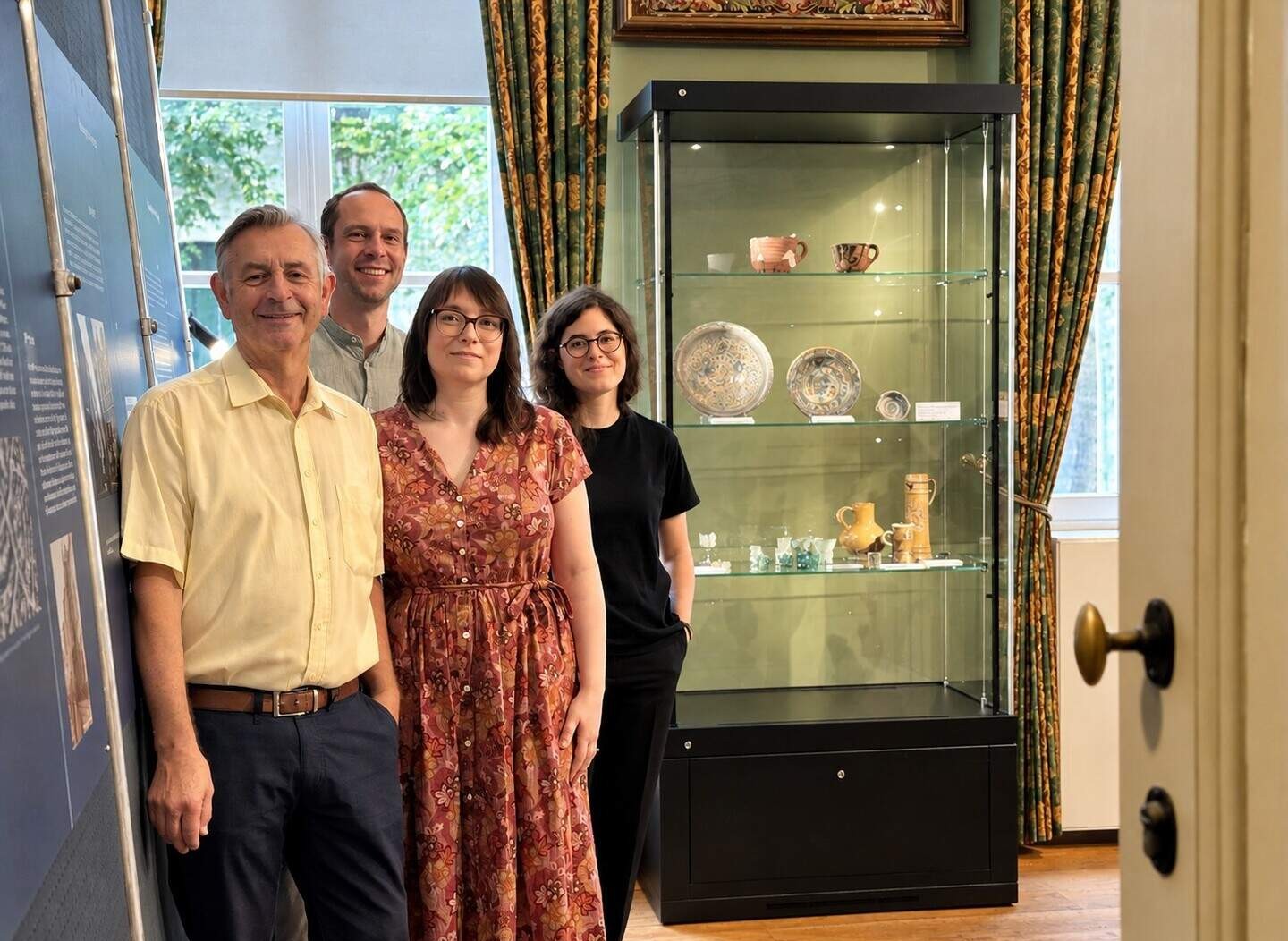
The story is now featured in a new temporary exhibition called “Saved at the Last Moment!” in Mechelen. The exhibition tells the story of the three historic buildings, their decline, restoration and the archaeological discoveries made there.
The buildings themselves also escaped destruction. After years of neglect, De Koning van Engeland and Het Gulden Hoefijzer were restored in the early 1990s and are now among the notable historic buildings in central Mechelen.
Archaeologists hope the exhibition will encourage people to come forward with other privately held archaeological collections. They believe many historical objects discovered during older renovation projects may still be stored in homes and could provide valuable information about Mechelen’s past.