
Why Are French High School Students Protesting in 2026?
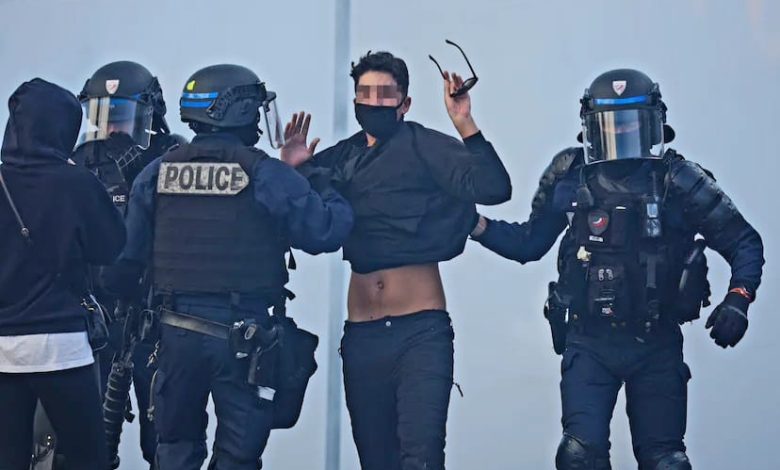
France is facing a major wave of high school student protests, with demonstrations spreading from the Paris region to cities across the country.
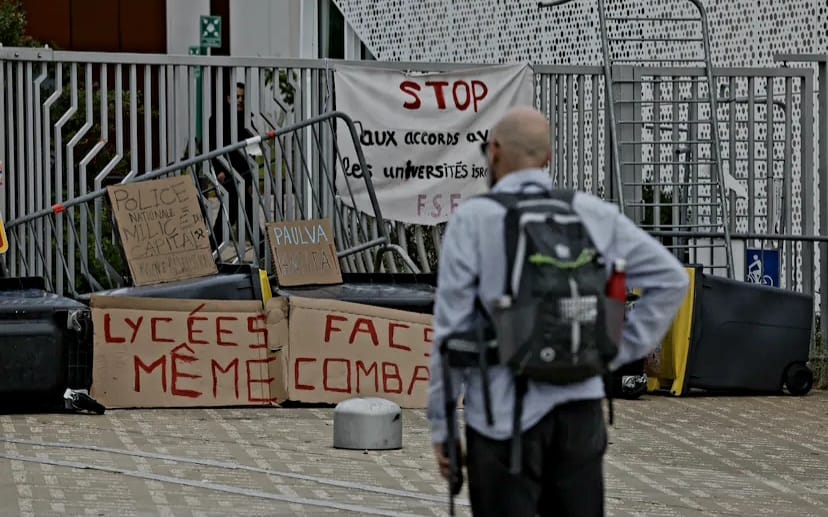
What started as protests at a small number of high schools in the Paris suburbs has grown into a much larger national movement. Students have blocked school entrances, joined demonstrations and called for better conditions inside French schools.
But why are French high school students protesting?
The answer is not simply one new law or one political issue. Students have raised several complaints about everyday life at school, including teacher shortages, overcrowded classrooms, poor school buildings, heavy schedules and anxiety about their future.
At the same time, some protests have turned violent, creating a separate debate about vandalism, clashes with police and the role of political groups.
Here is what is behind the protests and why they have spread so quickly.
How Did the Protests Start?
The current movement began around September 21, 2026, at Lycée Saint-Exupéry in Créteil, a suburb southeast of Paris.
Students were frustrated by problems at their school, including unfilled teaching positions and difficulties with their daily education. The protests then spread to other schools in the Paris region.
By September 28, French authorities said around 180 high schools had been affected by student actions. By October 1, the number had risen dramatically.
France’s Education Ministry said more than 1,020 high schools were affected by strikes or protests on October 1, including 222 schools that were blocked.
That meant roughly one out of every four high schools in France was affected that day.
The speed of the movement has been one of its most notable features.
Social media platforms such as Snapchat, Instagram and TikTok have helped students share information, organize demonstrations and spread videos from schools across France.
What Are Students Angry About?
There is no single demand shared by every student. Different schools have different problems, but several complaints appear repeatedly across the country.
Students have talked about a lack of teachers, overcrowded classrooms, damaged or poorly maintained buildings, demanding schedules and concerns about the university admissions system.
In other words, many students say the problem is not just about politics.
They are talking about what they experience every day when they go to school.
Teacher Shortages
One of the biggest complaints is the lack of teachers and other school staff. When teachers are absent and replacements cannot be found, students can lose class time or have their schedules changed.
This can be especially frustrating for teenagers preparing for important exams or trying to meet the requirements for university.
The issue is complicated because France is also changing the way it recruits and trains teachers.
For the 2026 recruitment session, the Education Ministry said 13,343 positions were offered in the public secondary education system, with 12,923 candidates admitted. The ministry reported that 96.1% of the positions would be filled nationally.
These figures show that France is actively recruiting teachers, but they do not mean every school has all of the staff it needs at every moment.
That difference is important. A national recruitment number can look strong while students in a particular school are still dealing with missing teachers.
Overcrowded Classrooms
Students are also complaining about crowded classrooms. According to France’s Education Ministry, the average class size in middle and high schools was expected to be about 25.3 students at the start of the 2026-2027 school year.
An average, however, does not tell the whole story. Some schools and communities can have very different conditions from the national average.
Students in the protests have described classrooms that feel too crowded and learning environments where it is difficult to receive enough individual attention.
For teenagers preparing for major exams, this can become a serious source of frustration.
Problems With School Buildings
Another major complaint involves the physical condition of some school buildings.
Students in several cities have complained about buildings that need repairs, outdated facilities and equipment that does not work properly.
In some schools, students have described problems with basic conditions inside their classrooms. Reports from the current protests have included complaints about deteriorating buildings and, in some cases, poor hygiene conditions.
These problems are particularly visible in some working-class areas around Paris. Students there argue that the quality of their school environment can be very different from what students experience in wealthier areas.
That has turned the protests into a wider discussion about inequality in the French education system.
The Stress of Parcoursup
Another important issue is Parcoursup. Parcoursup is France’s national online platform used by students to apply for higher education after high school.
For many teenagers, the process can be stressful because their future education depends on decisions made through the system.
Students have repeatedly mentioned anxiety connected to Parcoursup during the current protests.
For a teenager already dealing with exams, school pressure and uncertainty about the future, the university application process can add another layer of stress.
This helps explain why the protests are not only about classrooms and buildings. They are also about what students believe their future will look like after graduation.
Why Are Students From Working-Class Areas So Visible?
The movement first became particularly strong in Paris’s poorer suburbs. Areas such as Seine-Saint-Denis have long faced concerns about social inequality, poverty and differences in access to public services.
Students from these areas say they often feel that their schools do not receive the same level of resources or attention as schools in wealthier parts of Paris.
During the protests, some students compared their school conditions with those of students in more privileged areas.
This has given the movement a broader social dimension. The protests are therefore not only about whether a teacher is present in a classroom on a particular day. Some students see the situation as part of a much larger question about equal opportunity in France.
Why Did the Protests Spread So Quickly?
Social media has played an important role. Students can now see what is happening at other schools almost immediately.
A video recorded outside one school can reach thousands of teenagers in another city within minutes. Protest organizers have used Snapchat, TikTok and Instagram to communicate and encourage students in other schools to participate.
This creates what French authorities have described as an amplification effect. Once students saw that other schools were protesting similar problems, more young people became willing to join.
The movement also expanded beyond the Paris region to cities including Lyon, Lille, Bordeaux, Marseille and others.
Is This Only a Political Protest?
No. The political dimension is now an important part of the story, but the protests did not begin as a clearly organized national political campaign.
The initial movement emerged from individual schools, where students were complaining about their own education conditions. As the movement expanded, political groups became involved.
The French government has accused the left-wing party La France Insoumise, or LFI, of exploiting or helping fuel the protests.
LFI has rejected the government’s characterization and has argued that the students have legitimate reasons to protest.
The exact role of political groups has therefore become a major point of disagreement.
What is clear is that the movement has become politically charged as it has grown.
Why Has the Situation Become Violent?
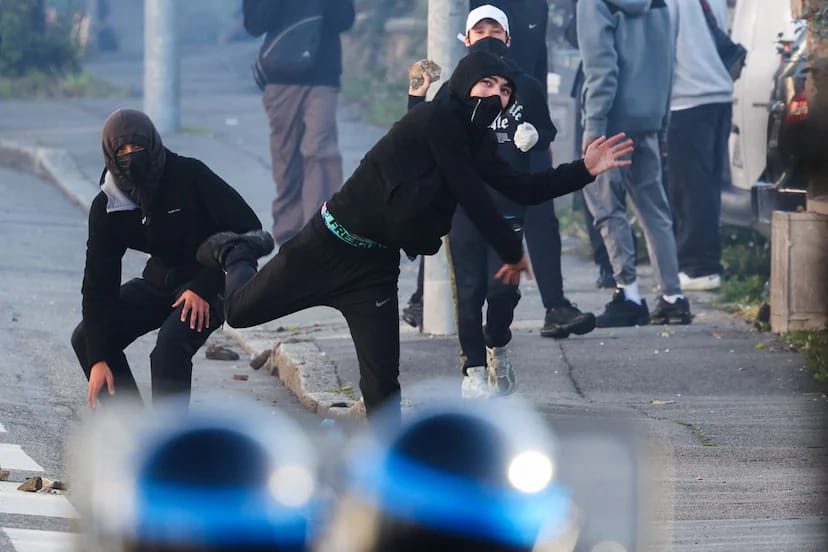
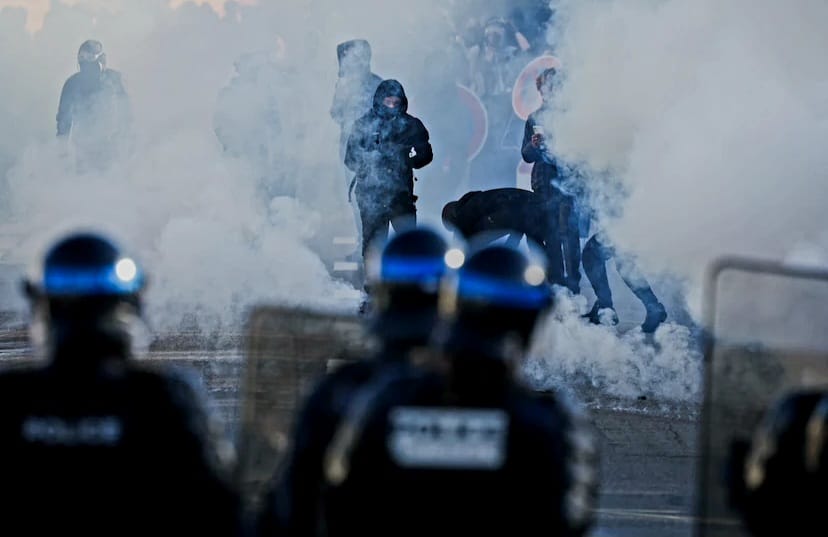
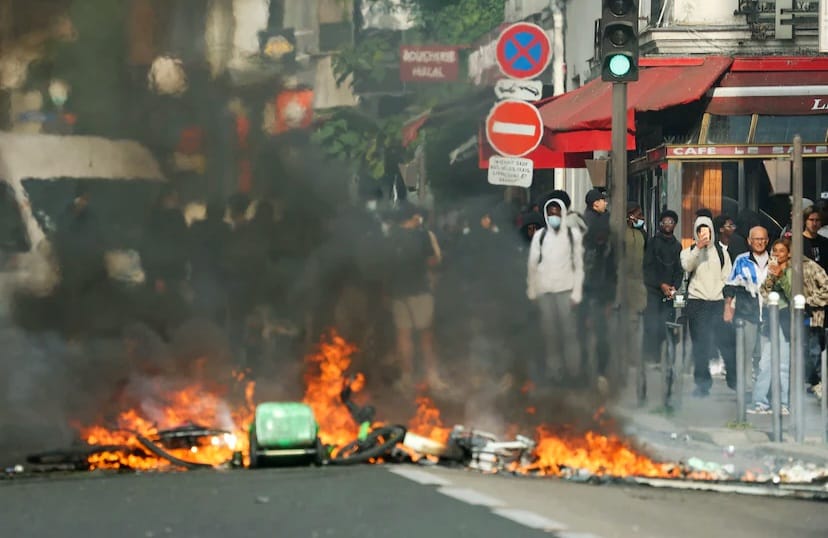
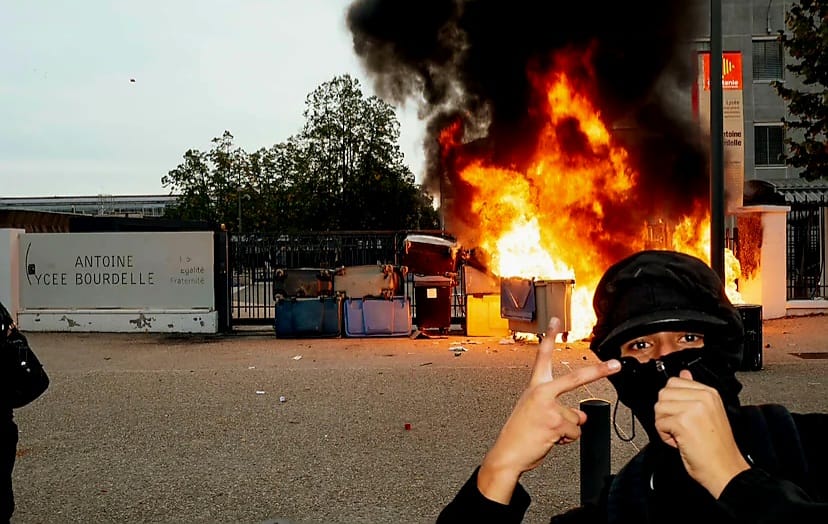
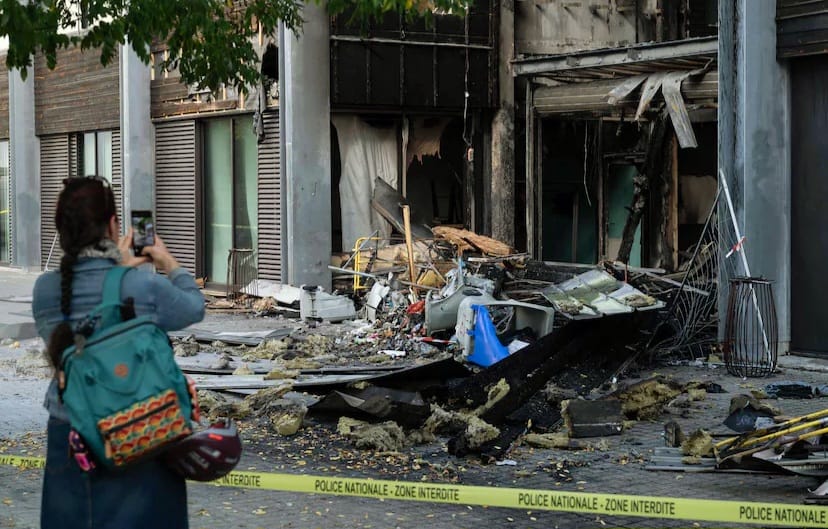
Most student complaints concern education, but not every protest has remained peaceful. Some demonstrations have involved blocked school entrances, fireworks, property damage, fires and clashes with police.
There have also been reports of young people who were not students at the affected schools becoming involved in some incidents.
This has made it harder to separate the original student demands from the violent incidents surrounding some demonstrations.
Le Monde reported that the movement had become increasingly mixed, with some students demonstrating for better education conditions while other groups appeared more interested in confrontation.
That distinction matters because not every person taking part in the unrest necessarily has the same goals.
The Police Response
The police response has become another major source of tension. As protests grew, authorities increased the number of police officers deployed around schools and demonstrations.
The government has described some of the later incidents as urban violence rather than ordinary student demonstrations.
On October 2, French authorities said that nearly 2,000 people had been arrested during the unrest, according to reporting by Le Monde.
Other reports have described a larger number of arrests as the protests continued.
At the same time, human rights groups, unions and critics have questioned whether some police responses were excessive, particularly when minors were involved.
French authorities argue that police intervention is necessary when demonstrations involve violence, fires or attacks. The debate over policing has therefore become another part of the wider conflict.
Why Are the 2027 Budget Plans Part of the Story?
Money is another important part of the current debate. The protests are taking place as France prepares its 2027 budget.
The government is under pressure to reduce its large budget deficit and control public spending. At the same time, education groups and students are demanding more resources for schools.
Reuters reported that the government’s planned 2027 education budget increase is around 1.7%, below the rate of inflation. Critics argue that this would not be enough to solve the problems they see in schools, while the government is trying to balance education spending with broader budget pressures.
This creates a difficult situation.
Students want better schools.
Teachers want better working conditions.
The government says it must also control public finances.
Those competing pressures have helped turn school conditions into a national political issue.
Are Students Protesting Against the Education System or the Government?
For many students, the answer appears to be both, but for different reasons. Some are focused almost entirely on their school.
They want teachers to be replaced when they are absent, classrooms to be repaired and schools to have enough resources.
Others have connected their complaints to broader concerns about inequality, university admissions, social policy and France’s political direction.
That is one reason the movement has become difficult to define. It is not a single organization with one simple list of demands. Different students are protesting for different reasons.
Why Are Some Students Worried About Their Future?
The protests also reflect a broader sense of uncertainty among some young people. Students approaching graduation face decisions about university, vocational education and employment.
At the same time, they are growing up during rapid technological and economic changes. Some students interviewed during the protests have mentioned concerns about climate change, artificial intelligence and the future of work, alongside worries about French politics.
These concerns go beyond the classroom. For some teenagers, the school protest has become a way to express frustration about what they believe awaits them after graduation.
Is This the Biggest French Student Protest in Years?
The current movement is already being described by French media as one of the country’s most significant youth mobilizations in decades.
The movement grew from a small number of schools in late September to more than 1,000 affected high schools by October 1.
Le Monde described it as one of the strongest youth movements since the major student mobilizations of 2018.
However, the situation is still developing.
The number of participating schools, arrests, demonstrations and clashes can change quickly.
It is therefore important to distinguish between the situation on a particular day and the longer-term future of the movement.
What Is the French Government Doing?
The government has taken several steps as the protests have expanded.
Education Minister Édouard Geffray has met with student representatives, teachers’ unions and parent associations.
The ministry has also indicated that it wants to discuss the concerns raised by students and work on what it describes as school democracy.
At the same time, the Interior Ministry has increased police deployments around areas where protests have become violent. This means the government’s response has two different sides.
One is an attempt to address the education problems raised by students. The other is an effort to stop violence, protect schools and maintain public order.
What Happens Next?
The biggest question is whether the protests will continue to grow or begin to lose momentum. Several factors could influence what happens next.
If students believe the government is seriously addressing teacher shortages, school conditions and other problems, some protests could lose support.
If students believe that their concerns are being ignored, the movement could continue. The role of political groups will also remain controversial.
And if clashes with police or damage to schools continue, the government’s security response could become an even larger part of the story. For now, the situation remains fluid.
The Bigger Issue Behind the Protests
The current unrest is about more than students blocking school entrances. At its center is a basic question: what should students expect from the public education system?
Students are asking for classrooms where they can learn, teachers who are available, buildings that are properly maintained and a clearer path toward higher education and employment.
The French government, meanwhile, has to deal with staffing, education reforms and major financial pressures.
France’s Education Ministry says the country is continuing to invest in education. For the 2026 school year, the ministry reported a budget increase of 200 million euro compared with 2025 and nearly 5,900 additional positions across the education system.
But national spending figures do not necessarily resolve the problems experienced by students at a specific school.
That gap between national policy and everyday life may be one of the most important reasons the protests have gained attention.
The French high school protests of 2026 have several causes rather than one. Students have raised concerns about teacher shortages, crowded classrooms, school buildings, heavy schedules and the stress surrounding the transition from high school to higher education.
The movement began in the Paris suburbs and spread rapidly through social media to schools across France.
As it expanded, political groups became involved, while some demonstrations turned violent. That has created a second conflict between protesters and authorities over policing, public order and the limits of student demonstrations.
The original education complaints, however, remain an important part of the story. The protests show that many young people in France want their concerns about school and their future to be taken seriously.
Whether the government can address those concerns while also restoring calm will determine what happens next.