
Brussels Prosecutor Says Justice Lacks Credibility Against Drug Gangs
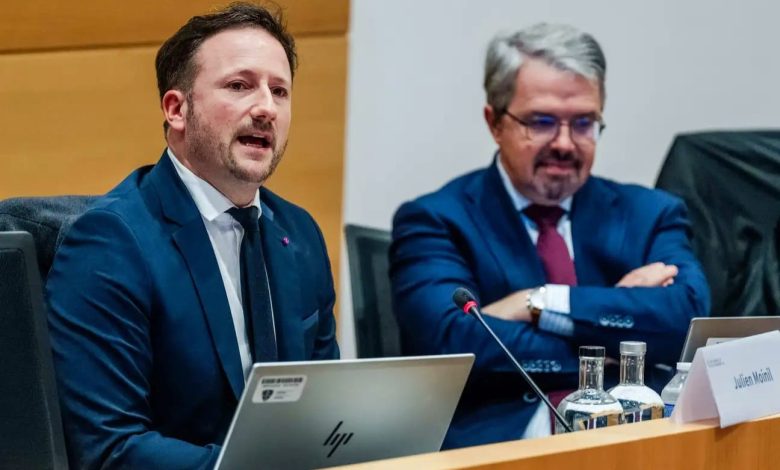
Brussels’ chief prosecutor, Julien Moinil, has warned that Belgium’s justice system is struggling to deter organized crime, despite efforts to investigate drug-related shootings and bring suspects to justice.
Speaking before the Belgian Chamber of Representatives’ Justice Committee on Tuesday, October 20, Moinil said criminal organizations have become so powerful and financially well-resourced that they may not fear the consequences of their actions.
His comments came during a parliamentary hearing on recent shootings in Brussels, where prosecutors discussed the challenges facing the justice system and the measures needed to tackle drug-related violence.
More Than 120 People Jailed Over Shootings
Moinil defended the work of the Brussels Public Prosecutor’s Office, saying investigators have made significant progress in solving shooting cases.
According to figures he presented, the office secured the detention of more than 120 people in connection with shootings. Authorities also identified 15 minors who were placed in specialized youth care.
Despite these results, the violence continues. Moinil argued that the justice system needs to become more effective at deterring organized crime, particularly the leaders of drug trafficking networks.
Delays in Court Proceedings Raise Concerns
One of Moinil’s main concerns is the time it takes for some criminal cases to reach a verdict.
He said proceedings against street-level drug dealers can take around a year to reach judgment in the Dutch-speaking court system in Brussels. He argued that faster trials are essential to ensure that offenders face consequences without unnecessary delays.
Moinil also criticized aspects of Belgium’s early-release rules, arguing that wealthy leaders of drug gangs can use their financial resources and access to expensive lawyers to secure more favorable outcomes.
He called for the government to implement measures outlined in its coalition agreement, including changes intended to speed up criminal proceedings and strengthen the response to organized crime.
Drug Gangs Continue to Exploit Prison Weaknesses
The prosecutor also raised concerns about criminal networks operating from inside prisons.
Although 12 mobile phone jammers have been activated in Belgian prisons, Moinil said they have not fully solved the problem. According to him, detained gang members can still ask other prisoners to make calls on their behalf.
He also highlighted delays in post-sentence supervision. In cases involving suspended sentences with probation conditions, the first meeting with French-speaking judicial support services can take up to 18 months, he said.
These delays, he argued, weaken the overall criminal justice process.
Prosecutors Call for a Stronger Justice System
Brussels Prosecutor General Frédéric Van Leeuw also addressed the parliamentary committee, focusing on delays at the appeals court.
He proposed allowing broader settlements in certain appeal cases to help reduce the long-standing backlog. He argued that this could free up judicial resources, generate revenue and prevent victims from waiting years for a final decision.
Moinil stressed that tougher enforcement alone will not solve Brussels’ drug problem. He also called for action on the social factors that can contribute to criminal activity, including school dropout rates and family and social instability.
His message was that Belgium needs both an effective justice system and measures that address the conditions that make young people vulnerable to criminal networks.