
Brussels Riots: Police Union Demands Tougher Action
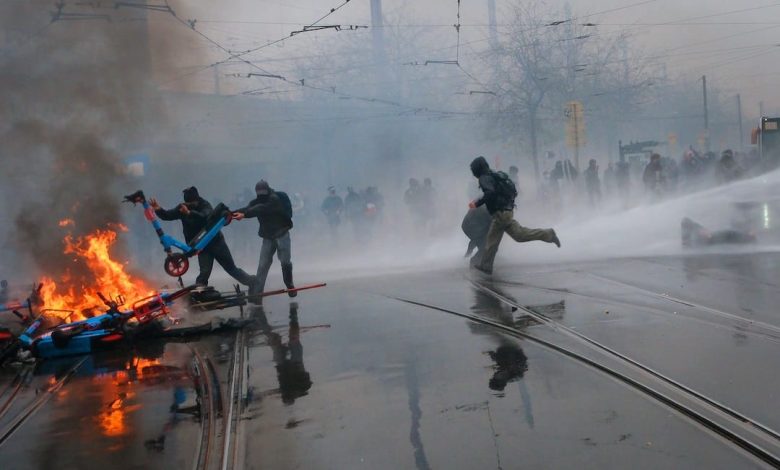
Police union officials in Belgium are calling for tougher action against people who join demonstrations with the intention of causing violence, following serious riots in Brussels that left vehicles and public property damaged.
Vincent Houssin, a representative of the SLFP police union, known in Dutch as VSOA, says local and federal authorities must take a firmer approach to people who use public protests as an opportunity to attack police officers and destroy property.
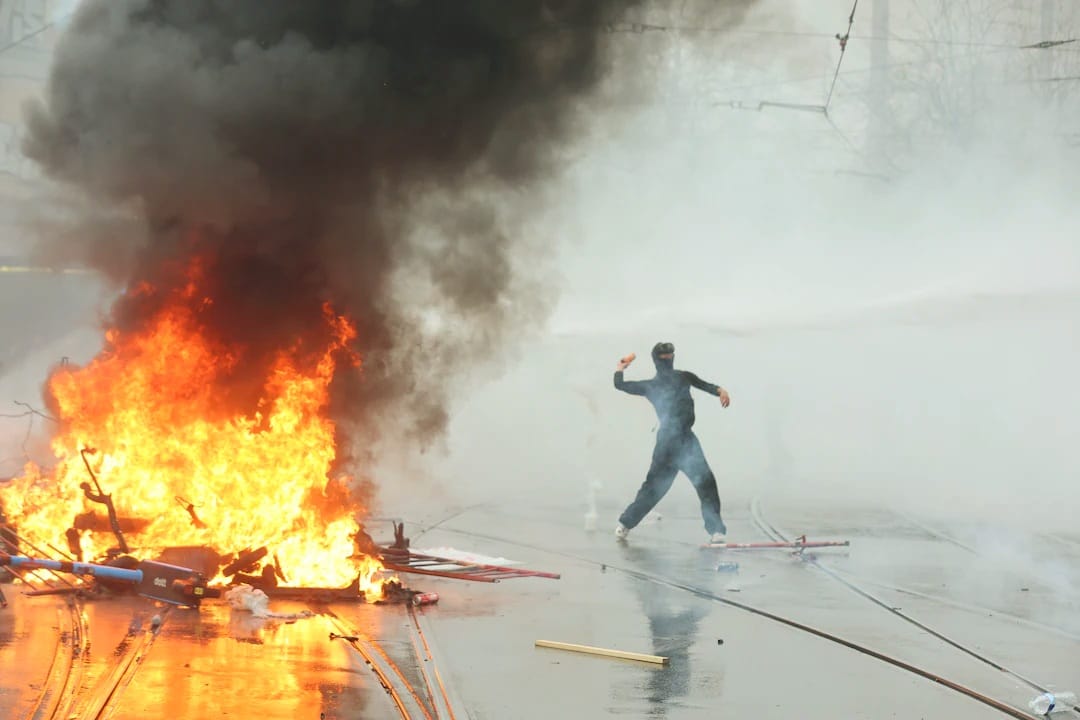
The unrest broke out during a trade union demonstration in Brussels on Thursday, October 8. While the official protest remained peaceful, individuals who were not part of the organized demonstration allegedly sparked violent clashes in several parts of the city.
Violence Breaks Out Near Brussels Train Stations
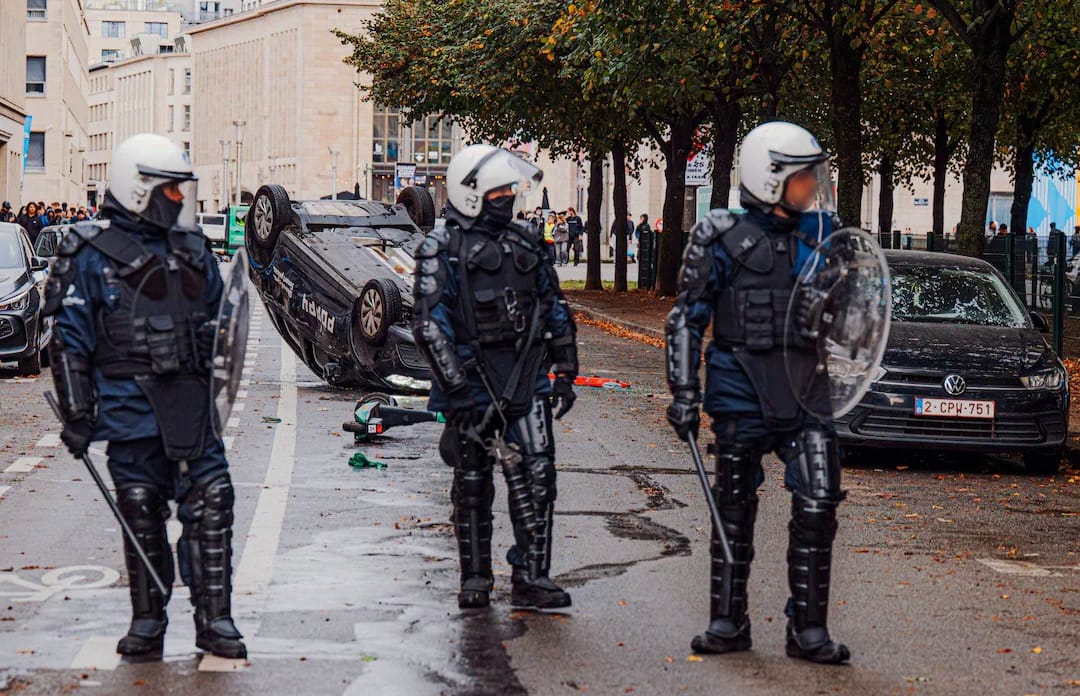
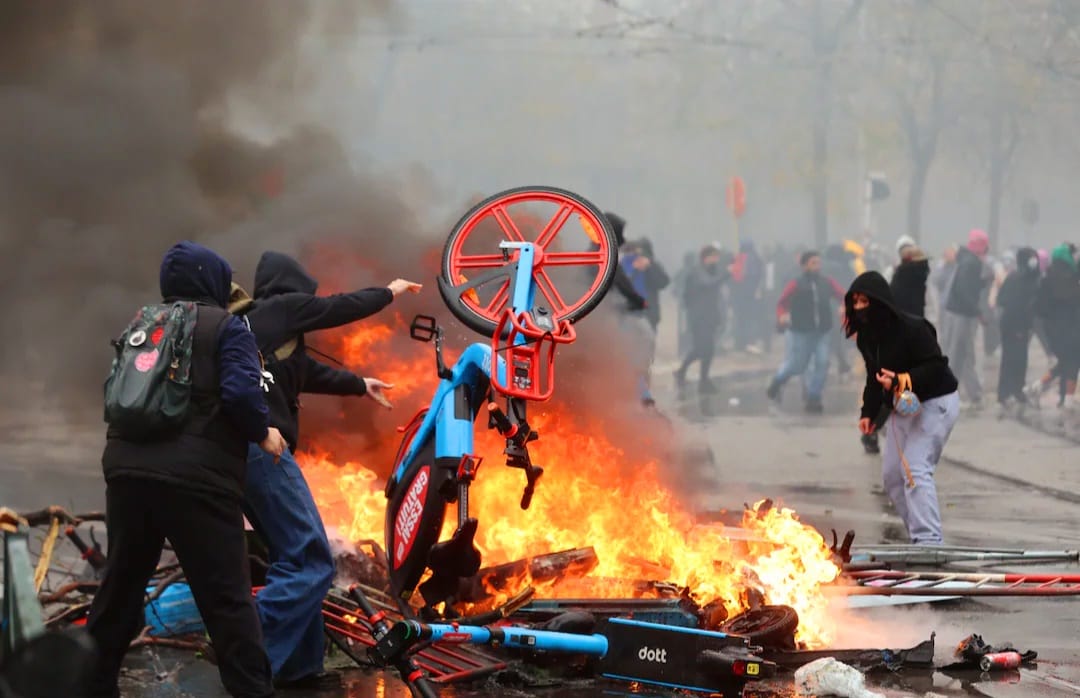
According to reports, rioters damaged cars, buses and bus shelters. Shared bicycles and electric scooters were also set on fire.
Clashes continued for hours around Brussels-Central and Brussels-South railway stations, where groups of troublemakers confronted police officers.
Officers were targeted with paving stones, glass bottles, sticks and other objects. Police eventually used water cannons and tear gas to disperse the crowds.
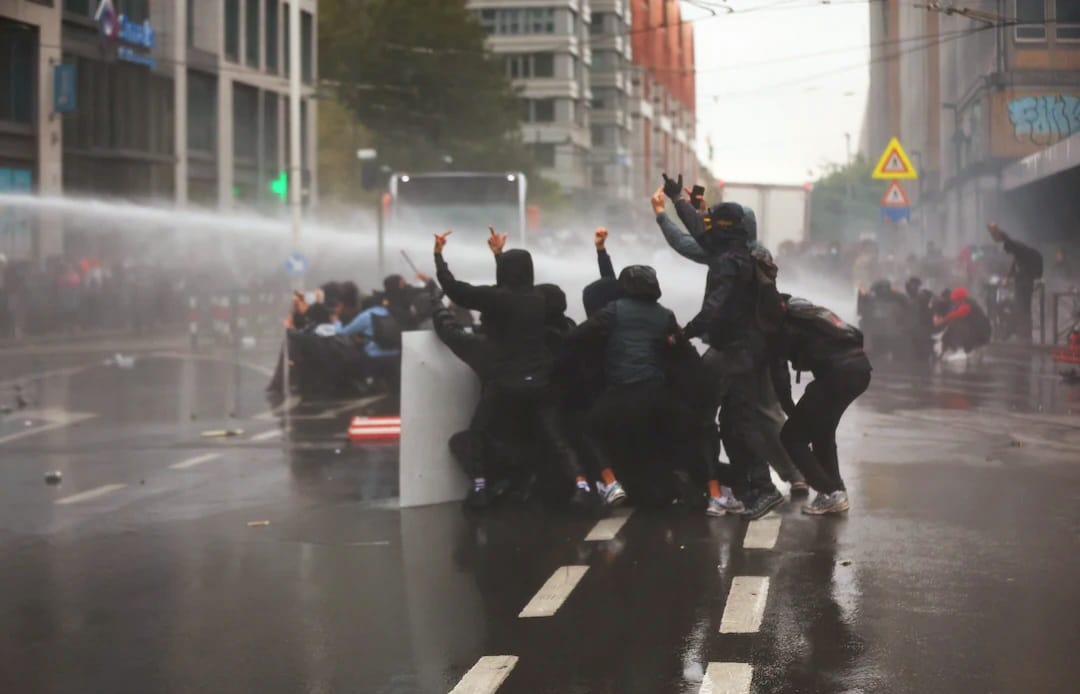
Both police representatives and the organizers of the trade union demonstration stressed that those responsible for the violence were not part of the official protest.
The distinction is important because demonstrations are a regular part of public life in Belgium, where trade unions frequently organize rallies over wages, working conditions and government policies.
Police Union Wants Masked Individuals Removed Quickly
Houssin argues that authorities should intervene earlier when individuals arrive at demonstrations apparently prepared for violence.
He says people who show up at train stations wearing masks and carrying themselves in a suspicious manner should be identified and, where there are legal grounds, removed from demonstrations or arrested.
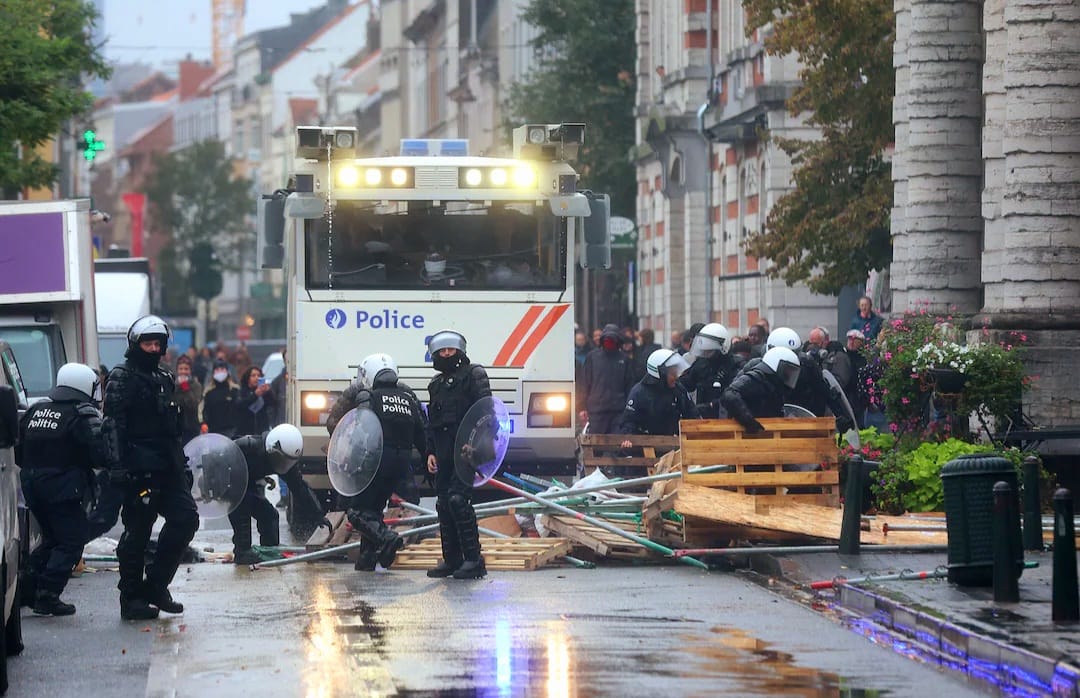
He also called for a stricter approach from local authorities in Brussels and Liège, as well as the federal government and Interior Minister Bernard Quintin.
Belgium generally relies on a system of negotiated protest management. Under this approach, authorities and demonstration organizers agree in advance on matters such as the route and the conditions under which a rally will take place.
Houssin says this system works well when dealing with organized groups that respect the agreed rules. However, he argues that it becomes much harder to manage a demonstration when outside groups join the crowd intending to provoke violence.
He believes a stronger and earlier response would help protect peaceful demonstrators while making it easier for police to deal with those responsible for disorder.
Union Accuses Authorities of Failing to Act
The police union representative also criticized political leaders, arguing that public statements promising a tough response have not always translated into practical action.
Houssin said officers are being forced to work under difficult conditions and accused local and federal authorities of failing to establish clear limits on violent behavior.
He also questioned whether the government’s response would be strong enough to match the damage caused during the Brussels riots.
His position is that a faster, more coordinated response could prevent violence from escalating and reduce the financial burden on taxpayers, who may ultimately face the cost of repairing damaged public infrastructure.
Houssin further proposed establishing a command center under the Interior Ministry to improve coordination and strengthen the government’s response to public disorder.
Debate Grows Over Young People Involved in Violence
The incidents have also sparked debate over how those involved should be described, particularly after reports that some of the people taking part in the unrest were very young.
Houssin rejected descriptions of the troublemakers as simply young people or students, arguing that such labels do not adequately describe individuals accused of attacking police officers and destroying property.
Reports indicated that some participants may have been as young as 12, although their ages and individual involvement would need to be established by authorities.
The controversy comes amid wider tensions over student protests in Belgium. Demonstrations against education reforms in Wallonia also turned violent in Liège earlier in the week.
Interior Minister Bernard Quintin previously told parliament that security services had reported alleged infiltration by anti-fascist groups during student protests. Such claims remain distinct from the established facts about the Brussels demonstration and should not be taken as proof that any particular group was responsible for the violence there.
Peaceful Protesters and Public Safety
The Brussels clashes have renewed questions about how Belgium can protect the right to demonstrate while preventing violent individuals from exploiting large public gatherings.
For police representatives, the priority is to identify potential troublemakers early, ensure officers have enough personnel to respond, and make sure those responsible for violence face appropriate legal consequences.
At the same time, the police union’s calls for tougher intervention raise questions about how authorities can distinguish genuine threats from peaceful protesters without undermining the right to assemble.
The central issue is not the right to protest, but how to prevent violence from overshadowing demonstrations and putting officers, bystanders and public property at risk.