Google AI and Breast Cancer Screening in Belgium
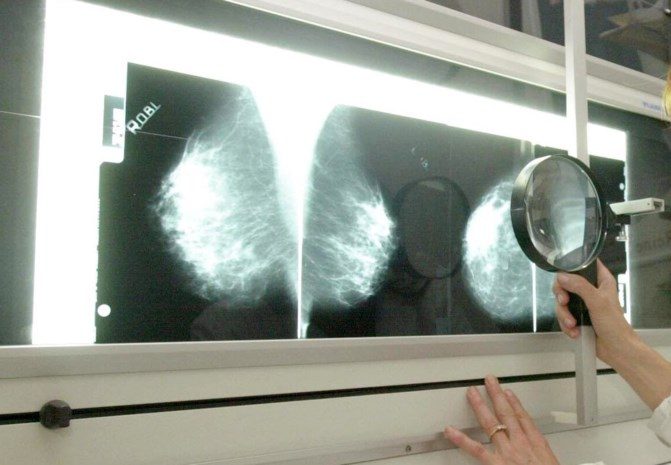
Artificial intelligence could help doctors detect breast cancer earlier and more accurately. Google has developed AI technology designed to analyze mammograms, the X-ray images used to screen for breast cancer. Research suggests that the technology could help radiologists identify signs of cancer that might otherwise be missed.
But what does this mean for women in Belgium? Can Belgian patients already benefit from Google’s AI tool, and is it a treatment for breast cancer?
The important distinction is that Google’s technology is designed to support breast cancer screening and detection, not to treat the disease. Its use in Belgium is also subject to local medical guidelines and ongoing research.
How Does Google’s Breast Cancer AI Work?
Google’s breast cancer AI analyzes mammograms and looks for patterns associated with cancer. It is designed to help radiologists interpret medical images and identify suspicious areas that may require further investigation.
The technology was evaluated in a study published in the scientific journal Nature in January 2020. Researchers compared the AI system’s predictions with the results of examinations performed by human specialists.
The evaluation included more than 25,000 women in the United Kingdom and more than 3,000 women in the United States.
The results were promising. Compared with human readers, the AI system reduced false-negative results by 2.7% in the UK dataset and 9.4% in the US dataset. It also reduced false-positive results by 1.2% in the UK and 5.7% in the US. These figures represent reductions reported in the study, not a 99% overall accuracy rate.
A false negative occurs when a screening examination fails to identify cancer that is present. A false positive occurs when a result suggests cancer may be present, but further testing does not confirm it.
Reducing both types of errors could improve screening and help some patients receive further medical assessment sooner.
Can Google’s AI Detect 99% of Breast Cancers?
Claims that Google’s AI detects breast cancer with 99% accuracy should be treated with caution.
The original research did not establish that the system detects 99% of all breast cancers in routine clinical practice. Instead, it measured how the AI performed against human specialists using specific datasets and defined outcomes.
The results also differed between the UK and US groups, demonstrating why performance figures must be interpreted in context.
A system that performs well in one study may produce different results when used with different patient populations, imaging equipment or screening procedures.
For that reason, researchers need further clinical evaluation before an AI system can be relied on as part of routine screening.
Is Google’s Breast Cancer AI Available in Belgium?
Belgium has established breast cancer screening programs, but the use of AI depends on the region and the applicable medical guidelines.
In Flanders, the official breast cancer screening program offers women aged 50 to 69 a free screening mammogram every two years. The program aims to detect breast cancer before symptoms appear.
The Flemish authorities have also published guidance on the use of AI in screening mammography.
According to the Centre for Cancer Detection and the Flemish Department of Care, AI is not prohibited during the first reading of screening mammograms. However, AI is not currently used for the second reading within the population screening program. The authorities are examining whether AI-assisted screening should be studied further, and they have not yet recommended a specific validated system for wider adoption.
This does not mean that Google’s specific technology is routinely available in Belgian hospitals. Permission to use AI in a particular part of a screening process is not the same as approval or adoption of Google’s own system.
Patients should therefore not assume that their mammograms are being analyzed by Google’s AI. If you want to know whether AI is used at your screening center, ask the medical team.
New Research Published in 2026
Research into AI-assisted breast cancer screening has continued since Google’s original study.
A study published in Nature Cancer in 2026 evaluated Google’s mammography AI system using 115,973 mammograms from five UK National Health Service screening services. The researchers also conducted a prospective, non-interventional feasibility study involving 9,266 cases across 12 sites.
In the retrospective analysis, the AI system showed higher sensitivity than the first human reader while meeting the study’s criteria for non-inferior specificity. The researchers also reported an increase in the cancer detection rate in that analysis.
These findings provide additional evidence that AI could help improve breast cancer screening. However, the study was conducted in the UK, and its results do not establish that the same system is routinely used or has been adopted throughout Belgium.
Further research and evaluation under Belgian screening conditions remain important.
Can Artificial Intelligence Replace a Doctor?
No. AI should be viewed as a potential support tool for medical professionals, not a replacement for doctors.
Although AI can recognize patterns in medical images, it can still miss cancers or flag abnormalities that are not cancer. Doctors must consider imaging results alongside a patient’s medical history, symptoms and any additional tests.
When a mammogram shows a suspicious area, a doctor may recommend further imaging, an ultrasound or a biopsy to determine whether cancer is present.
AI-assisted screening may eventually help clinicians work more efficiently and consistently, but patients still need appropriate medical assessment and follow-up.
What Should Women in Belgium Do About Breast Cancer Screening?
Women in Belgium should continue to follow the screening recommendations that apply to their age, medical history and individual risk.
In Flanders, women aged 50 to 69 are offered a free screening mammogram every two years through the population screening program.
If you notice a breast lump, a change in breast shape, skin dimpling, nipple changes or unusual discharge, do not wait for your next routine screening appointment. Contact your GP or gynecologist for medical advice.
People with a strong family history of breast cancer or other risk factors may need an individualized screening plan.
The Future of AI in Breast Cancer Screening
Google’s research has helped demonstrate the potential of artificial intelligence to support breast cancer detection. Newer studies are continuing to evaluate whether these systems can improve screening accuracy and efficiency in real healthcare settings.
For Belgium, the key question is no longer simply whether AI can analyze mammograms. It is how validated systems can be introduced safely, fairly and effectively into existing screening programs.
For now, AI is a promising area of medical research, but it is not a treatment for breast cancer and should not replace recommended screening or professional medical advice.