How to Keep Your Home Cool in Belgium Without AC?
Keeping your home or apartment cool during summer in Belgium can be challenging, especially during a heat wave. Temperatures can rise quickly indoors, making it difficult to sleep, work or relax comfortably.
But you do not necessarily need air conditioning to make your home more comfortable. By blocking sunlight, ventilating at the right time and reducing indoor heat sources, you can help keep your home cooler while saving energy.
Here are practical ways to keep your home cool in Belgium without air conditioning.
1. Open Your Windows at the Right Time
Opening every window during the day might seem like the best way to cool your home. However, if the outdoor temperature is higher than the temperature inside, doing so can make your home even hotter.
Instead, follow these simple rules:
- Keep windows and doors closed during the hottest hours if the air outside is warmer than indoors.
- Close windows exposed to direct sunlight to limit the amount of hot air entering your home.
- Open windows in the evening, at night and early in the morning when outdoor temperatures drop.
- If possible, open windows on opposite sides of your home to create a cross-breeze.
This technique allows cooler outdoor air to circulate through your home and helps remove heat that has built up during the day.
However, always consider safety when leaving windows open, particularly if you have young children or live in an apartment on an upper floor.
2. Block Sunlight Before It Heats Your Home
One of the most effective ways to keep your home cool is to stop sunlight from entering in the first place.
Sunlight passing through windows heats floors, walls, furniture and other surfaces. These materials can then release heat into the room long after the sun has moved away.
If your home has roller shutters, outdoor blinds or awnings, close them when sunlight begins hitting your windows.
External sun protection is generally more effective than ordinary indoor curtains because it blocks sunlight before it passes through the glass.
If you do not have external shutters, consider these alternatives:
- Close curtains or blinds during sunny hours.
- Choose light-colored curtains that reflect more sunlight.
- Consider suitable solar-control window film to reduce the amount of solar heat entering your home.
- Use an awning or outdoor shade to protect windows and balconies from direct sunlight.
These measures can be particularly helpful in apartments with large windows or rooms that face south or west.
3. Use Fans to Improve Comfort
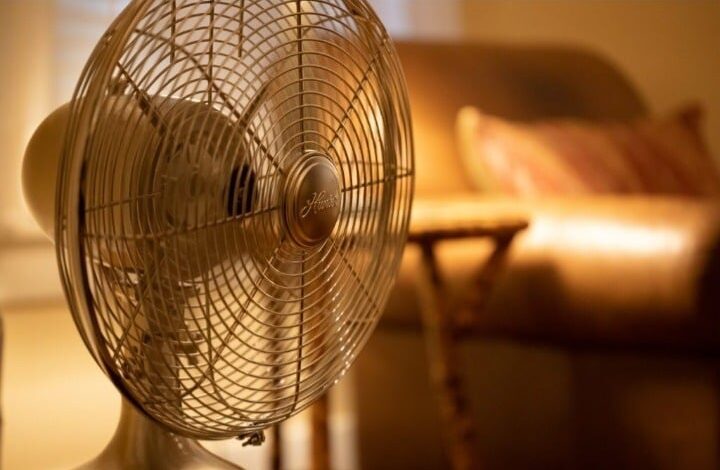
A fan can help you feel cooler without the energy consumption associated with air conditioning.
However, there is an important difference: a standard fan circulates air but does not significantly lower the temperature of the room itself.
To get the most from a fan, place it where it can improve airflow around your body. A fan near an open window may also help move air through your home when the outdoor temperature is lower than the indoor temperature.
You can also place a bowl of ice in front of a fan for a temporary cooling effect nearby. However, this is not a substitute for air conditioning and will not substantially cool an entire room.
Remember that fans are most useful for improving personal comfort. During extreme heat, take additional steps to protect yourself, especially if indoor temperatures remain very high.
4. Avoid Using the Oven During Hot Weather
Cooking can add unwanted heat to your home, particularly in a small kitchen or apartment.
Ovens, stovetops and other heat-producing appliances can raise indoor temperatures when you are already struggling to stay cool.
Instead, choose meals that require little or no cooking, such as:
- Fresh salads with vegetables and beans.
- Sandwiches and wraps.
- Cold pasta salads prepared in advance.
- Yogurt, fresh fruit and other chilled foods.
If you need to cook, try doing it early in the morning or later in the evening when temperatures are lower.
You should also limit the use of other heat-producing appliances, such as tumble dryers, when possible. Drying clothes outdoors or using an indoor drying rack can help reduce unnecessary heat.
5. Turn Off Unused Electrical Appliances
Electrical appliances can contribute to indoor heat, particularly when several are operating in a small room.
During hot weather, switch off equipment you do not need, including computers, televisions, gaming consoles and unnecessary lights.
Modern LED bulbs generally produce less heat than older incandescent or halogen bulbs, so replacing inefficient lighting can help reduce both heat and electricity consumption.
You do not need to unplug every device in your home. Focus on equipment that produces noticeable heat or consumes unnecessary electricity.
Never disconnect essential appliances, such as your refrigerator, simply to keep your home cooler.
6. Drink Plenty of Water and Choose Light Meals
Keeping your home cool is important, but protecting your body from heat is equally necessary.
Drink water regularly throughout the day rather than waiting until you feel thirsty. Eat fresh foods containing water, such as cucumbers, tomatoes, watermelon and strawberries.
A cool shower can also help lower your body temperature and make you feel more comfortable.
Avoid relying on cold meals alone to manage extreme heat. Staying hydrated, resting in a cooler room and limiting strenuous activity during the hottest hours are also important.
Older adults, young children and people with certain medical conditions may be particularly vulnerable during heat waves and may need extra attention.
7. Keep Bedrooms Cool at Night
High indoor temperatures can make sleeping difficult, especially when bedrooms remain warm long after sunset.
To improve your sleeping conditions, close blinds or shutters before direct sunlight heats the bedroom. Keep windows closed while outdoor air is hotter than the air inside.
Once the temperature outside drops, open windows to allow cooler air to enter.
You can also try the following:
- Use lightweight cotton bedding.
- Choose breathable sleepwear.
- Move to the coolest room in your home if your bedroom becomes too hot.
- Keep unnecessary electronic devices switched off.
- Use a fan to improve airflow when appropriate.
If your home has an attic bedroom, pay particular attention to roof insulation. Rooms directly beneath an inadequately insulated roof can become especially hot during summer.
8. Consider Longer-Term Ways to Reduce Indoor Heat
If your home regularly becomes unbearably hot, some improvements can make a difference beyond the current summer.
External shutters, solar screens and awnings can reduce the amount of sunlight entering your rooms. Roof insulation can also help limit heat entering from above.
Other options include:
- Improving roof and wall insulation where appropriate.
- Installing suitable solar-control glazing.
- Adding shade from trees or plants where space allows.
- Using balconies, awnings or other shading structures to protect exposed windows.
The best solution depends on your property, budget and the direction your windows face. If you rent an apartment in Belgium, check with your landlord before making permanent changes to windows or the building.
Can You Keep a Belgian Home Cool Without Air Conditioning?
Yes. Many homes can remain more comfortable during summer without air conditioning if heat is kept outside and cooler air is allowed in at the right time.
The most important steps are to close windows when outdoor air is hotter than indoor air, block direct sunlight with shutters or blinds, ventilate during cooler hours and avoid unnecessary indoor heat.
These measures may not be enough to keep every home cool during an extended heat wave, particularly in poorly insulated buildings or apartments that receive strong afternoon sunlight. Nevertheless, they can help reduce overheating and improve comfort without relying on air conditioning.
For people living in Belgium, the key is to prepare before temperatures rise: shade your windows early, manage ventilation carefully and make the most of cooler evenings and mornings.