The Downsides of Working From Home, According to Belgian Psychologists
Working from home may offer flexibility and convenience, but Belgian psychologists warn that doing it full-time for extended periods can have serious downsides. Social isolation, longer working hours and growing pressure on family life are among the main concerns.
During the COVID-19 pandemic, working from home became mandatory for many employees in Belgium. Although remote work can improve quality of life for some people, experts say that being required to work from home under stressful circumstances is very different from choosing to do so.
In a report, a group of psychologists and COVID-19 experts affiliated with several Belgian universities called for a better balance between working from home and working in the office once the public health situation allowed it. They warned against making remote work the default for everyone when restrictions could safely be relaxed.
Remote Work Became a Major Challenge in Belgium
At the end of October during the pandemic, working from home once again became the norm in Belgium as authorities tried to limit the spread of COVID-19.
According to figures cited at the time, the share of Belgian employees working remotely at least one day a week rose from 16.9% to 62%. Remote work was required wherever possible.
Psychologists described the change as sudden and dramatic. Many employees and employers had little experience with remote work and were forced to adapt quickly to virtual meetings and new ways of collaborating.
Experts said employers needed to recognize the pressure this created. Working from home during a public health crisis is not the same as choosing a flexible remote-work arrangement under normal circumstances.
How Working From Home Can Affect Family Life?
One major concern is the conflict between professional responsibilities and family life.
When work takes place at home, the boundaries between the two can become blurred. Family responsibilities may interrupt work, while professional demands can interfere with time spent with loved ones.
Belgian researcher Van Tielboogh said his team studied teachers during Belgium’s first COVID-19 lockdown. They found that conflicts between work and family life increased quickly.
Sharing a home with a partner, children or roommates can make it harder to find a quiet place to work. However, people who live alone can also experience difficulties, particularly when they lack regular contact with colleagues.
Remote Workers May Work Longer Hours
Another problem is that people working from home may work longer hours than they would in an office.
Some employees skip breaks, continue working beyond their normal schedule or return to work in the evening to finish extra tasks.
Research discussed in the report challenged the assumption that remote workers automatically have more free time or an easier workload. In some cases, employees actually work harder at home.
Longer working hours may appear beneficial to employers in the short term. However, they can leave employees with less time to rest and recover, increasing the risk of exhaustion and other health problems.
Van Tielboogh warned that companies focusing only on short-term productivity could face longer-term consequences if employees begin to struggle with their well-being.
Finding the Right Balance Between Home and Office
Belgian psychologists did not argue that working from home should be abandoned. Instead, they called for a healthier balance between remote work and office-based work.
The report discussed working from home two days a week as one possible approach. However, Van Tielboogh stressed that the ideal arrangement depends on each employee’s circumstances and job.
Some employees benefit from working remotely, while others need regular face-to-face contact with colleagues. The right balance should take individual needs and the nature of the work into account.
The experts also warned that the disadvantages of full-time remote work would not necessarily disappear after the pandemic. Companies planning to make remote work a permanent option should consider its potential effects on employees.
How to Make Working From Home Healthier?
The report recommends that employees take active steps to recover from work and maintain a clear separation between their professional and personal lives.
Practical measures include:
- Set clear working hours and stick to them.
- Choose a dedicated workspace at home.
- Take regular breaks throughout the day.
- Use a consistent routine to start and end the working day.
- Make time for exercise, walks and social activities.
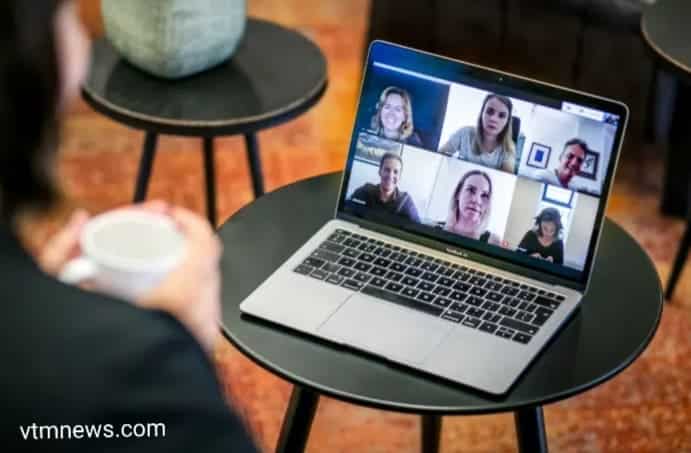
- Stay connected with friends and colleagues, including through video calls.
These habits can help employees switch off from work and reduce the risk of burnout.
What Employers Can Do to Support Remote Workers?
Employers also have a role to play in protecting workers’ well-being.
Psychologists recommend that companies show understanding toward employees with family responsibilities and provide clear expectations about remote work.
Employers can also help staff create a suitable home office, for example by lending them equipment or contributing to the cost of an ergonomic chair.
Just as importantly, managers should avoid creating an expectation that employees must always be available. Constant monitoring can reduce workers’ sense of independence and negatively affect their well-being, the report warned.
Belgian employers also have legal responsibilities concerning remote work, including formal arrangements and clear expectations for employees working outside the office.
Working from home can offer flexibility, save commuting time and improve work-life balance. But when it becomes a full-time requirement, it can also lead to isolation, longer working hours and greater pressure on family life.
Belgian psychologists recommend a more balanced approach that considers both productivity and mental well-being. Clear boundaries, regular breaks, suitable equipment and supportive employers can help make remote work healthier over the long term.