Wrong Bank Transfer in Belgium: What Should You Do?
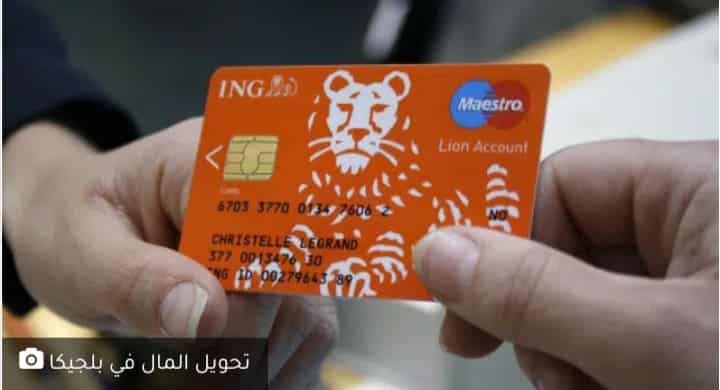
Making a bank transfer in Belgium is quick and convenient. But that also means it is easy to make a mistake.
You might enter the wrong IBAN, choose the wrong person from your saved beneficiaries, pay the same bill twice, or accidentally send too much money.
If you realize that you sent money to the wrong bank account in Belgium, act as quickly as possible. The sooner you contact your bank, the better your chances of recovering the money.
Can You Cancel a Bank Transfer in Belgium?
In most cases, you should not assume that a completed bank transfer can simply be canceled.
Once a transfer has been processed, your bank may need to contact the recipient’s bank and request that the money be returned. This is different from canceling a payment before it is processed.
If you have just made the transfer and realize there is a mistake, contact your bank immediately. Do not wait to see whether the recipient sends the money back.
The Belgian authorities also advise people who have transferred money to the wrong account or to a fraudulent account to contact their bank as quickly as possible. If the money has already been withdrawn or transferred elsewhere, recovering it through the banking system can become much more difficult.
What Can Go Wrong With a Bank Transfer in Belgium?
There are several common mistakes.
You sent the money to an old bank account
If the recipient has closed the account, the transfer may be rejected and the money can return to your account.
However, do not rely on this happening automatically. Check your account and contact your bank if the money does not come back.
You entered the wrong IBAN
A Belgian IBAN contains check digits that help prevent typing errors. However, an incorrectly entered IBAN can still result in a payment problem, particularly if the number happens to be a valid account belonging to someone else.
This is why you should always check the IBAN before confirming a transfer.
You paid the same bill twice
This can happen if you think the first payment failed and submit it again, or simply forget that you already made the payment.
In this situation, contact the company or person who received the money and ask for the duplicate payment to be returned.
You sent too much money
For example, you may have intended to send 150 euro but accidentally entered 1,500 euro.
Contact your bank and the recipient as soon as you notice the mistake.
You selected the wrong beneficiary
Many banking apps allow you to save people and companies that you pay regularly.
It is easy to select the wrong beneficiary, especially when several names look similar.
Check the recipient’s name and IBAN carefully before confirming the payment.
Belgian Banks Now Check the Beneficiary’s Name
There is an important change compared with the old system.
Since October 9, 2025, banks in the euro area have been required to provide a free Verification of Payee service for euro transfers. In Belgium, this is commonly referred to as verification of the beneficiary’s name or an IBAN-name check.
When you make a transfer, your bank checks whether the name you entered matches the name associated with the IBAN.
Depending on the result, you may receive a confirmation, a warning that the names almost match, or a warning that they do not match.
For example, if you enter the wrong name for a private person’s account, your banking app may warn you that the account belongs to someone else.
This is designed to reduce payment errors and certain types of fraud, including fake invoice scams.
However, the check is a warning, not a guarantee.
If the bank warns you that the information does not match and you decide to continue with the transfer, you can still complete the payment. You may then be responsible for the consequences of sending the money to the wrong beneficiary.
What Should You Do If You Sent Money to the Wrong Account?
Take these steps immediately:
1. Contact your bank.
Tell the bank that you made a transfer to the wrong account and provide the date, amount, IBAN and transaction details.
Ask what recovery procedure is available for the transfer.
2. Keep your proof of payment.
Save the transfer confirmation, bank statement, screenshots and any other information showing where the money was sent.
3. Contact the recipient if you know who received the money.
Explain the mistake and politely ask for the money to be returned.
4. Do not send additional money.
If you are dealing with a suspected scam, do not make another payment to “unlock” or recover your money.
5. If you believe it was fraud, report it immediately.
A mistaken transfer is different from a fraudulent payment. If someone tricked you into transferring money, contact your bank immediately and report the fraud through the appropriate Belgian authorities. The Belgian authorities specifically recommend acting quickly because a bank may be able to try to block the transfer or recover the money before it is withdrawn.
What If You Know Who Received the Money?
If you know the person or company that received your money by mistake, contact them as soon as possible.
Explain what happened and request a refund.
In many cases, the easiest solution is for the recipient to return the money voluntarily.
If the recipient refuses to return money that was transferred to them by mistake, you may need to consider formal legal action. Keep all evidence showing the original payment and why the money was sent by mistake.
For larger amounts, getting legal advice in Belgium may be worthwhile before taking further action.
What If You Do Not Know Who Received the Money?
If you entered the wrong IBAN and do not know who owns the account, contact your bank immediately.
Your bank can use the banking system to contact the recipient’s bank and request the recovery of the payment.
You may not receive the recipient’s personal information directly because banks have privacy obligations.
The important thing is to give your bank as much information as possible about the transaction.
What If You Paid a Fake Invoice?
This is more serious than a simple typing mistake.
A scammer may change the bank account on an invoice so that your payment goes to their account instead of the real company.
If you discover that you paid a fake invoice, contact your bank immediately.
The Belgian Federal Public Service Economy advises victims to contact the relevant banks as quickly as possible. The bank may ask the recipient’s bank to return the money and may try to block the transfer or account if the money has not yet been withdrawn.
You should also report the fraud through the Belgian authorities’ ConsumerConnect platform and, where appropriate, report the matter to the police.
What If the Recipient Refuses to Give the Money Back?
A recipient who receives money that was not intended for them should not simply assume that they can keep it.
If the person refuses to cooperate, the situation can become a civil dispute.
Before going to court, keep all evidence and consider sending a formal written request for repayment. For a significant amount of money, it may be useful to speak with a Belgian lawyer about the appropriate legal procedure.
Do not threaten the recipient or take matters into your own hands. Use the proper legal channels if an amicable solution fails.
What If the Transfer Was Not Made by You?
This is an important distinction. If you personally authorized the transfer but entered the wrong IBAN or amount, it is generally treated differently from a payment that you never authorized.
If someone accessed your account and made a payment without your authorization, you may have legal rights to reimbursement under Belgium’s payment-services rules.
The Belgian Federal Public Service Economy states that unauthorized transactions are generally subject to reimbursement rules. In certain circumstances, the customer may be liable for up to 50 euro before reporting the fraud, while there are situations where the customer may have no liability. Gross negligence or knowingly participating in the fraud can affect those protections.
If you see a payment you did not make, contact your bank immediately.
How to Avoid Sending Money to the Wrong Account
A few simple habits can prevent most transfer mistakes.
Always check the IBAN before confirming a payment.
Check the beneficiary’s name.
Pay particular attention when paying a new beneficiary.
Do not rely only on an invoice sent by email if the bank details have suddenly changed. Contact the company using a trusted phone number or another reliable method to confirm the new account details.
Take the time to read the amount before pressing the final confirmation button.
And if your banking app shows a warning about the beneficiary’s name, stop and check the details instead of automatically continuing.
If you accidentally sent money to the wrong bank account in Belgium in 2027, act quickly.
Contact your bank immediately, keep proof of the transaction, and contact the recipient if you know who received the money.
Belgian banks now provide a free beneficiary-name verification service for euro transfers, which makes some payment errors easier to catch before the money is sent. But the system does not automatically reverse a transfer after you approve it.
The most important rule is simple: if you realize that something went wrong, do not wait. Contact your bank as soon as possible.
Related Articles
1. Can Belgium Tax Authorities Check Your Bank Account?
2. Fake Card Stop Worker Steals 17,000 Euro in Belgium.
3. Phishing in Belgium: Fake Tax Refund Email.