Europe Gas Prices Rise Amid Energy Supply Risks
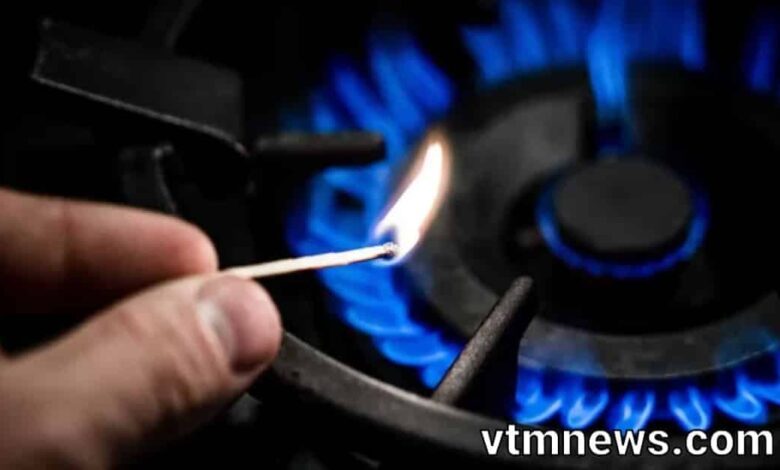
European gas prices can rise sharply when geopolitical tensions threaten energy supplies. The war between Russia and Ukraine triggered a major energy crisis in 2022, exposing Europe’s dependence on Russian natural gas. In 2026, Europe continues to face energy market risks as it works to replace Russian supplies and secure affordable energy for households and businesses.
Why Are European Gas Prices Rising?
Natural gas prices in Europe depend on several factors, including international conflicts, supply disruptions, weather conditions and demand.
When traders fear that gas supplies could be interrupted, prices can rise as energy companies compete to secure enough fuel for homes, businesses and industry.
The Russian invasion of Ukraine in February 2022 intensified these concerns. Russia was a major supplier of natural gas to European countries, and the conflict raised fears that pipeline deliveries could be reduced or stopped.
These concerns contributed to higher energy costs across Europe, affecting households, businesses and industrial companies.
How the Russia-Ukraine War Changed Europe’s Energy Market?
Before the war, many European countries relied heavily on Russian natural gas delivered through pipelines. As Russian supplies declined, European governments and energy companies had to find alternative sources.
The European Union increased imports of liquefied natural gas (LNG), expanded cooperation with other suppliers and accelerated efforts to improve energy efficiency and develop renewable energy.
According to the European Commission, Russian gas accounted for around 45% of EU gas imports in 2021. Its share had fallen to approximately 12% by 2025.
However, reducing dependence on Russia has not completely protected Europe from price fluctuations. The continent remains exposed to global energy demand, international conflicts and disruptions to gas production and transportation.
EU Moves to End Russian Gas Imports
The European Union has taken further steps to reduce its reliance on Russian energy.
In February 2026, EU legislation to phase out Russian natural gas imports entered into force. Under the agreed timetable, Russian liquefied natural gas imports are scheduled to end by the end of 2026, while pipeline gas imports are due to end no later than November 30, 2027, subject to the regulation’s transition arrangements.
The policy aims to strengthen Europe’s energy security and reduce the risk of future supply disruptions.
However, replacing Russian gas is not without challenges. Europe must secure sufficient supplies from alternative producers while competing with other regions, particularly Asia, for liquefied natural gas.
What Does This Mean for Belgium?
Belgian households and businesses can feel the effects when wholesale gas prices rise across Europe.
Higher wholesale prices can increase the cost of purchasing energy for suppliers. Depending on their contracts and pricing arrangements, consumers may eventually face higher gas and electricity bills.
The impact varies from household to household. Customers with variable-rate energy contracts may be affected differently from those with fixed-rate contracts.
Belgium is connected to the wider European energy market, meaning that international supply conditions and demand in neighboring countries can influence local energy prices.
Consumers can manage some of these risks by comparing energy contracts, checking contract renewal dates and improving home insulation where possible.
What Could Push European Gas Prices Higher?
Several factors can put pressure on gas prices across Europe.
Geopolitical conflicts can disrupt production, pipelines and international trade. Low gas storage levels can increase concerns about whether enough fuel will be available during winter.
Competition for liquefied natural gas can also drive prices higher, particularly when Asian demand increases. Colder-than-expected weather can raise heating demand, while problems affecting major gas facilities or shipping routes can limit available supplies.
However, these factors do not automatically mean prices will rise. Prices can fall when supplies improve, demand weakens or warmer weather reduces consumption.
Europe’s Energy Crisis Continues to Affect Consumers
Europe has made significant progress in reducing its dependence on Russian natural gas since 2022. Nevertheless, the continent remains vulnerable to changes in global energy markets.
International conflicts, competition for LNG and uncertainty about winter demand can still affect wholesale prices and household energy bills.
For Belgium and other European countries, the challenge is to maintain reliable energy supplies while keeping gas and electricity affordable for consumers and businesses.
This makes energy diversification, improved efficiency and secure long-term supplies important priorities for Europe’s energy policy.