Bulgaria and Romania Join Schengen: What It Means for Travelers
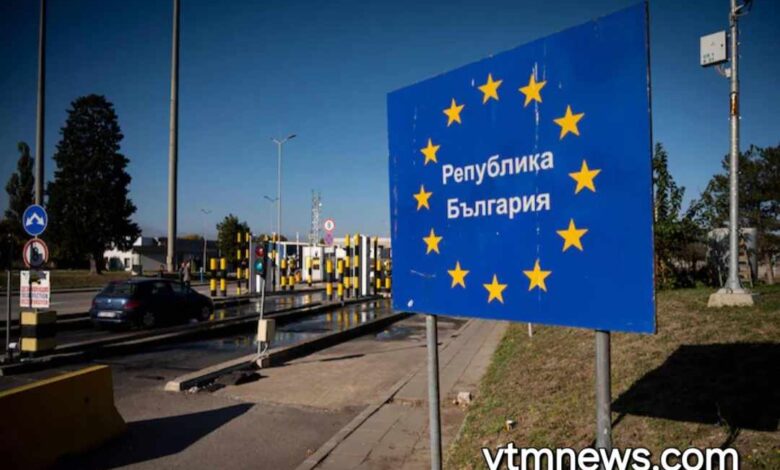
Starting January 1, 2025, travelers between Bulgaria, Romania, and the Schengen Area were able to cross internal borders without routine border checks. The decision followed approval by EU member states, completing the two countries’ accession to the passport-free travel zone.
Air and Sea Travel Became Easier in March
Since the end of March 2024, travelers entering Bulgaria and Romania by air or sea have been able to travel without routine internal Schengen border checks. Land border checks remained in place until the end of 2024 because of concerns raised by Austria.
On Thursday, December 12, 2024, EU interior ministers agreed to remove the remaining land border checks from January 1, 2025. Hungarian Interior Minister Sándor Pintér described the decision as beneficial not only for Bulgaria and Romania but also for the European Union as a whole. Hungary held the rotating presidency of the Council of the EU at the time.
Schengen Area: A Zone of 29 Countries
With Bulgaria and Romania fully joining, the Schengen Area expanded to 29 countries. It includes 25 of the 27 EU member states, along with Iceland, Liechtenstein, Norway, and Switzerland.
Cyprus and Ireland remain outside the Schengen Area. Ireland maintains its own common travel arrangements, while Cyprus has not yet removed internal border checks.
Border Checks Still Affect Travel in Schengen
Although the Schengen Area allows passport-free travel across most internal borders, temporary border checks can still be introduced under specific conditions.
Germany, the Netherlands, and France have all used temporary internal border controls at various times. These measures are permitted under Schengen rules in certain circumstances, including specific security concerns.
Why Bulgaria and Romania’s Schengen Membership Matters?
The full accession of Bulgaria and Romania marked a significant change for European travel. Removing routine land border checks makes journeys between these countries and the rest of the Schengen Area easier and can reduce delays for travelers and transport operators.
The change also strengthens their integration into the European travel zone, supporting closer connections between people, businesses, and communities across Europe.