
Former Belgian Asylum and Migration Minister Theo Francken Questioned
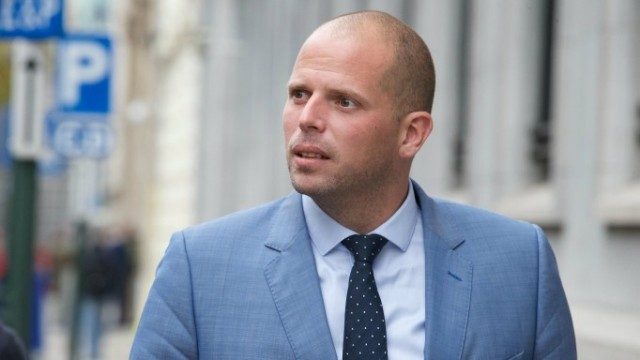
Former Belgian Secretary of State for Asylum and Migration Theo Francken was questioned by authorities in Brussels as part of an investigation into the controversial humanitarian visa scandal that emerged in Belgium in 2019, a case that focused on allegations that humanitarian visas were obtained for vulnerable Syrian and Iraqi Christians through a system involving Melikan Kucam, a former N-VA city councillor in Mechelen.
Francken, who was responsible for asylum and migration policy at the time, confirmed that he had been invited to appear before the authorities and said that he had accepted the invitation. Speaking to VTM, Francken said he wanted to provide full transparency about the case but could not give further concrete details because of the public interest involved.
The Humanitarian Visa Scandal
The investigation centered on the way humanitarian visas were issued to people from Syria and Iraq, particularly members of the Assyrian Christian community who were living in areas affected by conflict and persecution. Kucam had acted as an intermediary between the community and Francken’s office and was involved in providing lists of people who could be considered for humanitarian visas.
Belgian authorities later confirmed that around 200 people had obtained humanitarian visas through the system connected to Kucam, while later investigations identified a total of 246 Eastern Christians who had entered Belgium through the humanitarian visa operation. According to prosecutors, Kucam allegedly asked some applicants for thousands of euros in exchange for helping them obtain a visa.
The amounts reported in the investigation were far higher than the normal administrative cost of a humanitarian visa, which was around 350 euro. Investigators said Kucam had received payments ranging from roughly 2,000 to 10,000 euro in a number of cases, while some reports mentioned even higher amounts. Kucam denied that he had sold humanitarian visas.
Francken’s Role
The case also raised questions about Francken’s political responsibility because Kucam had been involved as an intermediary while Francken was responsible for asylum and migration policy. During parliamentary hearings, Francken defended his policy and said that he had never personally received evidence proving that money was being demanded from people in exchange for humanitarian visas.
Francken also said that he had heard rumors about possible abuses and that, when those allegations reached him, he directed people to the police. The Belgian parliamentary record shows that Francken said he wanted the justice system to investigate the allegations fully.
The investigation subsequently became a major political and legal controversy in Belgium, with questions raised about how names were selected for humanitarian visas and how much control intermediaries had over the process. The Immigration Office told a parliamentary committee in 2019 that it carried out security checks on people whose names appeared on the lists, but said questions about who was placed on those lists and how the lists were created had to be addressed to the former secretary of state.
What Happened to Melikan Kucam?
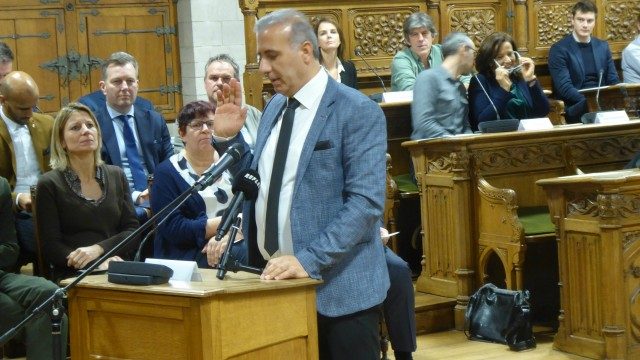
Melikan Kucam was arrested in January 2019 after an investigation into suspected irregularities surrounding humanitarian visas. Prosecutors accused him of using his position as an intermediary to receive money from people seeking to come to Belgium from conflict zones, while Kucam denied receiving money in exchange for visas.
The case eventually went to court, and in January 2021 a court in Antwerp sentenced Kucam to eight years in prison for human trafficking and passive corruption. The court found that he had asked people for substantial sums of money in exchange for his role in helping them obtain humanitarian visas, with reported payments ranging from 2,150 to 7,500 euro, while the normal administrative cost was 350 euro.
The scandal became one of Belgium’s most controversial cases involving humanitarian visas and led to broader questions about transparency, the role of political intermediaries and the safeguards used when Belgium grants humanitarian visas to people fleeing conflict and persecution.