
Brussels Reaches 2027 Budget Deal: What We Know
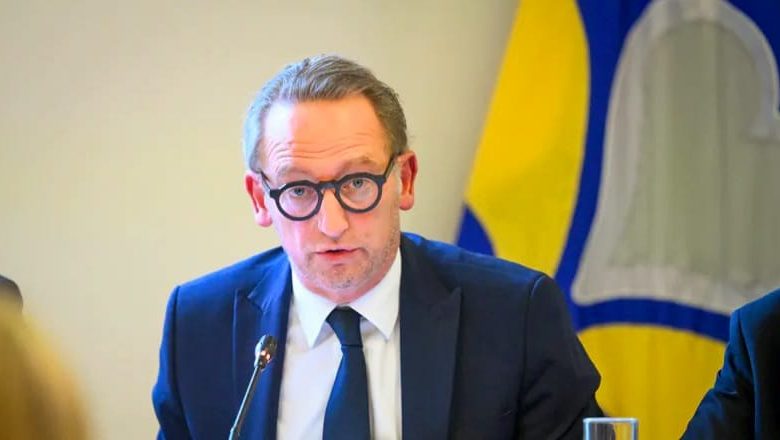
The Brussels government has reached an agreement on the region’s 2027 budget after two difficult days of negotiations.
The plan aims to reduce the Brussels Region’s budget deficit by 719 million euro in 2027. Government leaders say the long-term goal is to bring the budget back into balance by 2029.
Brussels Minister-President Boris Dilliès said the government will focus on reducing spending inside the public sector rather than introducing broad tax increases for residents.
Here is what we know so far.
Public sector spending will be cut
One of the main parts of the plan is to reduce government spending and gradually shrink the public workforce.
Open positions will no longer automatically be filled when employees leave. The government also plans to move workers between departments when needed and continue restructuring public agencies by combining some services.
The government says these changes are designed to reduce costs without putting a general tax increase on Brussels residents.
Changes to vehicle taxes
The annual vehicle tax will also be changed. Starting in the second half of 2027, drivers of small city cars and zero-emission vehicles are expected to receive an exemption from the annual tax.
The government also plans to reduce the additional personal income tax rate by 1 percentage point.
At the same time, the BeHome tax benefit will be doubled. The measure is designed to help offset the higher property tax paid by eligible homeowners.
No planned public transit fare increase
The Brussels government also decided not to go ahead with a planned increase in public transportation fares.
The decision affects STIB, the Brussels public transit operator. Officials said lower-than-expected revenue will be partly offset by cuts to operating expenses.
That means passengers will not face the planned fare increase under the current 2027 budget agreement.
More money for housing and homelessness
Housing remains another major part of the budget. The agreement includes 104 million euro through Citydev.brussels to help build more than 1,000 regulated homes.
Rent assistance will remain in place, while 131 million euro will be used to recapitalize the Brussels Housing Corporation.
The region will also provide 1.8 million euro to help homeless families through Samusocial.
Extra funding for health and social programs
The budget also includes additional spending on several social programs. More than 1 million euro will be allocated to prevention programs, including cancer screening and measures to deal with extreme heat.
Another 6.3 million euro will go toward addiction prevention.
The government also plans to increase funding to fight early school leaving by 5 million euro, with an additional 1 million euro per year coming through the French Community Commission.
Brussels municipalities and local public social welfare offices will receive about 15 million euro in additional funding in 2027.
Child benefits and service vouchers will not be cut
The government says there will be no change to the price of service vouchers, which are widely used in Belgium to pay for household help.
Child benefits will also remain unchanged under the agreement.
What happens next?
The agreement is an important step for the Brussels government, but the details still have to go through the Brussels Parliament.
The government will present its 2027 budget plans to lawmakers before the final budget process moves forward.
For Brussels residents, the main message is that the government wants to make deep savings while avoiding a broad tax increase. At the same time, it plans to continue funding housing, social services and other key programs.
The bigger challenge will be whether Brussels can reduce its deficit by hundreds of millions of euro while maintaining essential public services.