Dutch in French-Speaking Schools in Belgium: What Changes?
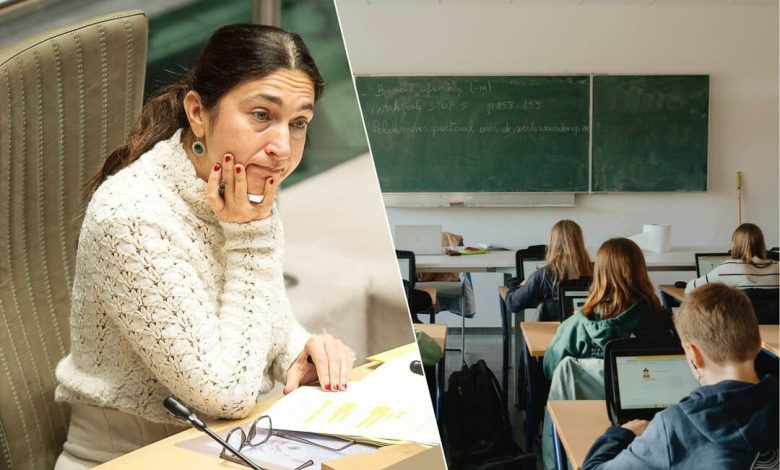
Students in French-speaking schools in Belgium could soon have to learn an additional language under a proposed education reform. The plan would expand language requirements in secondary schools and could pave the way for more students to learn Dutch from an earlier age.
Education Minister Valérie Glatigny is behind the proposal, which aims to strengthen students’ knowledge of Belgium’s national languages. According to Belgian media reports, the reform is expected to be discussed by the French Community government on October 23, 2026.
What Would Change for Students?
Under the proposed rules, students would have to study two modern languages starting in their second year of secondary school. At least one would need to be another Belgian national language.
Students who already study English would continue learning it and add Dutch or German. Those who already study Dutch could choose English or German as their additional language.
The change would bring forward the introduction of a second modern language by one year compared with the original timetable under the Excellence Education Pact.
Will Dutch Become Mandatory in Every French-Speaking School?
Not immediately. Under the secondary-school proposal, German would remain an alternative to Dutch, so students would not necessarily have to learn Dutch specifically.
However, a broader language policy could bring further changes. The French Community government’s 2024–2029 policy declaration sets out plans to explore making a second national language, Dutch or German, compulsory across parts of the French-speaking education system. The government has also highlighted the need to attract more qualified language teachers.
A separate proposal described in Belgian media aims to introduce compulsory Dutch in the third year of primary school from 2029. The exact scope and implementation of this measure still need to be clarified.
Why Does This Matter?
Belgium has three official languages: Dutch, French and German. Yet the language students learn at school depends partly on where they live and the education rules that apply to their school.
Stronger language skills could help students communicate across the country’s linguistic communities and improve their opportunities in the job market. Dutch can be particularly useful for French-speaking residents seeking work in Flanders or Brussels.
When Could the Changes Begin?
The immediate question is whether the government will approve the proposed secondary-school reform and confirm its implementation timetable.
For now, families should not assume that Dutch will become mandatory for every student in French-speaking schools. The proposal still needs official confirmation, and German would remain an option under the plan described in the current reporting.
Belgium Brief will follow the government’s decision and update readers when the final requirements and start dates are confirmed.