
VDAB Explains Belgium’s New Unemployment Rules
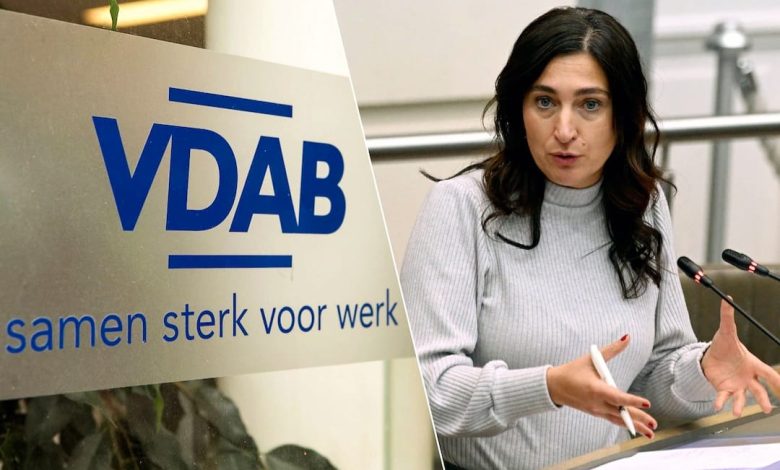
Belgium has introduced major changes to its unemployment system, with benefits now limited in time for many job seekers.
The new rules took effect on March 1, 2026, as part of a wider reform of unemployment benefits. Under the new system, regular unemployment benefits can generally be paid for a maximum of 24 months. This includes a basic period of 12 months, with the possibility of up to 12 additional months depending on a person’s work history.
Job seekers who receive unemployment benefits after completing their studies are also affected. Their integration benefits, known as inschakelingsuitkeringen, are now limited to a maximum of one year.
The changes are being introduced gradually, meaning not everyone who is unemployed will lose their benefits at the same time.
VDAB prepares for the changes
In Flanders, VDAB is playing an important role in helping people affected by the new rules return to work.
The Flemish employment service has been preparing for the reform by reviewing its services and working with other authorities. One of the main challenges is identifying which people are affected and when their unemployment benefits will end.
VDAB needs information from the federal employment office, RVA, to determine the situation of individual job seekers. The two organizations have been working together on the exchange of information and communication with people affected by the reform.
VDAB is also preparing additional support for people who may need help finding a new job.
This includes stronger local support, job fairs, additional help from employment counselors and more opportunities to learn Dutch.
The goal is to help people move into work before their unemployment benefits end.

Who is affected by the new rules?
The reform does not affect everyone in exactly the same way.
For people who apply for unemployment benefits under the new rules, the maximum period is generally 24 months. How long someone can receive benefits beyond the initial 12-month period depends largely on their professional history.
People who received benefits before March 1, 2026 are covered by transitional rules. Their benefits are ending in different stages, depending on how long they have been unemployed, their work history and the type of benefit they receive.
The first groups affected began losing their entitlement on January 1, 2026. Another group reached the end of its entitlement on March 1, 2026.
The transition is continuing in several waves, with some people able to receive benefits until later dates depending on their individual situation.
Some exceptions also apply
There are exceptions to the new time limits.
For example, certain workers aged 55 or older who have a sufficient career history can remain outside the new limitation. Other exceptions apply to specific groups, including certain recognized port workers, fishermen and people receiving certain special benefits.
There can also be situations in which the end date of benefits is extended.
Because the rules are complicated, the exact end date depends on each person’s circumstances. The RVA has been sending personal notifications to people affected by the reform, including through eBox and by post.
What happens when unemployment benefits end?
One of the main concerns surrounding the reform is what happens to people after their unemployment benefits stop.
Some job seekers may need financial assistance from their local public welfare office, known as the OCMW in Flanders.
This is why VDAB is also working with local authorities. The aim is to make sure people who lose their unemployment benefits can receive information about their options while continuing their search for work.
For many people, finding a job before their benefits end will become increasingly important.
More support for job seekers
VDAB says it is increasing its efforts to help people who have been unemployed for a long time.
Local job fairs can give job seekers more direct contact with employers, while employment counselors can provide individual guidance during the job search.
Language support is another important part of the strategy. For people who have difficulty speaking Dutch, additional language training can make it easier to apply for jobs and communicate with employers.
These services are especially important for people who have been outside the labor market for a long period.
A major change for unemployed people in Belgium
The reform represents one of the biggest changes to Belgium’s unemployment system in years.
The government says limiting unemployment benefits will encourage people to return to work, while employment services such as VDAB are expected to provide more support to help job seekers make that transition.
For unemployed people, however, the changes also mean that it is more important than ever to understand how long their benefits will last and what support is available.
The exact rules can vary from one person to another. Anyone affected by the reform should therefore check their personal information from the RVA and contact VDAB or the relevant employment service for advice.
The new system is already in effect, and the transition to the new rules will continue to affect different groups of job seekers over the coming months.