Belgian Banks Check IBAN Names to Prevent Fraud
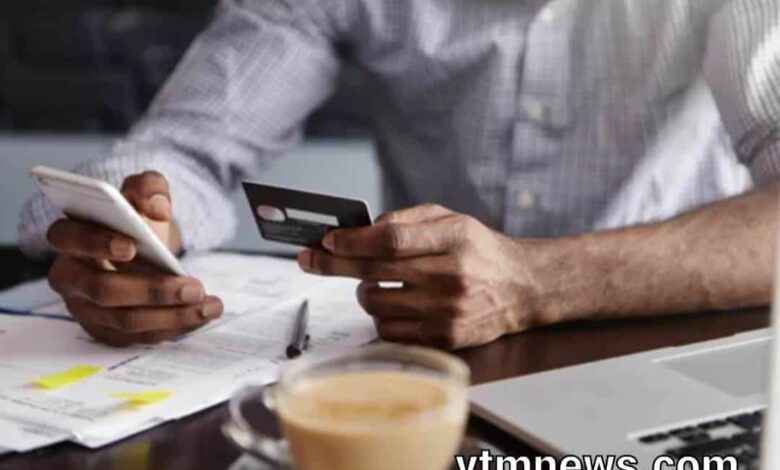
Belgian banks check whether a bank account number matches the beneficiary’s name when customers make euro transfers. The system is designed to prevent payment mistakes and protect consumers and businesses from invoice fraud.
The verification system, known as Verification of Payee, was introduced gradually by Belgian banks in 2025. Since October 9, 2025, banks across the eurozone have been required to provide this check for eligible euro credit transfers under European Union rules.
How Does the IBAN Name Check Work?
When you make a bank transfer, your bank checks whether the beneficiary’s name matches the name registered with the bank holding the account.
If the details do not match, or the names only partially match, you may receive a warning before completing the payment. You can then review the information and decide whether to proceed, correct the details or cancel the transfer.
The check is free of charge and generally happens automatically when you enter the beneficiary’s name and account number.
How the System Helps Prevent Invoice Fraud
Invoice fraud is a serious concern for people and businesses in Belgium. Criminals sometimes alter genuine invoices by replacing the original bank account number with one they control.
For example, you might receive what appears to be a legitimate electricity or water bill. The invoice may contain the correct company name and payment amount, but the bank account details have been changed.
If you pay the invoice without noticing the alteration, your money could end up in the fraudster’s account instead of reaching the utility company.
The IBAN name check adds an extra layer of protection by warning you when the account number and beneficiary’s name do not match.
However, the system cannot guarantee that every payment is safe. Fraudsters may still find ways to deceive customers, so it is important to check unexpected changes to payment details carefully.
What Should You Do If Your Bank Shows a Warning?
If your bank tells you that the beneficiary’s name does not match the account number, do not ignore the warning.
Follow these steps before making the payment:
- Check the beneficiary’s name and IBAN against the original invoice or trusted payment information.
- Contact the company using a phone number or contact details from its official website.
- Be particularly careful if a supplier or utility company suddenly announces a new bank account number.
- Do not complete the transfer until you have established that the payment details are correct.
If you suspect that an invoice has been altered, contact your bank immediately and report the suspected fraud.
Does the Check Apply to All Bank Transfers?
The verification applies to eligible euro transfers within the eurozone, including domestic transfers in Belgium and transfers to other eurozone countries.
The check is designed to help customers identify incorrect beneficiary details before sending money. It can also help detect ordinary typing mistakes that could otherwise send money to the wrong account.
However, the verification does not apply to every type of payment. Card payments and direct debits, for example, generally fall outside this system. Some transfers may also be exempt depending on how they are initiated.
Why the Beneficiary’s Name Matters?
One challenge with the system is the variety of ways names can be written. A person might use a shortened first name, while a business could operate under a trading name that differs from its registered legal name.
Banks therefore need to account for legitimate differences to reduce unnecessary warnings.
Businesses should also ensure that their registered names and payment information are accurate and consistent across their invoices and banking records.
A New Layer of Protection for Customers in Belgium
The IBAN name check is an important step in the fight against payment fraud. It gives customers an opportunity to spot suspicious account details before money leaves their account.
Nevertheless, a warning does not automatically prove that fraud has occurred, and a successful match does not guarantee that a payment is safe. Customers should always remain alert, especially when paying unexpected invoices or receiving requests to change bank details.
For people living in Belgium, the main message is simple: always verify unexpected changes to bank details, even when an invoice looks genuine.